
Magnesium glycinate has become one of the most widely recommended forms of supplemental magnesium, valued for its gentleness, high absorption rate, and broad impact on human physiology. Understanding why this form of magnesium is used as a supplement requires looking at both the essential role magnesium plays in the body and the unique advantages of binding it to the amino acid glycine. Magnesium itself is involved in more than three hundred biochemical reactions, including energy production, protein synthesis, nerve transmission, muscle contraction, stress regulation and blood-sugar balance. Because modern diets often lack sufficient magnesium—due to depleted soil, high-processing of foods, and widespread consumption of refined grains and sugars—many people experience symptoms of insufficiency without realising it. These symptoms can range from fatigue, irritability and poor sleep to muscle tension, headaches, irregular heart rhythms and impaired stress tolerance. Supplementing magnesium is therefore a way to restore optimal physiological function, and magnesium glycinate is used because it tends to deliver magnesium in a form the body can absorb and tolerate well.
One of the central reasons magnesium glycinate is preferred is its bioavailability. When magnesium is paired with glycine, a small, neutral amino acid, the resulting compound is chelated—meaning the magnesium is attached in a way that protects it from reacting with other compounds in the digestive tract. This chelation encourages the body to absorb magnesium more efficiently via amino-acid transport pathways rather than typical mineral-absorption channels, which can be easily disrupted by other nutrients. Many other forms of magnesium, especially magnesium oxide, are poorly absorbed, with only a fraction of the elemental magnesium reaching circulation. Glycinate’s superior absorption makes it ideal for supporting long-term magnesium status without requiring high doses that could irritate the digestive system.
Digestive comfort is another major factor in its popularity. Certain forms of magnesium, particularly citrate and oxide, have an osmotic effect that draws water into the intestines and produces a laxative effect. While this can be useful in some contexts, it is often undesirable for people who simply want the neurological, muscular or sleep-related benefits of magnesium. Magnesium glycinate is considered one of the gentlest forms because glycine helps buffer the magnesium, significantly reducing the likelihood of loose stools or stomach upset. This makes it suitable for individuals with sensitive digestive systems, older adults, and anyone wanting consistent daily magnesium intake without gastrointestinal side effects.
The relationship between magnesium glycinate and the nervous system is another reason this supplement is so widely used. Magnesium plays a crucial role in regulating excitatory neurotransmission by acting as a natural antagonist to NMDA receptors, which, when overstimulated, contribute to anxiety, stress and neuronal overactivity. At the same time, magnesium supports GABAergic pathways—the body’s primary inhibitory and calming mechanisms. Because glycine itself is also a calming amino acid that acts as a co-agonist at certain neurotransmitter receptors, magnesium glycinate can have a synergistic effect on promoting relaxation. This makes it a common supplement for individuals struggling with stress, anxious feelings, tension headaches or an overactive mind.
Sleep quality is another area where magnesium glycinate is valued. Modern lifestyles often overstimulate the nervous system, suppress melatonin production and cause cumulative magnesium loss through chronic stress. Magnesium is necessary for melatonin synthesis and supports the parasympathetic nervous system, which facilitates rest and recovery. Glycine also promotes deeper, more restorative sleep by lowering core body temperature and influencing sleep architecture. Many people take magnesium glycinate in the evening because it helps ease muscular tightness, calm mental chatter and improve sleep onset without causing next-day drowsiness. Unlike sedatives, it works by restoring physiological balance rather than forcing the body into sleep.
Magnesium glycinate is also used to support muscle function and recovery. Magnesium is required for proper muscle contraction and relaxation, and deficiencies often manifest as cramps, spasms or tightness. Athletes, people who exercise regularly, or those who spend long hours at desks frequently experience muscular discomfort exacerbated by marginal magnesium status. Supplementation can help restore electrolyte balance, reduce post-exercise soreness and improve neuromuscular coordination. The glycine component supports collagen production and tissue repair, providing an additional benefit for muscle recovery and connective-tissue health.
Another major reason for supplementation is the role of magnesium in metabolic health. Magnesium helps regulate insulin sensitivity and glucose metabolism, influencing how the body handles carbohydrates and energy storage. Individuals with insulin resistance, metabolic syndrome or type 2 diabetes tend to have lower magnesium levels, partly because higher blood sugar leads to increased magnesium loss in urine. By improving magnesium status, supplementation may support more stable blood sugar levels, better energy utilisation and reduced fatigue. Magnesium glycinate, with its excellent absorption and minimal digestive stress, is often preferred for long-term metabolic support.
Cardiovascular health also benefits from adequate magnesium intake. Magnesium helps maintain healthy blood pressure by relaxing vascular smooth muscle, supporting endothelial function and balancing electrolytes such as calcium and potassium. Chronic stress and poor dietary intake can contribute to blood-pressure elevation and heart-rhythm disturbances—both of which are influenced by magnesium deficiency. Since magnesium glycinate does not cause diarrhea at moderate doses, it allows for consistent magnesium replenishment, which is essential for cardiovascular stability. Glycine, meanwhile, has been associated with improved endothelial function and reduced inflammation, making the glycinate form doubly relevant for heart health.
Hormonal balance is another area where magnesium glycinate plays a role. Many women use magnesium glycinate to support PMS symptoms such as mood swings, cramps, headaches and sleep disturbances. Magnesium is necessary for healthy progesterone production and helps ease uterine muscle contractions. It also regulates stress hormones like cortisol, which can become dysregulated during the menstrual cycle. Because glycine influences neurotransmitters tied to mood and pain regulation, the combination often provides broader relief than magnesium alone.
Cognitive function and mental clarity are increasingly emphasised in discussions about magnesium supplementation. Magnesium contributes to synaptic plasticity, learning, memory and protection against neuroinflammation. Stress, poor diet and lack of sleep can deplete magnesium stores, impairing cognitive performance. Magnesium glycinate supports mental performance by restoring mineral balance while glycine contributes to neurotransmitter modulation. Though it is not a stimulant, many users report clearer thinking, reduced brain fog and improved emotional stability.
Finally, magnesium glycinate is used because it is generally safe, well-tolerated and suitable for long-term supplementation. Unlike some forms that must be cycled or taken carefully to avoid digestive distress, magnesium glycinate can be taken daily by most individuals at typical doses ranging from 200 to 400 milligrams of elemental magnesium. Its compatibility with most medications and its low side-effect profile make it appealing for a broad range of people seeking better sleep, stress management, muscle recovery or general wellness.
In summary, magnesium glycinate is a supplement because it effectively addresses widespread magnesium insufficiency in a form that the body can absorb and tolerate exceptionally well. Its unique combination of high bioavailability, digestive gentleness and synergistic calming effects from glycine makes it particularly useful for supporting sleep, stress response, muscle function, metabolic health, cardiovascular balance and cognitive wellbeing. As modern diets and lifestyles continue to challenge the body’s mineral status, magnesium glycinate stands out as a reliable and physiologically friendly way to restore one of the body’s most essential nutrients.
Products
Here are some of the brands most frequently cited and recommended for magnesium glycinate supplements — especially if you want good absorption, clean ingredients, and minimal digestive side-effects. I’ve included a few that tend to stand out in reviews, quality rankings, or expert recommendations.
Some of the Best Magnesium Glycinate Brands
-
Pure Encapsulations — Often ranked as one of the top overall choices for magnesium glycinate. Their glycinate supplement is widely praised for bioavailability, clean ingredients, and third-party testing, making it a solid pick when you simply want effective magnesium supplementation.
-
Heights — A UK-based brand that emphasises magnesium glycinate for sleep and relaxation. Their formulation reportedly delivers a good dose per serving and is free from magnesium types that tend to cause digestive issues.
-
MAGSUPPS — Known for offering magnesium glycinate (and sometimes magnesium blends) in high-absorption, “non-buffered” forms, and manufacturing under quality standards. They claim clean formulations without unnecessary additives — useful if you’re sensitive about fillers or want a straightforward glycinate supplement.
-
VitaBright — Recognised in some UK reviews as offering good quality magnesium glycinate tablets; sometimes rated highly for value and being gentle on the stomach.
-
Nature Made — While perhaps a more basic/prescription-style option compared to premium “practitioner” brands, their glycinate-based supplement is often recommended for people seeking a dependable, no-frills magnesium source
-
Nutritional Geeks – A very well recognised brand with an 1800mg supplement.
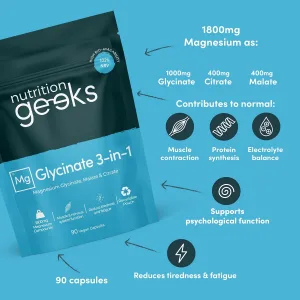
What Makes These Stand Out
What tends to make these brands among the “best”:
-
Chelated, glycinate (or bis-glycinate) magnesium — This form generally has better absorption and fewer digestive issues than forms like oxide or citrate.
-
Clean formulations — Minimal fillers, binders, or unnecessary additives. This is important for purity and overall tolerance.
-
Third-party testing / quality standards — Especially for supplement safety, potency, and batch consistency. Brands like Pure Encapsulations and MAGSUPPS emphasise these standards.
-
Good value and transparency — Especially useful for people taking magnesium regularly rather than occasionally.
What to Watch Out For
-
Some magnesium supplements on the market mix glycinate with lower-quality forms (e.g. oxide) to cut cost, which may reduce overall absorbability.
-
Always check the elemental magnesium content rather than just the total compound weight — otherwise you may end up getting less usable magnesium than you expect.
-
If you have a sensitive digestive system, avoid magnesium products that list aggressive absorption forms (like citrate or oxide) or include lots of additives.
-
For consistency and long-term benefits (sleep support, stress, muscle recovery), it’s often better to pick a brand with transparent testing and quality control.




Leave a Reply