
Teichoic acids
Teichoic acids (TA) are anionic polymers found in Gram-positive bacteria cell walls and are made of polyglycerol (polyol) phosphate units of approximately 20 to 30 […]
Teichoic acids (TA) are anionic polymers found in Gram-positive bacteria cell walls and are made of polyglycerol (polyol) phosphate units of approximately 20 to 30 […]
Cellular metabolism encompasses the highly orchestrated networks of biochemical reactions that sustain life by enabling cells to derive energy from nutrients, construct macromolecules, and maintain […]
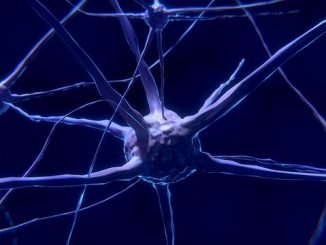
Neurodegenerative disease is a growing issue throughout the world. It is a collective term for a group of conditions that affect the neurones of the […]
Translation is the process by which messenger RNA (mRNA) is decoded to synthesize proteins. It occurs in the ribosomes, which are complex cellular structures responsible […]

Cytokines are cell signaling molecules that help with cell to cell communication in immune responses. They stimulate the movement of cells towards sites of inflammation, […]
Scaffold proteins are a class of proteins that play a crucial role in organizing and regulating cellular processes by providing a structural framework for protein-protein […]
Kaempferol (3,5,7-trihydroxy-2-(4-hydroxyphenyl)-4H-1-benzopyran-4-one) is an important natural flavonol. It is one of those compounds in the family of flavonoids which is sourced from fruits and vegetables […]
The mevalonate pathway, also known as the MVA pathway, is a fundamental metabolic route that plays a central role in the biosynthesis of isoprenoids. Isoprenoids […]
Acetylcholine (ACh) is a neurotransmitter that plays a fundamental role in the nervous system, influencing a wide array of physiological processes. Its significance extends beyond […]
Stem cells are extremely special in biology. They are characterized by having an ability to divide indefinitely and they can give rise to specialized cells […]

G Protein-Coupled Receptors (GPCRs), often referred to as seven-transmembrane receptors due to their characteristic structure, constitute the largest and most diverse families of cell surface […]
Dental enamel, the outermost layer of the tooth, is a remarkable tissue that plays a crucial role in protecting teeth from various external factors, such […]
Peptidoglycan is the essential cell wall material found mostly in Gram-positive bacteria. It is a linear glycan (carbohydrate) backbone cross-linked by peptide stems. This material […]
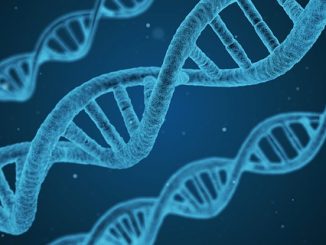
Messenger RNA (mRNA) translation in eukaryotes is a complex process that occurs in the cytoplasm and involves several stages and molecular components. Transcription and mRNA […]
mRNA (messenger RNA) and tRNA (transfer RNA) are two types of RNA molecules involved in different stages of protein synthesis. Here are the key differences […]
Inflammation is the intricate physiological process underlying the body’s defence mechanism against foreign substances like toxins and infectious agents such as microbes, and the repair […]
Myoglobin is a protein found in muscle tissues of animals, including humans and poultry like chicken. It plays a crucial role in facilitating oxygen transport […]
The structure of muscle represents one of the most intricate and fascinating designs in biology, a system carefully evolved to allow organisms to move, manipulate […]
N-acetyltyrosine is a non-essential amino acid found in chicken, soy products and nuts which is synthesised from phenylalanine. A few studies using healthy volunteers, as well as […]
The Pribnow box, also known as the -10 element, is a DNA sequence that plays a crucial role in the initiation of transcription in prokaryotes. […]
Copyright © 2026 | WordPress Theme by MH Themes