
The Pribnow Box in Biotechnology
The Pribnow box, also known as the -10 element, is a DNA sequence that plays a crucial role in the initiation of transcription in prokaryotes. […]
The Pribnow box, also known as the -10 element, is a DNA sequence that plays a crucial role in the initiation of transcription in prokaryotes. […]
Adenosine triphosphate (ATP) is often referred to as the “energy currency” of the cell. This is because ATP functions as a central molecule for storing […]
Foams are fascinating food structures which appear in all aspects of the culinary arts. They are critical features of beer heads, meringues, coffee crema, angel […]
RNA polymerase is an enzyme responsible for synthesizing RNA molecules from a DNA template during the process of transcription. It plays a crucial role in […]
Cucumbers are complex in their flavour. The flavour of this fruit is characterised by just 30 volatile compounds. All these volatiles are either six-carbon or […]
Bacterial conjugation is a fascinating and intricate process that allows bacteria to transfer genetic material between individual cells, facilitating the exchange of valuable traits such […]
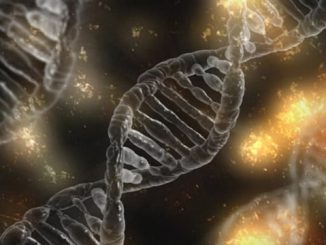
DNA (Deoxyribonucleic acid) is a molecule which is fundamental to life. For a start it is the code that determines the structure and nature of […]
DNA replication is one of the key fundamental processes of biology. It is the way cells are able to replicate their coding. The DNA polymerases […]
![DNA. Nucleic acid purification. Okazaki fragments. PCR (digital PCR [dPCR], multiplex digital PCR, qPCR), DNA Repair, DNA Replication in Eukaryotes, DNA replication in prokaryotes, DNA barcoding](https://foodwrite.co.uk/wp-content/uploads/2016/11/dna-geralt-pixaby-03539309_640-326x245.jpg)
Okazaki fragments are short sequences of DNA nucleotides that are synthesized discontinuously. They are formed during the process of duplication of DNA. The other strand […]
5′-capping, also known as mRNA capping, is a post-transcriptional modification that occurs in the early stages of mRNA processing in eukaryotic cells. It involves the […]
Gaucher’s disease is a rare genetic disorder characterized by the deficiency or malfunction of an enzyme called glucocerebrosidase (GBA). This enzyme is responsible for breaking […]
Inborn errors of metabolism, also known as inborn errors of metabolism (IEMs) or congenital metabolic disorders, are a group of genetic disorders that affect the […]
Crossing over, also known as recombination, is a genetic process that occurs during meiosis, specifically in prophase I of meiosis I. It involves the exchange […]
Mitosis is a process of cell division that occurs in eukaryotic cells to produce two identical daughter cells with the same number of chromosomes as […]
Chromosomes are structures found in the nucleus of cells that carry genetic information in the form of DNA (deoxyribonucleic acid). The chemical composition of a […]
Fluorescence spectroscopy has long occupied a central position in the toolkit of biophysical research. Its capacity to reveal information about molecular structure, interactions, and dynamics […]
BHK-21 refers to a cell line derived from the kidney cells of the baby hamster (Mesocricetus auratus). BHK-21 stands for Baby Hamster Kidney-21. It is […]
Vision is the dominant sense for many animals, and its molecular foundations have fascinated biologists, chemists, and physicists alike. The vertebrate retina provides an especially […]

Ion-exchange chromatography involves the separation of molecules such as proteins based on their charge profile. It is often defined by process engineering texts as the […]
Copyright © 2026 | WordPress Theme by MH Themes