
What are Ribosomes?
Ribosomes are key to protein synthesis in the cell whether it be a prokaryote or eukaryote. Ribosomes were first observed in 1953 by the Romanian […]
Ribosomes are key to protein synthesis in the cell whether it be a prokaryote or eukaryote. Ribosomes were first observed in 1953 by the Romanian […]
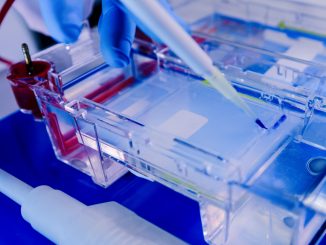
Electrophoresis is one of the key analytical tools available to the biochemist and food scientist for separating and identifying proteins and nucleic acids. We often […]
Inositol-requiring enzyme 1 (IRE1) is an endoplasmic reticulum (ER) transmembrane protein that plays a crucial role in the unfolded protein response (UPR) pathway. It is […]
Nucleoside phosphorylases (NPs) are enzymes that play a crucial role in the synthesis and in vivo salvage of nucleosides by catalyzing the reversible phosphorolysis of […]
The in vivo salvage pathway of nucleosides plays a crucial role in maintaining cellular nucleotide pools and ensuring efficient DNA and RNA synthesis. This pathway […]
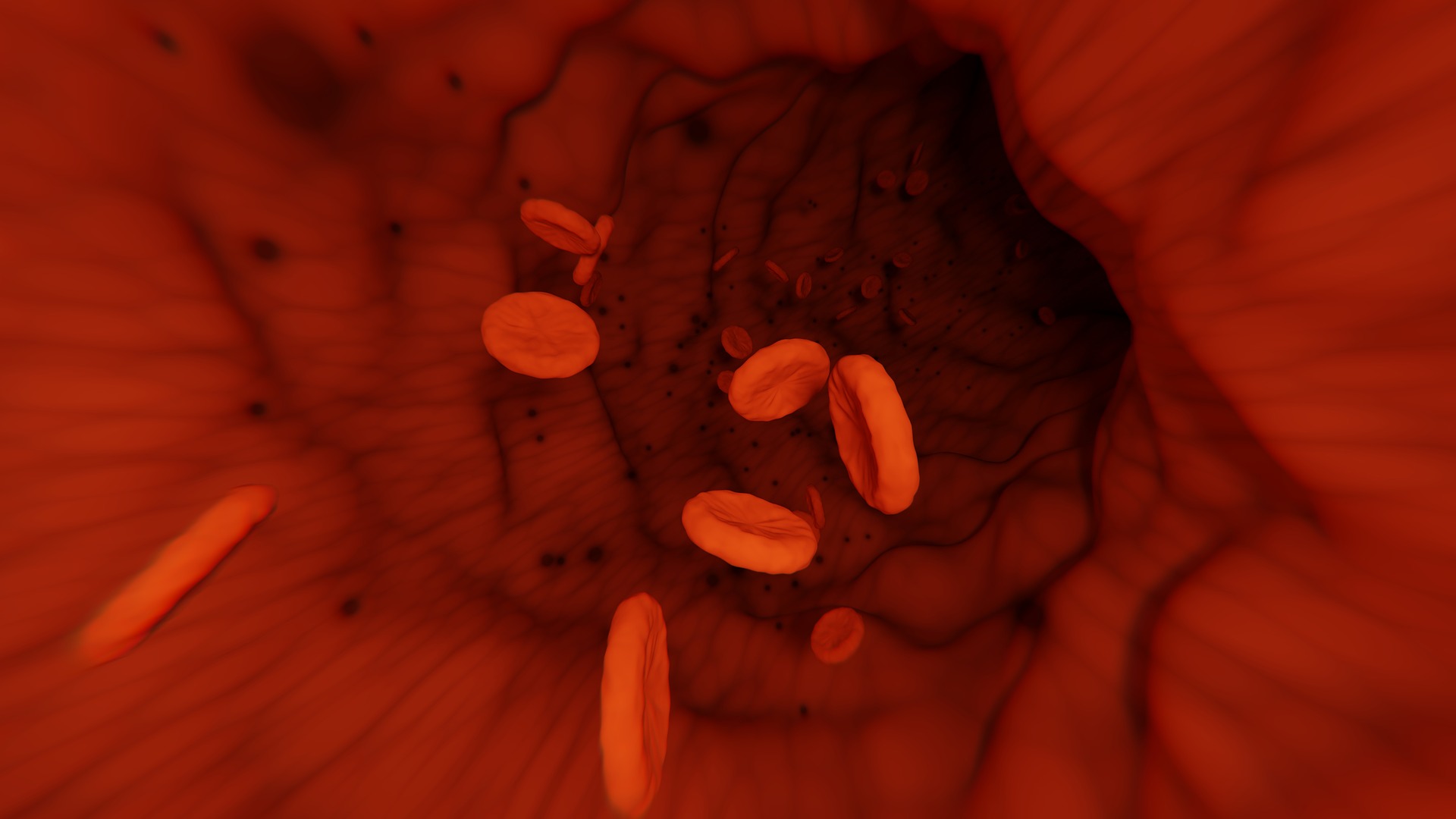
The fibrinolytic system is a crucial component of the hemostatic system that works to maintain blood fluidity and prevent excessive clot formation. It is responsible […]
The regulation of gene expression extends beyond DNA transcription, encompassing numerous post-transcriptional mechanisms that shape the fate of RNA molecules. Among these mechanisms, interactions between […]
The vertebrate immune system is a complex and highly orchestrated network of organs, cells, and molecules that collectively defend the body against infection and disease. […]
Photosynthesis is one of the most fundamental biological processes on Earth, serving as the primary mechanism through which light energy from the sun is converted […]
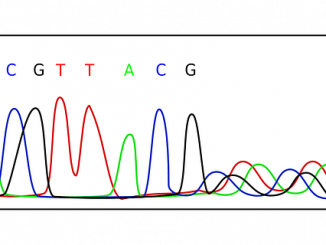
DNA Sequencing is one of the cornerstone technologies of biotechnology and bioprocessing. It is the method of working out the sequence of DNA with a […]
![DNA. Nucleic acid purification. Okazaki fragments. PCR (digital PCR [dPCR], multiplex digital PCR, qPCR), DNA Repair, DNA Replication in Eukaryotes, DNA replication in prokaryotes, DNA barcoding](https://foodwrite.co.uk/wp-content/uploads/2016/11/dna-geralt-pixaby-03539309_640-326x245.jpg)
Deoxyribonucleic acid (DNA) replication is a fundamental biological process that ensures the transmission of genetic information from one generation to the next. In eukaryotes, DNA […]
The lac operon in Escherichia coli (E. coli) is a well-known example of an inducible operon. Operons are functional units of DNA that consist of […]
Triacylglycerols (TAGs), commonly known as triglycerides, are a fundamental type of lipid molecule found abundantly in living organisms. Comprising three fatty acid chains esterified to […]
Glycans are one of the most versatile and dynamic classes of biomolecules in eukaryotic cells, serving as essential modulators of protein function, signaling pathways, and […]
Of the countless processes that sustain the intricate ballet of life within a eukaryotic cell, few are as fundamental, elegant, and meticulously choreographed as clathrin-mediated […]
The Death Receptor Signaling pathway is a fundamental mechanism in cellular biology, governing programmed cell death or apoptosis. This pathway is pivotal for regulating tissue […]
Addison’s disease, also known as primary adrenal insufficiency, is a rare but clinically significant endocrine disorder characterized by inadequate production of corticosteroids due to destruction […]
Behenic acid is a long-chain fatty acid that belongs to the group of saturated fatty acids. With the chemical formula C22H44O2, it is classified as […]
Universal Stress Proteins (USPs) represent a fascinating and evolutionarily conserved group of proteins found across a wide range of organisms, from bacteria to humans. These […]
Fibrinogen (Fib) and fibrin are key components of the blood clotting process, forming a critical part of the hemostatic system. They play crucial roles in […]
Copyright © 2026 | WordPress Theme by MH Themes