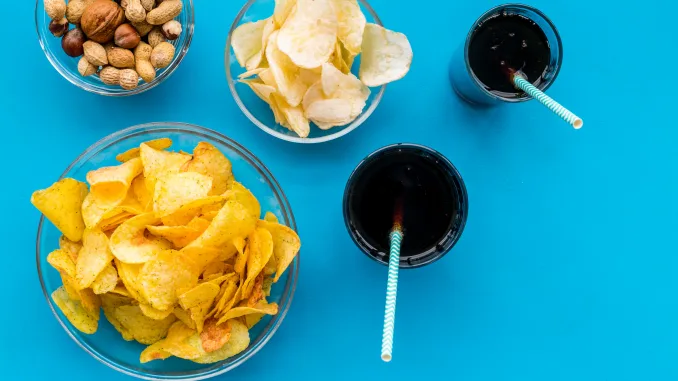
In recent years, the term “ultra-processed foods” (UPFs) has become a flashpoint in public health debates, with headlines, documentaries, and even policy proposals framing them as the chief culprit behind rising rates of obesity, diabetes, and chronic disease. The Nova classification system, first developed by Carlos Monteiro and colleagues in Brazil, defines UPFs as industrial formulations containing ingredients not typically used in home cooking—such as hydrolysed proteins, maltodextrins, colourings, emulsifiers, or flavour enhancers—and produced through multiple stages of mechanical and chemical processing. In public discourse, this label has come to carry strong negative connotations, implying that any food falling into the UPF category is inherently unhealthy, artificial, and morally suspect. However, this dichotomy between “natural” and “ultra-processed” oversimplifies a far more nuanced reality.
This article argues that UPFs are not, in themselves, “the enemy.” Rather, the demonisation of UPFs reflects a combination of sociocultural anxieties, misinterpretation of evidence, and the pitfalls of reductionist classification systems. We’ve looked at UPFs in the past because of the classification system. It now seems right to examine where we currently are with them.
When considered within a broader social, economic, and nutritional context, it becomes clear that UPFs can play beneficial, even essential, roles in modern diets. They offer safety, convenience, affordability, fortification, and inclusivity—particularly for populations facing food insecurity or time poverty. The problem lies not in processing per se, but in the misuse of such foods within environments that promote overconsumption and poor dietary diversity. The solution is not to stigmatise processing but to improve product formulation, strengthen food literacy, and create equitable food systems that enable healthier choices.
1. The Problem with the “Ultra-Processed” Label
The first issue in declaring UPFs as the enemy is the imprecise and value-laden nature of the term itself. The Nova system divides foods into four groups—unprocessed or minimally processed foods, processed culinary ingredients, processed foods, and ultra-processed foods—but the boundaries between these categories are often blurred. For example, wholegrain bread made industrially with emulsifiers is technically a UPF, as is fortified breakfast cereal, plant-based milk, or canned soup. Yet many of these products provide valuable nutrients, convenience, and safety.
Critics of the Nova classification point out that it conflates technological processes with nutritional outcomes. Processing is not synonymous with poor nutrition. Freezing, pasteurisation, and fermentation—all forms of processing—can preserve nutrients, extend shelf life, and prevent foodborne illness. Even “ultra-processing” can serve functional and nutritional purposes: emulsifiers allow for lower-fat formulations, and extrusion technologies can improve protein digestibility in cereals and legumes. Thus, to frame “processing” as inherently harmful is to ignore that all food consumed by humans, from bread to yoghurt, involves some degree of transformation.
Furthermore, UPF classification does not account for nutrient composition. A highly processed plant-based meat alternative may be lower in saturated fat and higher in fibre than an unprocessed beef burger; a fortified baby food may be more nutritionally balanced than home-made porridge. A black-and-white framework risks obscuring these distinctions, encouraging people to make choices based on ideology rather than evidence. The moralising language used in media discussions of UPFs—words like “toxic,” “fake,” or “chemical”—reflects a deep cultural bias toward “naturalness,” rather than a reasoned scientific assessment of risk and benefit.
2. Nutritional Quality Is Not Determined by Processing Alone
The nutritional quality of a food is determined by its composition, portion size, and role in the overall diet—not by the number of steps in its manufacture. Research linking UPFs to adverse health outcomes often relies on observational studies, which cannot establish causation. People who consume more UPFs may also have lower socioeconomic status, limited access to fresh foods, higher stress levels, and fewer opportunities for physical activity—all of which contribute to poor health independently of diet. When these confounders are controlled, the association between UPFs and disease risk weakens substantially.
Moreover, the diversity within the UPF category is immense. It includes nutrient-poor products such as sugary soft drinks, but also nutrient-dense items such as fortified breads, plant-based milks, canned beans, and fibre-enriched cereals. Public health analyses that lump these products together risk misleading consumers. For instance, a study might find that high UPF intake correlates with obesity, but if the UPF category includes both crisps and fortified soya milk, the conclusion becomes muddled. The negative outcomes likely arise not from processing itself but from overconsumption of energy-dense, nutrient-poor foods—those high in added sugars, salt, and unhealthy fats—regardless of whether they are processed.
In practice, dietary patterns, not individual foods, determine health outcomes. A diet rich in vegetables, fruits, whole grains, and lean proteins remains beneficial even if it contains some UPFs, such as fortified breakfast cereals or plant-based yoghurts. Conversely, a diet dominated by minimally processed but calorie-dense foods—say, large portions of unprocessed red meat or butter—may still increase disease risk. Thus, focusing solely on processing level distracts from the more relevant question of overall dietary balance and quality.
3. UPFs Enhance Food Safety and Nutritional Security
One of the great successes of modern food processing is the dramatic reduction in foodborne illness and malnutrition. Before industrial processing and preservation technologies, spoilage, contamination, and nutrient deficiency were common causes of morbidity and mortality. Pasteurisation of milk, canning of vegetables, and fortification of staples such as flour or salt have saved countless lives. To dismiss these as “ultra-processed” ignores their vital contribution to public health.
In low- and middle-income countries, as well as in low-income households within wealthy nations, UPFs often provide reliable sources of calories and micronutrients. Instant cereals fortified with iron and folate help combat anaemia; iodised salt prevents goitre; shelf-stable milk and fortified spreads provide essential fats and vitamins to communities with limited access to fresh produce. Even in high-income settings, many people rely on packaged foods for practical reasons—irregular working hours, limited cooking facilities, or mobility impairments. For these populations, UPFs offer not indulgence but accessibility.
Furthermore, modern processing improves food security by extending shelf life and reducing waste. Frozen and canned produce can retain much of their nutritional value and can be consumed year-round, mitigating the seasonal and geographic variability of fresh foods. When evaluated through this lens, processing is not the enemy but an ally in ensuring consistent, safe, and affordable nourishment.
4. Convenience, Time Poverty, and Social Equity
The vilification of UPFs also overlooks their social and economic context. In many contemporary societies, time has become a scarce resource. Working parents, shift workers, and individuals with multiple jobs often lack the time, equipment, or energy to cook from scratch daily. For them, convenient UPFs—such as ready-to-eat meals, fortified snacks, or pre-cooked grains—enable a more balanced diet than would otherwise be feasible. To condemn these products is to ignore the realities of modern labour markets, gender inequities in household labour, and the structural factors that constrain food choices.
Research into “time poverty” shows that those with limited discretionary time are more likely to purchase ready-made foods. However, not all convenience foods are unhealthy. The food industry has responded to consumer demand with products that are lower in salt and saturated fat, higher in fibre, and fortified with micronutrients. These can serve as valuable tools for improving diet quality when used appropriately.
Critics sometimes argue that UPFs erode cooking skills and cultural traditions, but such arguments can verge on elitism. They presuppose that everyone has equal access to fresh ingredients, storage space, and culinary knowledge. For many marginalised communities, industrially prepared foods represent empowerment and inclusion in a globalised food economy. Instead of romanticising home cooking as the moral ideal, public health policy should acknowledge the diversity of lifestyles and support individuals in making better choices within their constraints—by reformulating UPFs rather than condemning them outright.
5. Food Processing as a Vehicle for Innovation and Sustainability
Far from being inherently harmful, processing offers opportunities for nutritional and environmental innovation. The rise of plant-based meat and dairy alternatives, many of which are technically UPFs, demonstrates how food technology can address climate change and ethical concerns. These products allow consumers to reduce animal-derived food intake without sacrificing sensory satisfaction or protein quality. Processing techniques such as extrusion and fermentation make it possible to transform legumes and grains into high-protein, palatable foods that can compete with meat.
Similarly, fortification and reformulation of UPFs can help close nutrient gaps in the population. In several countries, fortified breakfast cereals contribute significantly to intakes of iron, folate, and B-vitamins; fortified plant milks provide calcium and vitamin D for those avoiding dairy. New formulations use fibres, prebiotics, and plant proteins to improve gut health and satiety. Rather than eliminating UPFs, public health authorities could incentivise these positive innovations through regulation and subsidies.
Processing also contributes to environmental sustainability. By increasing shelf life and reducing food waste, UPFs can lower the carbon footprint associated with spoilage and transportation. Powdered dairy, dehydrated vegetables, and shelf-stable grains require less refrigeration and packaging than their fresh counterparts. The challenge lies not in the existence of UPFs but in ensuring that the energy, materials, and sourcing behind them align with sustainable practices.
6. The Role of UPFs in Modern Food Environments
While it is true that the overconsumption of energy-dense, nutrient-poor UPFs contributes to diet-related disease, the underlying cause is structural rather than intrinsic. Modern food environments promote excessive intake through aggressive marketing, portion distortion, and economic incentives that favour calorie-dense products. UPFs are simply the vehicles through which these pressures manifest. The same technological and logistical systems could, in principle, be harnessed to deliver healthier foods if policy frameworks and market incentives shifted accordingly.
Blaming UPFs risks absolving the broader food system of responsibility. Reformulating products, imposing limits on salt, sugar, and trans fats, and restricting misleading advertising are more effective interventions than demonising processing itself. Furthermore, consumer education must evolve to teach critical evaluation of nutrient content and portion control, not simply avoidance of certain labels.
In other words, UPFs are a symptom, not the cause, of modern dietary challenges. They are shaped by economic imperatives, consumer demand, and policy environments. Treating them as “the enemy” misdiagnoses the problem, leading to simplistic solutions such as “eat only foods your grandmother would recognise,” which are neither realistic nor equitable in an industrialised, urban world.
7. Psychological and Cultural Dimensions of UPF Demonisation
The emotional intensity surrounding UPFs reveals more about cultural attitudes than scientific evidence. In many Western societies, food has become a moral marker: eating “clean,” “natural,” or “unprocessed” signifies self-discipline and virtue, while consuming “junk” implies weakness or ignorance. This moralisaton fosters shame and confusion rather than empowerment. For individuals struggling with limited resources, such rhetoric can be alienating, reinforcing social stigma rather than improving health outcomes.
Food psychology research suggests that restrictive or moralistic dietary messages can backfire, leading to anxiety and disordered eating. A more productive approach emphasises moderation, variety, and enjoyment. A balanced diet can include both minimally processed and ultra-processed foods without moral judgement. The goal should be to cultivate mindful, informed consumers, not fearful ones.
8. Evidence-Based Policy, Not Ideological Crusades
Public health policy must be grounded in evidence, not ideology. The simplicity of the Nova classification appeals to policymakers and journalists because it offers a clear villain, but effective interventions require nuance. Instead of blanket warnings against UPFs, policies should target specific nutritional concerns: limiting free sugars, reducing sodium, encouraging fibre intake, and promoting whole grains and plant proteins.
Food labelling could shift from binary categories to nutrient profiling systems that assess overall healthfulness, such as Nutri-Score or the UK’s traffic-light system. These methods consider the balance of positive and negative nutrients, offering clearer guidance to consumers. Governments could also incentivise reformulation through taxation, subsidies, and procurement standards—rewarding manufacturers that produce healthier UPFs rather than punishing all processing indiscriminately.
Crucially, research and regulation should distinguish between processing for safety, sustainability, and nutrition (which is beneficial) and processing purely for palatability or profit (which may encourage overconsumption). By focusing on intent and outcome rather than technological means, policymakers can create a more rational and effective food system.
9. Rethinking “Naturalness” and Embracing Food Technology
The popular assumption that “natural” equals healthy and “processed” equals harmful is scientifically unfounded. Many natural substances are toxic—botulinum toxin, arsenic, certain mushrooms—while many processed foods are life-saving, such as infant formula or nutrient supplements. Food technology is an extension of human ingenuity. continuously refining the safety, palatability, and accessibility of our diets. To reject UPFs wholesale is to reject progress.
Future food innovations—including precision fermentation, cultured meat, and personalised nutrition—will necessarily involve high levels of processing. These technologies promise to reduce animal agriculture’s environmental impact, tailor diets to genetic and metabolic profiles, and combat malnutrition. If society continues to conflate “processing” with “poison,” it risks undermining these advances. The challenge, therefore, is not to abandon processing but to guide it responsibly, with transparency and ethical oversight.
10. Conclusion: From Demonisation to Integration
Ultra-processed foods have become the scapegoat for a complex web of social, economic, and biological challenges. Yet, when examined critically, the claim that UPFs are “the enemy” collapses under scrutiny. Processing is a continuum, not a moral category; nutritional quality depends on formulation and context, not merely on industrial intervention. UPFs contribute to safety, convenience, affordability, and sustainability, and they can—and often do—play a positive role in public health.
Demonising UPFs risks alienating vulnerable populations, oversimplifying nutrition science, and diverting attention from the real issues: economic inequality, food deserts, aggressive marketing, and inadequate nutrition education. The path forward lies in reformulating products, regulating the worst offenders, and leveraging processing technologies to enhance, not degrade, health. Instead of condemning UPFs, we should ask how to make them better—how to align the capabilities of modern food science with the principles of public health and sustainability.
Ultimately, the question is not whether UPFs are the enemy, but whether we, as societies, can use the tools of food processing wisely. When guided by evidence, equity, and innovation, processing is not the problem—it is part of the solution to feeding a growing, diverse, and dynamic world.



Leave a Reply