Fluidized bed drying has been used for generating vegetable snacks, particularly in the production of crispy, low-fat snacks. This method is popular because it offers several advantages for drying vegetables while preserving their nutritional content and creating a desirable texture.
How Fluidized Bed Drying Works
In fluidized bed drying, food (in this case, vegetables) is placed in a bed through which hot air is blown. The force of the air causes the food to be suspended or “fluidized” in the chamber, which allows for even heat transfer and efficient moisture removal. This drying technique is commonly used for foods that require a quick, gentle drying process, ensuring that the product remains crisp and retains its flavour.
Application in Vegetable Snack Production
- Crispy Snacks: Fluidized bed dryers are ideal for making crispy vegetable snacks, such as dehydrated vegetable chips or snack crisps. The vegetables are typically sliced thin and may be pre-treated (e.g., blanched or coated with a light oil or seasoning) before drying.
- Retaining Nutrients: Since fluidized bed drying operates at relatively low temperatures compared to traditional deep frying or oven drying, it helps preserve the vitamins and minerals in the vegetables. This makes the resulting snacks not only crispy but also more nutritious than those created by methods that involve high heat.
- Texture and Consistency: The fluidized bed drying method can achieve a texture that is similar to that of fried snacks but without the need for oil. The process helps to reduce the fat content in the final product, making it a healthier alternative to traditional fried snacks.
- Scaling and Commercial Use: Fluidized bed drying is commonly used in large-scale commercial production of vegetable snacks, especially for products like air-dried chips, crackers, and other snack items. The process is highly scalable, allowing for consistent production of high-quality snacks.
Benefits of Fluidized Bed Drying for Vegetable Snacks
- Healthier: No oil is used, resulting in a lower fat content and making the snacks more health-conscious.
- Improved Texture: It results in crispy snacks that closely mimic the texture of fried products.
- Preservation of Nutrients: Retains more vitamins and minerals compared to other drying methods.
- Efficient and Scalable: Ideal for mass production while maintaining quality and consistency.
Examples of Vegetable Snacks Made Using Fluidized Bed Drying
- Vegetable Chips: Chips made from vegetables like sweet potatoes, carrots, or beets are often dried using this method.
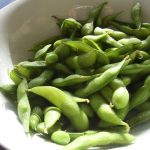
- Crispy Peas or Beans: Legumes like chickpeas or green peas can be dried into crunchy snacks.
- Rice Cakes: Though not a vegetable per se, rice cakes and similar products often use fluidized bed drying as part of their manufacturing process.
Overall, fluidized bed drying is an effective and efficient method for creating healthy, crispy vegetable snacks while preserving nutritional value and texture.
Leave a Reply