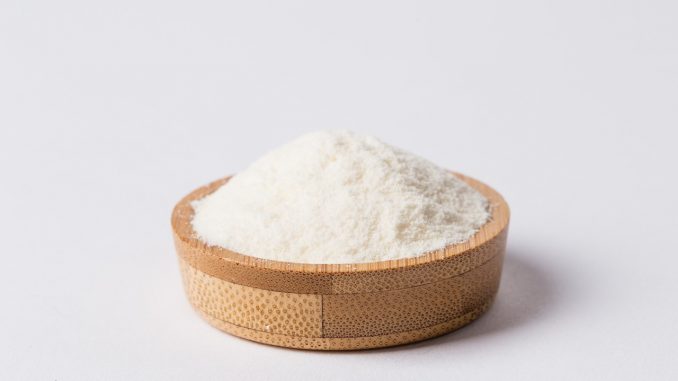
Powder filling and into packaging such as sachets, capsules and other receptacles is a major issue for product developers and manufacturers aiming to achieve consistency and minimise non-uniform dispersion of ingredients. As a format it is still one of the most popular food and pharmaceutical structures to work. As a result, a vast amount of knowledge has been accrued about the generic performance of these materials irrespective of any specific types of powder. Foods, such as cheese powders, cocoa powders, dairy powders etc., more so than pharmaceutical powders tend to be highly complex (Barbosa-Canovas et al., 2005).
To reduce powder segregation and dispersion during product filling, especially when dealing with powders that have a heterogeneous composition, there are several strategies you can implement. These approaches focus on controlling particle dynamics, minimizing segregation forces, and ensuring a more consistent flow and homogeneity of the powder during handling and filling. There are some excellent reviews on powder filling into pharmaceutical applications by Podczek (2004) and more lately by Avis (2018).
1. Analysis of Powders
Powders are characterised in many different ways, from appearance and particle size to behaviour under flow or shear. Of all the characteristics of a powder, particle size is the single most important physical characteristic. The size of a particle is simply expressed as a single, linear dimension. Any particle system of an identical particle size is extremely rare. In most cases, the distribution of a particle sizes is described in tabulated, mathematical and graphical representations and forms
Mathematical expressions are ideal in representing particle size data. A mathematical function allows for a ready, convenient graphical representation. It then offers maximum opportunity for interpolation, extrapolation, and comparison among particle/particulate systems. The information is even more valuable when the parameters of the function are related to the properties inherent in a particulate system that are then linked to the process generating or contributing to maintenance or segregation of the powder. Armed with such information, process control measures can be exploited, detailed product specifications set and a better handle on product quality assurance is generated.
- Powder flow characteristics are measured using angle of repose measurement, Carr’s index, Hausner ratio, flow through orifices of decreasing diameters and mass flow rates (Rajani et al., 2008),
- Measurements using shear cells are noted (Amidon & Houghton, 1985; Schweder and Shulze, 1990). None of these tests truly capture the effects of all the various physical parameters on powder flow and they do not universally describe flow behaviour in each unit operation (Amidon, 1998). One of the original models use the Jenike shear cell (Jenike, 1964). Shear cells can be used to measure the effective angle of internal friction, cohesion, flow index and flow function (Tenou & Fitzpatrick, 2000).
- The vibratory feeder method is a flow measurement technique used to quantify avalanche flow. Usually a powder flow index (PFI) is quoted which corresponds well with their overall flow properties. Commercial avalanche equipment include the Aero-Flow™ and the results then reported as the mean time to avalanche (MTA).
- Powders can be fractionated using different size sieves. These can be further analyzed using particle size measurements which include methods defined in the next point.
- Visual characterization: Uses optical microscopes, electron microscopy, laser light diffusion granulometers and, more recently, X-ray microtomography (Bao et al., 2004, Fu et al., 2006).
Carr’s Index
Carr’s index has been used for many years as an indirect method of quantifying powder flowability from bulk density. The method was developed by Carr. The percentage compressibility of a powder is a direct measure of the potential powder arch or bridge strength and stability, and is calculated according to following equation.
- Carr’s index (% compressibility) = 100 × (1 – Db / Dt)
Where Db = Bulk density, Dt = Tapped density.
Compressability Index
Related to the Hausner ratio. An indirect measure of bulk density, size and shape, surface area, moisture content, and materials cohesiveness. The basic procedure is to measure the apparent unsettled volume, V0, and the final tapped volume, Vf, of the powder after tapping the material until no further volume changes occur.
Compressability index = 100 x (v0 – Vf /Vo)
Hausner Ratio
The Hausner ratio has been also used as indirect method of quantifying powder flowability from bulk density. Hausner ratio = Dt / Db. Where Db = Bulk density and Dt = Tapped density.
The functional properties of powders are based on measured of flowability, colour, appearance.
Flowability
Flowability is another way of discussing powder rheology. It is a derived powder property and depends on a range of fundamental properties along with environmental and material properties. The factors affecting this are:-
- particle size distribution
- particle geometry
- moisture content
- inter-particle forces which are linked to the particle surface energies.
It is measured using an FT4 powder rheometer. A typical supplier is Freeman Technology (Worcs. UK) which is performed using compressibility and shear cell tests according to FT4 standard methods with 50-mm accessories at ambient temperature (20 °C). Measurements allows for the measurement of compressibility (Cp) and the cohesion (C) (Felfoul et al., 2021).
We can also quote the flow function coefficient (ffc) which is another objective measurement of cohesion and of flow tendencies. Knowing the ffc assists in hopper design, in designing conveyor systems especially with variable compositional parameters (Boiarkina et al., 2016).
One method of measuring flow behaviour in conical funnel systems is to take a conical funnel with orifice diameters of such a size that they barely permit any flow. The angle of repose (u), a measure of relative flowability of a given powder, was calculated from the base angle formed by the heap of powder (Sjollema, 1963). In a milk powder example, the mass flow of a powder (g/sec) was measured by permitting 80g to flow through funnels of different outlet diameters between 0.5 to 3 cm with gentle shaking (FMC/Synthron, Homer, PA) at 40 rpm. Flow through the funnel (g) was divided by the orifice area (πr2) to derive the flow area.
Angle of Repose
The angle of repose is a crucial concept in powder flow analysis — it helps determine how a granular material, like cocoa powder, behaves when poured or piled. The angle of repose is the maximum angle formed between a horizontal surface and the slope of a pile of a granular material. Essentially, it shows how steeply a powder or granule can naturally stack without sliding or collapsing.
Mathematically:
tan (𝜃) = ℎ/𝑟
where:
𝜃 = angle of repose
ℎ = height of the pile
𝑟 = radius of the pile’s base
In powder flow analysis, the angle of repose gives insight into:
- Flowability:
- Low angle (below 30°) — free-flowing powders (like fine salt or sugar).
- High angle (above 45°) — cohesive powders with poor flow (like cocoa powder or flour).
- Cohesion: Powders with high moisture content or small particle size tend to have a higher angle due to stronger interparticle forces.
- Handling and Processing: Helps design hoppers, silos, and conveyors by predicting whether a powder will flow smoothly or cause blockages.
Typical Ranges for Powder Flow
- < 30° — Excellent flow
- 30–40° — Good flow
- 40–50° — Moderate flow
- > 50° — Poor flow (likely to clump or bridge)
Measuring the Angle of Repose
-
Fixed Cone Method:
- Powder is poured onto a flat surface until a cone forms.
- The angle of the cone’s slope is measured.
-
Tilting Box Method:
- Powder is placed in a box that’s tilted until the powder starts to slide.
- The angle at which sliding begins is recorded.
-
Dynamic Methods:
- Use rotating drums or flowing hoppers to measure the angle in motion, useful for industrial settings.
Shear Cell Methods
Shear cell methods are widely used in powder flow analysis to measure a powder’s flowability, helping to predict how it will behave in hoppers, silos, and during processing.
What is a Shear Cell?
A shear cell is a device used to test how a powder reacts to applied shear stress — essentially, it measures how much force is needed to make the powder layers slide against each other. This helps determine whether a powder will flow easily or form clumps.
How Does a Shear Cell Work?
-
Sample Preparation:
- A sample of powder is placed in a cylindrical or annular cell.
- The powder is compressed under a known normal stress (to simulate the weight of powder in a storage bin).
-
Shearing:
- The top plate of the cell is moved laterally while the bottom plate remains stationary (or vice versa).
- The force needed to start and maintain this sliding motion is recorded — this is the shear stress.
-
Data Collection:
- The test is repeated at different normal stresses to generate a shear stress vs. normal stress curve.
- The critical point where the powder begins to flow (yield point) is key.
Key Measurements from Shear Cell Tests
- Cohesion (C): The shear stress when there is no applied normal stress — indicates how strongly particles stick together.
- Internal Friction Angle (φ): Reflects the resistance between powder particles; similar in concept to the angle of repose.
- Flow Function (FF): Calculated as the ratio of consolidation stress to the unconfined yield strength:
Flow Function=σ1/σc
where:
- σ1 = consolidation stress (how much pressure the powder is under)
- σc = unconfined yield strength (stress needed to cause flow)
- Flowability Classes:
- FF > 10 — Free-flowing
- 4 < FF ≤ 10 — Easy-flowing
- 2 < FF ≤ 4 — Cohesive
- 1 < FF ≤ 2 — Very cohesive (poor flow)
- FF < 1 — Non-flowing
Why Use Shear Cell Methods?
- Predicts flow behavior in hoppers and silos — avoids blockages like arching or ratholing.
- Assesses powder cohesiveness — useful for fine, sticky powders (like cocoa powder or flour).
- Optimizes industrial processes — ensuring smooth powder handling and consistent product quality.
Particle Size Distributions
The particle size distribution of a powder mix is commonly determined using a laser light diffusion granulometer. Typical equipment suppliers include the Mastersizer 3000 from Malvern Instrument Ltd, Malvern, UK. These are equipped with a 5 mW He-Ne laser operating at 632.8 nm wavelength with a 300RF lens and a dry dispersion module (Aero S). Dispersion conditions are commonly set at 3 bar, 100 % air pressure, 3 mm hopper length, and a 70–100 % feed rate to achieve 15–20 % obscuration. The granulometric parameters are set at D10, D50, and D90. These represent sizes for which 10 %, 50 %, and 90 % of particle diameters are smaller, respectively (Ferrari et al., 2013; Aralbayev et al., 2021).
In a number of cases, the powder is suspended in 99% isopropanol with magnetic agitation. Normally, solubilization of the particles does not occur in such a liquid. distribution of particle size is measured in triplicate. Particle size is expressed as a D value – the De Brouckere mean diameter. This is the mean diameter over the volume distribution which characterizes the particle.
Bulk Density Of Powders
Bulk density is a key property in powder flow analysis, helping predict how powders behave during storage, transport, and processing. There are two important measures; aerated bulk density and tapped bulk density.
a. Aerated Bulk Density (Loose Bulk Density)
Definition:
Aerated bulk density is the mass of a powder divided by the volume it occupies when the powder is loosely poured into a container, without any compaction.
How to Measure:
- Weigh an empty graduated cylinder or container (m0m_0).
- Gently pour the powder into the container without tapping or shaking.
- Level off the powder without compressing it, then weigh the filled container (m1m_1).
- Calculate the bulk density:
Aerated bulk density = (m1−m0)/V final
where:
- m1 = mass of container with powder
- m0= mass of empty container
- V = volume of powder (from the graduated cylinder)
Why It’s Important:
- Reflects how a powder behaves in a loosely packed state.
- Useful for assessing the flowability and aeration characteristics of powders — free-flowing powders often have lower aerated bulk density.
b. Tapped Bulk Density
Definition:
Tapped bulk density is the mass of a powder divided by the volume it occupies after being compacted by tapping or vibrating the container a set number of times.
How to Measure:
- Weigh an empty graduated cylinder (m0m_0).
- Pour the powder in loosely and record the initial volume.
- Tap the container (usually using a tapping device) a set number of times (often 500 or 1250 taps) until the volume no longer decreases.
- Record the final, compacted volume.
- Weigh the cylinder with the powder (m1m_1) and calculate:
Tapped bulk density=(m1−m0)/Vfinal
where Vfinal is the volume after tapping.
Why It’s Important:
- Shows how a powder behaves under compaction, mimicking storage or transport conditions.
- Helps predict if powders might “settle” or become denser over time.
Mathematical Models
A large number of mathematic models and expressions exist:-
- two-parameter mathematical models including normal and log-normal distributions such as the Rosin-Rammler and gates-Gaudin-Schumann 3,4 models (Macias-Garcia et al., 2004).
- three- and four-parameter models have been developed for better accuracy and representation to describe particle size distributions.
The Rosin-Rammler Distribution Function
A function that describes particle size distribution of powders created by milling and crushing of powder fractions. The main equation is expressed as:-
R = 100 exp -d*dmn where R is the retained weight fraction (%), d is the particle size (μm), dm is the mean particle size (um), and n is a measure of the spread of particle sizes.
2. Controlling Powder Particle Size Distribution
The bulk behaviour of powders is largely dependent on the size and shape of the particles.
- Poor flowability Due To Particle Size
Deficient bulk powder properties include poor flow and a high propensity for adhesion and cohesion due to their small particle size. Small particles less than 20 microns have a relatively high specific surface area which causes a high degree of adhesion to surfaces and cohesion with neighbouring particles. When particles are larger, e.g. over 100 microns they can roll over one another when shear stress is present and they show lower adhesive and cohesive behaviour. The main reason is that external forces such as gravity significantly exceed interparticle forces due to cohesive forces that arise from van der Waals interactions, electrostatic and capillary forces. The force of gravity is more significant for larger size ranges. By reducing cohesive forces between particles, the flow properties are significantly improved.
There are only a few studies that show quantitative information in the relationship between particle shape and the flow properties of powder.
Particle Segregation
To harmonize particle size and reduce fine powder dispersion or loss, several optimization techniques can be used, depending on the material properties and the process.
Size and Density Differences
In systems where larger and denser particles are processed alongside finer ones, the finer particles can segregate and migrate toward the ends or edges of the system, often due to vibrations or mechanical movement. Density is measured as either bulk or true density.
Particle Shape
The shape of any powder particles affects all stages of powder handling especially when it comes to mixing, to packing and then to flow into a package. When filling capsules for example, the particle shape is one of the most important features. If it is needle-shaped, rod-shaped or fibrous or has any particular elongated shape then filling can be problematic.
Any crystalline material with a media particle size above 20 microns should be considered for size reduction. However, reducing particle size brings its own problems.
Narrow the particle size distribution
Powders with a wide range of particle sizes are more prone to segregation, where finer particles tend to separate from coarser ones. By controlling the particle size distribution and ensuring a more uniform size, you can minimize the chances of segregation.
Granulation And Agglomeration
Granulation and agglomeration are similar technologies and can almost be regarded as one and the same process.
- Wet granulation: Binds fine particles together using a liquid binder, forming larger granules.
- Dry granulation: Uses pressure (roller compaction) to compact powder into granules without adding moisture.
- Spray drying: Converts liquid formulations into powder while controlling particle size. Spray drying has been extensively investigated over the years purely for this functionality.
One way of reducing the quantity of fines is to enlarge the size of the particulates using the process of agglomeration. This creates larger, more uniform agglomerates reducing dust formation. In this process, the starting material occur as fine particles which are joined and bound together. This produces an aggregate porous structure which becomes larger in size than the starting material so that the primary and original particles can still be identified (Hapgood & Khanmohammadi, 2009). Often used in the production of rapid dissolving over-the-counter medicines, coffee granules etc.
Milling and Classification
- Jet milling: Offers fine control over particle size by using high-speed gas streams. Usually employed in producing ultra-fine powders but also a way of producing uniform sizes in particules.
- Ball milling: Reduces particle size but can be optimized to prevent over-milling.
- Air classification: Separates particles based on size, allowing for consistent distribution.
Spheronization
Converts irregular particles into spherical granules, improving flow properties and reducing dust.
Spray Coating
Coating fine particles with a larger carrier particle or a layer of material to increase their effective size and reduce their dispersibility.
Guest Particles
Powder flow properties of cohesive powders are improved by dispersing a very small guest particle. These are also called anti-caking agents. Guest particles such as silicon dioxide for example cover the surface of the host particle. The guest particles act as spacers amongst the host particles. This effectively increases the contact distance and decreases van der Waals attractions. The reduction in cohesion by such an approach is greatly influenced by the surface area coverage of the anti-caking agent on the guest particle. On that basis, a higher surface are coverage yields better flow. This approach is sometimes referred to as nano-coating.
The impact of unfavourable particle shapes can also be minimised with excipients. If the particle shape is highly irregular, then excipients can be added that are more rounded and of similar particle size can be added. There are grades of microcrystalline or microfine cellulose and fried maize starch which are highly useful in evening out the shape.
Binder Optimization
Incorporating binders that help fine particles adhere to larger ones, stabilizing the size distribution. Effective mainly in tablet manufacture and in powder coatings.
Electrostatic Control
- Reduces static charge to prevent fine powder from clinging to surfaces or dispersing into the air.
- Particularly useful in powder handling systems.
Moisture Control
- Adding controlled humidity can slightly increase cohesion between particles, preventing excessive dispersion.
- However, it must be balanced to avoid caking or clumping.
Customized Sieving
- Using multi-layer sieves to separate particles into specific size fractions, preventing excess fine particles from contaminating the final product.
3. Use of Powder Blending or Mixing Equipment
- Use appropriate mixers: Ensure you use the right type of mixer (e.g., V-blender, ribbon blender, or paddle mixer) that provides good mixing efficiency, especially for powders with varying particle sizes. Some mixers have features that help reduce the tendency for segregation by preventing the uneven dispersion of fine particles during mixing.
- Continuous blending: If mixing and blending powders for product filling, aim for continuous blending to ensure a homogenous mixture. Batch mixing can lead to segregation over time as the mixture is handled.
- Airborne fines: Fine powders are light and easily become airborne during processing. Air currents in the system often carry these particles toward the end of the line where they can settle.
- Ineffective Dust Extraction: If the processing line’s dust collection system is not adequately designed or maintained, fine particles that escape earlier in the process can accumulate downstream. It is often an overlooked aspect of powder segregation and dispersion.
4. Gravity and Settling
- Low Momentum: Fine particles have low mass and inertia, causing them to settle more easily in areas where the processing flow slows down, often near the end of the line. One of the way of segregating powders is to change their momentum based on mass using cyclones.
- Dead Zones: Design flaws such as bends, transitions, or stagnant areas in the line can cause fines to accumulate in these locations.
- Generating turbulent flows is a means by which finer powders travel further than larger sized powders. Reentrainment of powders is also possible when the nature of the flow alters from laminar to turbulent flow (Matsusaka & Masuda, 1995).
5. Reduce Powder Flowability and Minimize Shear Forces
- Control moisture content: Some powder segregation occurs due to poor flowability, which can be made worse by high moisture levels. Adjusting the moisture content to an optimal level can prevent this particular phenomenon.
- Use of flow aids: Flow aids or anti-caking agents can be incorporated to reduce powder cohesion and enhance flowability, reducing the risk of segregation during handling.
6. Electrostatic Forces
- Charge Accumulation: Fine particles can become electrostatically charged through friction or contact with equipment surfaces. These charges may cause them to adhere to surfaces, particularly at the end of the line where equipment transitions or storage bins are located.
7. Optimize Handling and Transport Conditions
- Minimize vibration and agitation: Vibrations and mechanical agitation during the transfer of powders can cause fine particles to disperse, leading to segregation. You can minimize vibration during the filling process by using smoother conveyance systems or integrating gentle handling techniques.
- Use controlled-feeding systems: Consider using controlled powder feeding systems such as rotary valve feeders, screw feeders, or vibratory feeders that ensure steady and uniform powder flow.
8. Avoid Long Storage Times Between Handling Steps
- Reduce the time between mixing and filling: The longer the powder is stored or handled between mixing and filling, the more likely it is that segregation will occur. Aim to reduce storage time and handle the powder in smaller batches to maintain homogeneity.
9. Static Control and Equipment Design
- Anti-static measures: Powders can segregate more easily due to static electricity, which causes fine particles to cling to surfaces. Implement anti-static devices or coatings to reduce electrostatic build-up.
- Optimized hopper design: Ensure the hopper or storage system has proper design features such as a well-shaped funnel or angled walls to reduce the risk of segregation during the filling process. Incorporating a high-quality agitator or mixing mechanism can also help maintain homogeneity.
- Valves are susceptible to the build-up of powders. Ball segment valves contain inflatable seals which fill the gap between the segment and the scraper ring preventing contamination and ensuring continuous operation so that the flow of powder is uninterrupted.
- Pneumatic conveying systems are considered to be more damaging to powders than bucket elevator systems. The pneumatic systems transport powders by accelerating them using air and in some cases nitrogen through pipes. If they are accelerated into pipe bends then there is more significant particle breakdown. On that basis more attention is given to the design of pipe geometry, transport pressure, solids/airflow mass ratio and transport velocity.
- The bucket elevator is a transport system that appears to show reduced particle breakdown compared to the pneumatic conveying system. .
10. Process Design and Flow Characteristics
- Turbulence: Changes in airflow or mechanical movement (e.g., conveyors or vibratory feeders) can create turbulence that pushes fine powders toward the end of the line.
- Insufficient Conveyance Velocity: If the velocity in pneumatic or mechanical conveying systems drops below a certain threshold, fines may fall out of suspension and collect at the system’s end.
- Dispersion Kinetics: Use optical fibre sensing to measure dispersed particles. The sensor measures light scattering by particulates in air and has been an effective method for monitoring powder segregation and dispersion.
11. Proper Use of Additives or Surfactants
- Incorporating additives: Certain additives can help bind fine particles together, reducing dispersion. Using surfactants or granulating agents can help improve the flow properties and prevent fine particles from dispersing at the end of the line. See the section on agglomeration and granulation.
12. Regular Monitoring and Process Control
- Inline quality control: Implement real-time monitoring and control techniques, such as using sensors or automated systems that measure powder homogeneity and consistency throughout the process. This allows you to identify and correct any issues with segregation during production.
13. Wear and Tear
- Abrasion: Over time, equipment surfaces may wear, creating small gaps or rough patches where fines can collect, especially in less-maintained areas toward the end of the line.
14. Fines Accumulation
Fines, which are very small powdery particles, results from the fragmentation of materials. Particle breakage so creating fines occurs if the particles are especially granular and/or friable. In general terms, two breakage mechanisms for dry granules especially have been proposed; firstly erosion or attrition and secondly fracture or fragmentation.
When erosion is the main breakage mechanism, there is usually a large fragment of a size close to the original aggregate and a number of smaller fine particles. When the breakage is by fracture, it results in the production of a number of smaller fragments. The fracture type of breakage is further divided into two forms. There is cleavage in which the parent particles break into a larger number of smaller fragments very often of similar size but not always. There is also shattering resulting in many fragments of a wide range of sizes. .
Fines have a tendency to accumulate in production lines especially at their end. There are many reasons for concentration and accumulation.
Gravity and Particle Dynamics
- Airflow: During production, the airflow in conveyors, pneumatic systems, or processing equipment can carry smaller particles further down the line than larger ones. These fines often settle at the end where airflow slows or stops. Attrition is also attributed to air flow with the passage of particles through pipes. Hilbert investigated flow of powders in bends: a long radius bend, a short radius elbow and a blinded tee. Less attrition occurred in the blinded tee whilst attrition was worst in the long radius bend.
- Huber and Sommerfeld developed a model based on a numerical prediction of wall-bounded particle flows. These included the effects of particle transverse lift forces, turbulent two-way coupling, particle–wall collisions and inter-particle collisions. Using Euler–Lagrange modelling they found wall roughness reduced gravitational settling. The rougher the wall, the greater the number of inter-particle collisions which impact on mass transport.
- Kalman (1999) looked at attrition too in pneumatic systems. He looked at three case studies (a) examination of the degree of attrition resulting in round particles by rubbing off smooth corners (b) the replacement of grinders and micronizers in the pipeline and (c) the overall movement of powder in bulk.
- Salman et al., (2002) examined particle breakage in pneumatic systems.
- Size and Weight: Fines are smaller and lighter than bulk materials, making them more prone to being displaced by vibrations, airflow, or turbulence, which can lead to their accumulation at specific points in the line.
Separation during Processing
- Segregation: As powders move along the line, larger particles tend to separate from smaller ones due to differences in size, density, or shape. This segregation often results in fines migrating toward the end of the production process.
- Vibration and Movement: Vibratory conveyors or shakers, commonly used in production lines, can cause smaller particles to sift downward and move to the end due to their lower inertia.
Electrostatic Forces
- Powders, especially fine particles, can develop electrostatic charges during handling. These charges can cause fines to adhere to surfaces or concentrate in specific areas, often at the end of production lines where material movement slows down.
Design of the Equipment
- Dead Zones: Poorly designed equipment with dead zones or areas of reduced flow can cause fines to collect at the end of conveyors, silos, or hoppers.
- Collection Points: If the equipment lacks adequate filtration or collection mechanisms, fines may accumulate at terminal points.
Mechanical Wear and Fragmentation
- During transport or processing, friction and mechanical impact can cause particles to break down, generating fines. These freshly created fines are more likely to accumulate at the end of the line where bulk materials are discharged.
Insufficient Dust Extraction Systems
- Inadequate dust or fine particle extraction systems can allow fines to remain in the production flow, eventually settling at the end of the line.
15. Solutions to Minimize Accumulation
- Improve Dust Collection: Install or optimize extraction systems to capture fines throughout the process.
- Improve Equipment Design: Ensure smooth transitions in conveyors and eliminate dead zones to prevent accumulation.
- Optimize Airflow and Conveyance Speed: Ensure sufficient velocity to keep fines suspended and carried away appropriately.
- Static Mitigation: Use anti-static coatings or grounding methods to reduce particle adhesion.
- Regular Maintenance: Inspect and clean equipment to prevent build up and minimize dead zones.
- System Design Adjustments: Redesign problematic sections of the line to minimize turbulence and ensure smooth flow.
By combining these approaches, you can significantly reduce powder segregation and prevent the dispersion of fine powders during product filling, leading to more consistent product quality and improved process efficiency.
Requirements For Equipment Suppliers In Powders Handling
Manufacturers of high-performance powder processing equipment set specific standards for their equipment based on customer requirements. Depending on these requirements, most equipment is constructed of sanitary 304 and 316 stainless steel. Other alloys can be used too. The finishes are compliant with USDA, FDA, BISCC, 3-A and USA/International sanitary and safety standards.
16. Food Powder Handling: Equipment Suppliers In Europe
AZO GmbH & Co (Germany) – Automated handling of bulk powders
De Dietrich Systems: Offer equipment for bulk powder handling including transfer systems.
GEA Group (Dusseldorf: Germany) – Major equipment supplier catering for all types of processing.
Gericke AG (Switzerland) – Feed, mixing and conveying technology.
Lodige Process Technology – experts in powder handling
Schenck Process GmbH – bulk handling solutions
Spiroflow (UK) – screw conveyors, aero mechanical conveyors, powder handling equipment
Volkmann GmbH (Soest: Germany). Specialists in vacuum conveyoring of powders and other materials with equipment capable of transporting a maximum of 12 Tonnes/hour.
17. Equipment Suppliers In USA
References
Amidon, G.E. and Houghton, M.E. (1985) Powder Flow Testing in Preformulation and Formulation Development. Pharma. Manuf., 2 (7) pp. 21–31
, , , . (2005). Food powders: physical properties, processing, and functionality. New York : Kluwer Academic/Plenum Publishers.
Boiarkina, I., Sang, C., Depree, N., Prince-Pike, A., Yu, W., Wilson, D. I., & Young, B. R. (2016). The significance of powder breakdown during conveying within industrial milk powder plants. Advanced Powder Technology, 27(6), pp. 2363-2369 (Article)
Cuq, B., Mandato, S., Jeantet, R., Saleh, K., & Ruiz, T. (2024). Agglomeration/granulation in food powder production. In Handbook of Food Powders (pp. 99-116). Woodhead Publishing.
Felfoul, I., Burgain, J., Perroud, C., Gaiani, C., Scher, J., Attia, H., & Petit, J. (2021). Impact of spray‐drying conditions on flow properties of skim dromedary and cow’s milk powders using the FT4 powder rheometer. Journal of Food Processing and Preservation, 45(6), e15566.
Ferrari, C. C., Marconi Germer, S. P., Alvim, I. D., & de Aguirre, J. M. (2013). Storage stability of spray-dried blackberry powder produced with maltodextrin or gum arabic. Drying Technology, 31(4), pp. 470-478
Fu, X., Huck, D., Makein, L., A, P., Yarmstrong, B., Willen, U., & Freeman, T. (2012). Effect of particle shape and size on flow properties of lactose powders. Particuology, 10(2), pp. 203-208 (Article).
(1964). Storage and flow of solids. Bulletin of the Univ. of Utah, 53(26), Bulletin 123, Utah Engineering Experiment Station, Univ. of Utah, Salt Lake City, Utah.
Kalman, H. (1999) Attrition control by pneumatic conveying. Powder Technol. 104(3) pp. 214-220
, , . 2009. Characterization of powder flow: static and dynamic testing. Powder Technol 194: pp. 239–45.
Macıas-Garcıa, A., Cuerda-Correa, E. M., & Dıaz-Dıez, M. A. (2004). Application of the Rosin–Rammler and Gates–Gaudin–Schuhmann models to the particle size distribution analysis of agglomerated cork. Materials Characterization, 52(2), pp. 159-164 (Article).
Matsusaka, S., Masuda, H. (2007) Particle Reentrainment from a fine powder layer in a turbulent air flow. Aerosol Sci. & Technol. 24(2) pp. 69-84 (Article)
Onwulata, C. I., Konstance, R. P., & Holsinger, V. H. (1996). Flow properties of encapsulated milkfat powders as affected by flow agent. Journal of Food Science, 61(6), pp. 1211-1215.
Ortega-Rivas, E., Juliano, P., Yan H. (2006) Food Powders: Physical Properties, processing, And Functionality.
Podczek, F. (2004) Powder, granule and pellet properties for filling of two-piece hard capsules. In: Pharmaceutical Capsules. Chapt. 5 pp. 101- 118
Rajani, M., Kanaki, N.S. (2008) Phytochemical Standardization of Herbal Drugs and Polyherbal Formulations, Bioactive Molecules and Medicinal Plants. Berlin, Heidelberg: Springer. pp. 349–69
(1993). Instantization of powdered food products. Int Chem Eng 33: pp. 28–45
Sjollema, A. 1963. Some investigations on the free-flowing properties and porosity of milk powders. Neth. Milk & Dairy J. 17 pp. 245–259
Teunou, E., Vasseur, J., & Krawczyk, M. (1995). Measurement and interpretation of bulk solids angle of repose for industrial process design. Powder Handling and Processing, 7(3), pp. 219-228

Leave a Reply