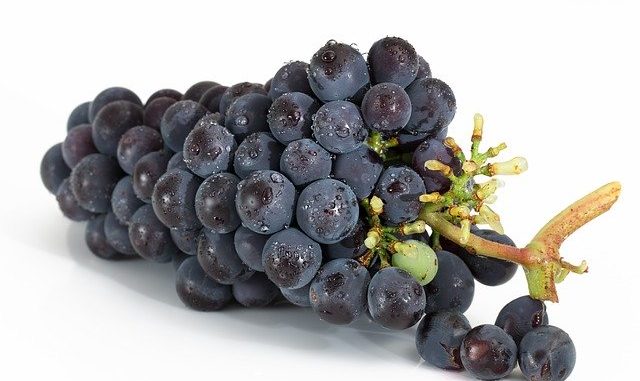
Polyphenols are a group of plant compounds which have a number of health benefits.
We often discuss polyphenols in nutrition, especially on this web-site. There is a lot of research which covers the role of polyphenols in nutrition. If you regularly consume foods containing plenty of polyphenols then there are strong associations with alleviating the issues of chronic diseases. Chronic diseases include the likes of stroke, cardiovascular diseases, metabolic syndrome, type 2 diabetes, and particular types of cancer. They also have an impact in improving general digestion and overall health.
So many foods contain polyphenols. They are all plant based so consuming vegetables and fruits should deliver a high level of these polyphenols. They are also obtained from processed and fermented foods too. Consider red wine, chocolate, berries, tea and coffee which are all good sources. These compounds are also found in a variety of other plants.
The amount and type of polyphenols in our food depends on growing conditions, the cultivar, growing conditions and how they are treated after harvesting. Cooking and preparation are two major processes which influence the quality of the polyphenols we consume. In some cases they may even improve the quality.
Type of Polyphenols
Over 8,300 types of polyphenols have been identified and there are still many which remain undiscovered or uncharacterised. They all have a typical phenolic structure.
Polyphenols can be further categorized into 4 main groups:-
- Flavonoids. These account for around 60% of all polyphenols and are the largest group of phenolic compounds. Examples on our web-site include quercetin, kaempferol, catechins, and anthocyanins. These are found in foods like apples, onions, dark chocolate, and red cabbage.
- Phenolic acids. This group accounts for around 30% of all polyphenols. Examples include stilbenes and lignans, which are mostly found in fruits, vegetables, whole grains, and seeds.
- Polyphenolic amides. This group includes the capsaicinoids found in chili peppers and the avenanthramides in oats.
- Other polyphenols. This general, all-embracing group includes everything else. Take for example resveratrol in red wine which is a stilbene, ellagic acid in berries, curcumin in turmeric, and the lignans in flax seeds, sesame seeds, and whole grains.
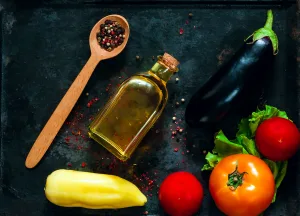
The amount and type of polyphenols in foods depend on the source, including its origin, ripeness, and how it was farmed, transported, stored, and prepared. A diet rich in polyphenols might be the Mediterranean diet. This is a diet rich in polyphenol-containing foods such as red wine, olive oil, fruits and vegetables etc.
Polyphenol-containing supplements are available as well. However, they’re likely to be less beneficial than polyphenol-rich foods although this has still to be established. The protective effects of polyphenols in the body also depends on their extraction from food, the level of intestinal absorption, their metabolism, and biological action with target tissues. Everybody is different, the intake of dietary polyphenols which are found in the plasma and the urine are different from one person to the next. One of the main reasons for such differences is probably due to the different gut microbiota composition and a host of genetic polymorphisms (essentially our genetic make-up), and this in particular is often difficult to link to unambiguous health effects.
The reasons why polyphenols work has been attributed to their anti-inflammatory properties and their antioxiodant properties in many cases. It is also thought that many of their benefits are due to interactions with signaling proteins (Kostyuk et al., 2011).
Which Foods Are Rich In Polyphenols?
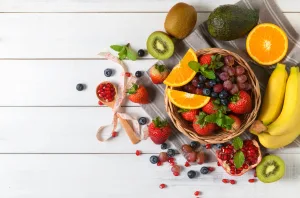
Polyphenols are naturally occurring compounds found in many plant-based foods and are well known for their antioxidant and anti-inflammatory properties, and they are distributed widely across a variety of fruits, vegetables, beverages, nuts, seeds, herbs, and spices. Among the richest sources of polyphenols are deeply coloured fruits such as berries, including blueberries, blackberries, strawberries, and raspberries, all of which are particularly abundant in anthocyanins, a class of flavonoids that give them their vibrant hues and potent antioxidant effects.
Grapes, especially red and purple varieties, are also excellent sources, with their skins containing resveratrol, another well-studied polyphenol linked to heart protection. Apples, plums, cherries, pears, and pomegranates similarly contribute high amounts, with pomegranate juice in particular being especially rich in polyphenols like ellagitannins.
Vegetables such as spinach, red onions, broccoli, kale, and artichokes also provide significant polyphenol content, and artichokes are considered one of the most polyphenol-dense vegetables overall.
Whole grains like oats, rye, and whole wheat contain phenolic acids, particularly ferulic acid, which acts as an antioxidant in the body. Nuts and seeds also play an important role, with chestnuts, hazelnuts, almonds, flaxseeds, and sesame seeds providing valuable polyphenolic compounds that support metabolic and cardiovascular health. Beverages are another major contributor to polyphenol intake: green tea and black tea contain catechins and theaflavins respectively, which have been widely researched for their health-promoting properties, while coffee is one of the largest sources of polyphenols in many people’s diets, especially chlorogenic acids that may help regulate blood sugar and support vascular health.
Red wine, when consumed in moderation, provides resveratrol and other flavonoids derived from grape skins, while cocoa and dark chocolate are rich in flavanols such as epicatechin, which are linked to improved blood flow and reduced blood pressure.
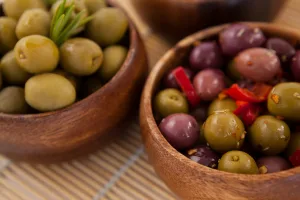
Extra virgin olive oil, a cornerstone of the Mediterranean diet, also supplies a variety of polyphenols, including hydroxytyrosol, which supports anti-inflammatory pathways and cardiovascular resilience.
Legumes such as black beans, lentils, and chickpeas contain polyphenolic compounds that add to their already impressive nutrient profile, and soy products, including tofu and soy milk, provide isoflavones, a unique subclass of polyphenols with hormone-modulating effects. Herbs and spices, although used in smaller amounts, are often among the densest sources by weight; cloves, star anise, cinnamon, peppermint, oregano, sage, thyme, and rosemary are all exceptionally high in polyphenols, and they can significantly boost intake even when sprinkled sparingly over meals. Even simple additions such as dark chocolate, a cup of coffee, or a handful of berries can make a large contribution to daily polyphenol intake. Overall, foods rich in polyphenols tend to be those that are colorful, aromatic, and minimally processed, and including a wide range of fruits, vegetables, teas, coffee, olive oil, nuts, seeds, whole grains, legumes, and spices is the best way to ensure a consistently high intake, supporting long-term health and reducing the risk of many chronic conditions.
Polyphenols And a Reduction In Death From All Causes
The Mediterranean Diet is a diet rich in polyphenols. A large primary prevention study examined the long-term benefits of this diet on the occurrence of cardiovascular disease (CVD) in particular but also overall death (all cause mortality). The people studied were at high risk but who did not at the time have CVD. It was known as the PREDIMED study.
The PREDIMED study was based on collecting food consumption data through diaries and a managed food frequency questionnaire. The polyphenol content of all the food consumed was estimated from the Phenol-Explorer database.
Amongst the high-risk participants, anybody with a higher polyphenol intake demonstrated a 37% lower mortality risk compared with those groups with a lower intake. Examining the types of polyphenols consumed, the stilbenes and lignans showed the highest benefit. The flavonoids and phenolic acids had no significant effect on reducing death.
Polyphenols And Heart Disease
Some general clinical studies show that polyphenols could reduce the risk of heart disease including atherosclerosis by positively reducing various risk factors associated with the condition.
The PREDIMED study we described earlier showed that there was a significant reduction in a variety of heart disease related events. Death from heart disease was also reduced. This was linked to a higher intake of polyphenols of a general nature (Tresserra-Rimabu et al., 2014b).
Consumption of cocoa polyphenols which are mainly flavonoids were found to produce a significant decrease in blood pressure if they were consumed daily for a fortnight (Shrime et al., 2011).
Cocoa generally significantly decreases the levels of LDL (bad) cholesterol and raises the levels of HDL (good) cholesterol in the body. The affect is attributed to the presence of cocoa polyphenols.
Diabetes
Kim et al., (2016) conducted a very thorough review of the benefits of consuming polyphenols and reducing the risk of type-2 diabetes. They summarized all the epidemiological and clinical studies up to that time. There is not a lot of evidence even now regarding studies on humans although there is plenty of information from animal and cell studies. Generally, consuming plenty of polyphenols is associated with a lower risk of type-2 diabetes but as they state, it is not always obvious.
The mechanisms by which polyphenols might exert their benefit is through protecting the β-cells that produce insulin in the pancreas from glucose toxicity. They can also stimulate insulin secretion. They may also inhibit salivary and pancreatic α-amylase and α-glucosidase which are involved in carbohydrate metabolism to produce glucose.
Weight Management
The Mediterranean Diet has long been cited as a diet for those wishing to reduce weight and manage it too. One of the main components is olive oil which has one of the highest concentrations of polyphenols of all the food we might encounter. There is very strong evidence that consuming olive oil in appropriate amounts helps not only with preventing cardiovascular disease and strokes but also mitigating the effects of metabolic syndrome and reducing some cancers.
Not all olive oils are the same but extra virgin olive oil is regarded as the best because of it contains relatively healthy fats. If part of a diet, there is research which suggests that this oil compared to others is very effective in maintaining a health lifestyle and in helping us mane our weight.
Which Supplements Should I Take That Are Good Sources Of Polyphenols?
- Resveratrol (from grape skin or Japanese knotweed)
-
A well-known stilbene polyphenol linked to heart health, anti-aging, and inflammation reduction.
-
Often found in red wine but available in concentrated capsules.
-
Purchase resveratrol supplements.
-
-
Green Tea Extract (EGCG)
-
Contains catechins, especially epigallocatechin gallate (EGCG).
-
Supports metabolism, brain health, and may help regulate blood sugar.
-
Purchase green tea extracts.
-
-
Curcumin (from turmeric)
-
Technically a polyphenolic compound with potent anti-inflammatory and antioxidant properties.
-
Absorption improves when combined with black pepper extract (piperine).
-
-
Quercetin
-
A flavonoid found in apples, onions, and berries.
-
Supports immune health, reduces inflammation, and may help with allergy symptoms.
- Purchase quercetin supplements
-
-
Pomegranate Extract
-
Rich in ellagitannins and other antioxidants.
-
Supports vascular health and may help lower blood pressure.
-
Purchase pomegranate extract.
-
-
Cocoa Extract
-
High in flavanols (like epicatechin).
-
Linked to improved blood flow, brain function, and cardiovascular health.
-
-
Olive Leaf Extract
-
Contains oleuropein and hydroxytyrosol.
-
May support heart health, reduce inflammation, and provide antimicrobial benefits.
-
-
Blueberry / Acai / Other Berry Extracts
-
Rich in anthocyanins, powerful antioxidants for brain and cardiovascular health.
-
-
Soy Isoflavones
-
A unique class of polyphenols with hormone-modulating effects.
-
Sometimes used to support women’s health, especially during menopause.
- Purchase Soy Isoflavones Supplement
-
- Grape Seed Extract
-
Rich in proanthocyanidins, powerful antioxidants.
-
Studied for cardiovascular protection, improved circulation, and reducing oxidative stress.
- Purchase Grape Seed Extract.
-
Things to Keep in Mind
-
Supplements are not as well balanced as whole foods, which provide fiber, vitamins, and synergistic compounds.
-
Quality varies widely — look for brands with third-party testing (e.g., USP, NSF).
-
Some (like high-dose green tea extract) can be hard on the liver if overused.
-
The ideal supplement depends on your health goals (heart health, brain function, anti-inflammatory support, etc.).
[Please note we are an affiliate marketing partner and will make a sales commission if you purchase any items through our affiliate links. Please read our affiliate disclosure].
Legal Disclaimer Concerning Products On This Web-Site
The products and the information provided about specific products on or through this site have not been evaluated by the United States Food and Drug Administration or by any other national regulatory body and are not intended to diagnose, treat, cure or prevent disease. The information provided on this site is for informational purposes only and is not intended as a substitute for advice from your physician/doctor or other health care professional or any information contained on or in any product label or packaging. You should not use the information on this site for diagnosis or treatment of any health problems or for prescription of any medication or other treatment. You should consult with a healthcare professional before starting any diet, exercise or supplementation program, before taking any medication or if you suspect you might have a health problem.
References
Hanhineva, K.; Törrönen, R.; Bondia-Pons, I.; Pekkinen, J.; Kolehmainen, M.; Mykkänen, H.; Poutanen, K. (2010) Impact of Dietary Polyphenols on Carbohydrate Metabolism. Int J Mol Sci. 2010, 11, pp. 1365–1402
Kim, Y., Keogh, J.B., Clifton, P.M. (2016) Polyphenols and Glycemic Control. Nutrients. 2016;8(1):17. Published 2016 Jan 5. doi:10.3390/nu8010017
Kostyuk, V.A.; Potapovich, A.I.; Suhan, T.O.; de Luca, C.; Korkina, L.G. (2011) Antioxidant and signal modulation properties of plant polyphenols in controlling vascular inflammation. Eur. J. Pharmacol. 658, pp. 248–256
Shrime, M. G., Bauer, S. R., McDonald, A. C., Chowdhury, N. H., Coltart, C. E., & Ding, E. L. (2011). Flavonoid-rich cocoa consumption affects multiple cardiovascular risk factors in a meta-analysis of short-term studies. Journal of Nutrition, 141(11), pp. 1982-1988 (Article)
Tresserra-Rimbau, A., Rimm, E. B., Medina-Remón, A., Martínez-González, M. A., López-Sabater, M. C., Covas, M. I., … & Arós, F. (2014). Polyphenol intake and mortality risk: a re-analysis of the PREDIMED trial. BMC Medicine, 12(1), 77 (Article).
Tresserra-Rimbau, A., Rimm, E. B., Medina-Remón, A., Martínez-González, M. A., De la Torre, R., Corella, D., … & Fiol, M. (2014b). Inverse association between habitual polyphenol intake and incidence of cardiovascular events in the PREDIMED study. Nutrition, Metabolism and Cardiovascular Diseases, 24(6), pp. 639-647 (Article).

I always think these polyphenols sound like horrible chemicals but reading recently on ones found in chocolate, I’ve started eating more dark chocolate not less.