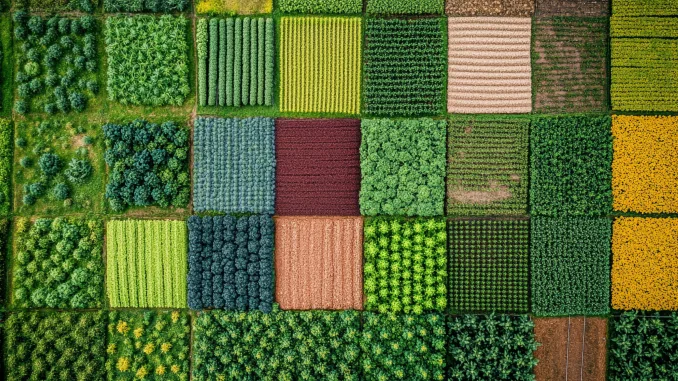
In the language of global agriculture, “opportunity crops” are the plants that economists, governments, and farmers increasingly see as the next big answer to food insecurity, rural poverty, and changing consumer demand. They are not always the dominant staples like wheat, rice, or corn. Instead, they are crops that offer emerging economic potential because of shifting markets, climate conditions, nutritional trends, or export opportunities. In many cases, opportunity crops are products that can generate higher income for farmers, strengthen food systems, and help countries adapt to an uncertain agricultural future. From quinoa in South America to avocados in East Africa and drought-resistant millet across parts of Asia and Africa, these crops are becoming central to the conversation about the future of food economics.
The idea behind opportunity crops is rooted in economic transformation. Traditional farming systems often rely heavily on a narrow group of staple crops that dominate global trade and domestic consumption. While these staples are critical for feeding populations, they can leave farmers vulnerable to price swings, climate shocks, and declining profits. Opportunity crops represent diversification. They offer farmers an alternative path — one that can potentially lead to better earnings, access to global markets, and stronger resilience against environmental pressures.
The rise of opportunity crops is being shaped by several powerful forces at once. Climate change is one of the most important. As droughts intensify, rainfall patterns shift, and heat waves become more frequent, some traditional crops are becoming harder to grow in certain regions. Governments and agricultural scientists are therefore searching for crops that can survive harsher conditions while still producing reliable yields. Sorghum, millet, chickpeas, and cassava are increasingly promoted because they require less water and can tolerate extreme weather better than more water-intensive crops. In regions facing growing climate instability, these crops are no longer viewed as secondary options. They are increasingly seen as strategic assets.
Consumer demand is another major driver. Across Europe, North America, and parts of Asia, shoppers are seeking healthier, more sustainable, and more diverse foods. That demand has transformed previously overlooked crops into highly profitable exports. Quinoa is perhaps the clearest example. Once considered a traditional Andean grain consumed mainly in local communities, quinoa exploded into global popularity as health-conscious consumers embraced it as a “superfood.” Prices surged, exports increased, and farmers in countries like Bolivia and Peru suddenly found themselves connected to international supply chains that barely existed a generation earlier.
Opportunity crops can also emerge from technological innovation. Advances in agricultural research allow scientists to develop crop varieties that mature faster, resist pests, or thrive in difficult soils. These innovations can turn previously marginal crops into commercially viable products. In some regions, farmers are experimenting with high-value horticultural crops such as berries, herbs, spices, or specialty nuts because improved logistics and refrigeration systems now allow them to reach international markets before products spoil.
The importance of opportunity crops to food economics lies in their ability to reshape rural economies and food systems. Economists often stress that agricultural development is one of the most effective ways to reduce poverty, especially in developing countries where millions of people still depend on farming for survival. When farmers gain access to profitable crops, household incomes can rise dramatically. Higher earnings can translate into better nutrition, improved education, healthcare access, and stronger local economies. Entire communities can benefit when successful crops create jobs in transportation, packaging, processing, and export industries.
Opportunity crops also matter because they can reduce dependence on imported food. Many countries spend billions importing staples that could become increasingly expensive as global supply chains face disruptions from war, climate disasters, or trade tensions. By investing in crops suited to local conditions, governments hope to improve food sovereignty and economic resilience. In Africa, for example, there is growing interest in promoting indigenous crops that have historically been neglected in favor of imported wheat or rice. Policymakers argue that local crops adapted to regional climates may offer more stable and sustainable food systems in the long run.
At the same time, opportunity crops are deeply tied to the realities of global capitalism. Not every farmer benefits equally from these agricultural booms. In fact, some of the biggest winners are often large agribusinesses, exporters, retailers, and international food companies. When demand for a crop surges globally, wealthier producers with access to land, credit, machinery, and transportation infrastructure are usually in the best position to scale production quickly. Small-scale farmers may gain new opportunities, but they also face risks. Market prices can be volatile, and dependence on export demand can create instability if consumer trends suddenly change.
The quinoa boom illustrates this complexity. While many Andean farmers initially experienced rising incomes, higher prices also made quinoa less affordable for some local consumers who had relied on it as a staple food. Critics argued that international demand reshaped local diets and shifted agricultural priorities toward exports. Similar debates surround crops like avocados, where booming global demand has generated wealth for some producers while contributing to environmental stress, water shortages, and land conflicts in certain regions.
Consumers in wealthier countries also benefit from opportunity crops, often without realizing it. Supermarkets now market these foods as premium products associated with health, sustainability, and ethical consumption. Almond milk, plant-based protein products, ancient grains, and exotic fruits have become symbols of modern food culture. The economic value created by opportunity crops is therefore not confined to farms. It stretches across global retail chains, food manufacturing companies, restaurants, and wellness industries.
Governments and international organizations are increasingly investing in opportunity crops because they see them as tools for both economic development and political stability. Food insecurity can fuel migration, unrest, and conflict. By helping farmers increase incomes and strengthen agricultural productivity, policymakers hope to reduce poverty and improve resilience. Development agencies frequently support programs that train farmers in cultivating high-value crops or provide access to financing and export markets.
Yet the enthusiasm surrounding opportunity crops comes with caution. Agricultural economists warn that no crop is a guaranteed path to prosperity. If too many producers flood the market, prices can collapse. Diseases or pests can devastate monoculture farming systems. Climate conditions may shift faster than expected. And dependence on export markets can expose farmers to geopolitical tensions and changing consumer habits thousands of miles away.
There is also the ethical question of balance. Should farmland prioritize export-oriented opportunity crops or local food production? Critics worry that some countries may focus too heavily on profitable exports while neglecting staple foods needed for domestic food security. This tension becomes especially acute during global crises, when countries suddenly realize the dangers of relying on international markets for essential nutrition.
Ultimately, opportunity crops represent both hope and uncertainty in the global food economy. They reflect a world where agriculture is no longer simply about feeding local populations but about navigating climate change, consumer trends, international trade, and technological innovation all at once. For struggling farmers, these crops can offer a pathway out of poverty. For governments, they can strengthen economic resilience. For corporations and retailers, they create new markets and profits. And for consumers, they reshape what appears on dinner plates around the world.
But as the global race for the next profitable crop intensifies, one reality remains clear: agriculture is never just about food. It is about power, economics, survival, and who ultimately controls the future of the world’s food supply.
Related Posts
 Problem Pests Of Food Crops: The Allium Leaf Miner
One of the most common pests in the garden which can ruin a great crop…
 Food Waste: It's A Shocker!
Food waste is a shocking issue! We have an increasing world population which is also…
- The Food Standards Agency
The Food Standards Agency in the United Kingdom was established on April 1st 2000. It…
- ISO9001 In Food Manufacturing
Quality management systems (QMS) are one of the key prerequisites in developing effective control processes…
Leave a Reply