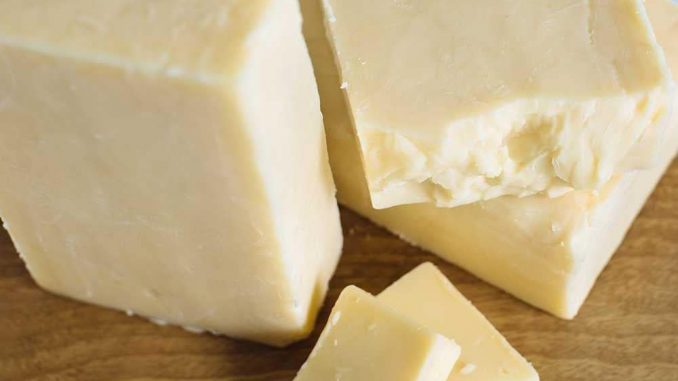
Cheddar cheese is more than just a staple in British kitchens; it is a culinary and cultural icon. From its humble beginnings in the rolling hills of Somerset to its place as one of the world’s most widely consumed cheeses, Cheddar has a rich story to tell. Its history is intertwined with Britain’s agricultural traditions, its uses span the simplest sandwich to haute cuisine, and its role in British life is as much social as it is gastronomic.
Origins and History
The name “Cheddar” comes from the village of Cheddar in Somerset, England, where the cheese originated over 800 years ago. The region’s mild climate, lush pastures, and plentiful dairy herds made it an ideal place for cheese-making. The earliest references to Cheddar date back to at least the 12th century, with records from King Henry II’s reign in 1170 showing that the royal household purchased more than 10,000 pounds of it.
What made Cheddar unique was not just its location but its method of production. The traditional “cheddaring” process — in which curds are cut, stacked, and turned to drain whey and develop texture — gave the cheese its firm body and distinctively sharp, nutty flavor. In medieval times, Cheddar was matured in the nearby Cheddar Gorge caves, where constant cool temperatures and high humidity created perfect aging conditions.
By the 19th century, the popularity of Cheddar had spread well beyond Somerset. The advent of rail transport allowed it to be shipped to London and other major cities, where it became a household favorite. Joseph Harding, a 19th-century Somerset dairyman, is often credited with modernizing Cheddar production by introducing standardized recipes, improving hygiene, and promoting the cheese internationally. His influence was so great that he is often called “the father of Cheddar cheese.”
The Evolution of Cheddar in Britain
Traditionally, Cheddar was made only in the West Country — counties such as Somerset, Dorset, Devon, and Cornwall. Today, Cheddar is produced all over Britain and in many parts of the world, including the United States, Canada, Australia, and New Zealand. However, only cheese made in the West Country to strict specifications can bear the label “West Country Farmhouse Cheddar,” protected by EU and UK law as a Protected Designation of Origin (PDO).
Industrialization in the late 19th and early 20th centuries allowed Cheddar to be made on a much larger scale, leading to mass-market production. While some purists lamented the decline of small farm-based cheesemaking, this expansion made Cheddar more affordable and accessible to the general public, ensuring its place as Britain’s most popular cheese.
Characteristics and Varieties
Cheddar’s flavor varies depending on its age, milk source, and production method. Young Cheddar (often called “mild”) has a creamy, buttery taste and smooth texture, making it ideal for melting. Mature Cheddar, aged 9 to 18 months, has a sharper, tangier flavor and crumbly texture. Extra-mature or vintage Cheddar, aged for two years or more, develops deep, complex flavors with hints of nuttiness and caramel.
While the traditional color of Cheddar is pale yellow, some varieties are dyed with annatto to produce a deep orange hue — a practice more common in North America than in Britain. British Cheddars tend to emphasize flavor over color, with many artisanal makers refusing to use coloring agents.
Culinary Uses
Cheddar is among the most versatile cheeses in the culinary world. Its excellent melting qualities make it a natural choice for hot dishes, while its robust flavor also shines in cold preparations.
Common uses include:
-
Sandwiches: A classic British cheese and pickle sandwich features slices of mature Cheddar with Branston pickle between crusty bread.
-
Ploughman’s lunch: This traditional pub meal includes a generous wedge of Cheddar alongside crusty bread, pickles, and salad.
-
Cooking: Cheddar is a star in cheese sauces, gratins, pies, and baked pasta dishes. Cauliflower cheese — a baked cauliflower dish in creamy Cheddar sauce — is a quintessential British comfort food.
-
Baking: Cheddar lends savory depth to scones, biscuits, and pastries.
-
Snacking: Cubes of Cheddar with apple slices or chutney make for a simple but satisfying treat.
Cheddar’s ability to complement a range of flavors — from sharp mustards to sweet chutneys and from crisp apples to malty beers — ensures its continued popularity in the British diet.
Role in British Life and Culture
Cheddar is not just food; it’s part of Britain’s identity. For many, its flavor evokes memories of family meals, pub lunches, and picnics in the countryside. In rural Somerset and Devon, local cheese fairs and festivals celebrate the tradition, drawing tourists and preserving cheesemaking heritage.
Economically, Cheddar has long been significant to Britain’s dairy industry. Its production supports dairy farmers, cheese makers, and related trades, especially in the West Country. Farmhouse Cheddar, in particular, is valued as an artisanal product that preserves traditional techniques in a modern economy.
Culturally, Cheddar even pops up in British humor and idioms. The phrase “the big cheese,” meaning someone important, emerged in the early 20th century, though its link to Cheddar specifically is debatable. Monty Python famously referenced Cheddar (and dozens of other cheeses) in their comedic “Cheese Shop” sketch, cementing its place in pop culture.
During wartime, Cheddar played a practical role in feeding the nation. In World War II, rationing led to the creation of “Government Cheddar,” produced in standardized factories to ensure a steady supply of protein to the population. While its quality was often criticized, it ensured that every household had access to cheese in difficult times.
The Modern Cheddar Landscape
In today’s Britain, Cheddar remains the top-selling cheese by a wide margin. Supermarkets stock a spectrum from mild, mass-produced blocks to premium farmhouse varieties. Meanwhile, artisanal producers continue to innovate, experimenting with raw milk, heritage breeds, and unique aging environments.
Cheddar also plays a role in Britain’s relationship with the wider world. As one of the UK’s most famous exports, it is a staple in international cheese counters. However, global production means that “Cheddar” can refer to very different cheeses depending on where you are — from the tangy, crumbly West Country style to the smoother, milder Canadian and American versions.
Environmental and ethical considerations are becoming more prominent in the Cheddar conversation. Consumers increasingly seek out local, organic, and grass-fed options, supporting sustainable farming practices. Some dairies are reducing plastic packaging or offering wax-coated Cheddar to minimize waste.
Cheddar as a Cultural Bridge
Perhaps the most remarkable thing about Cheddar is how it bridges the gap between tradition and modernity. It is as comfortable on a rustic farmhouse table as it is in a Michelin-starred dish. It has adapted to global tastes without losing its core identity. And in Britain, it continues to serve as a comforting constant in an ever-changing culinary landscape.
Whether eaten in a school lunchbox, served at a wedding buffet, or grated over a shepherd’s pie, Cheddar maintains a sense of familiarity. It connects generations — the same cheese a grandparent ate may well be enjoyed by their grandchildren today.
Cheddar cheese’s journey from the caves of Cheddar Gorge to supermarket shelves around the globe is a testament to its enduring appeal. Its history is steeped in tradition, its uses are as varied as the British palate itself, and its role in British life extends far beyond nourishment. Cheddar is a food of the people, versatile enough for everyday use yet distinguished enough for celebration.
In Britain, Cheddar is not merely a cheese — it is a symbol of heritage, resilience, and adaptability. From medieval royalty to wartime kitchens, from ploughman’s lunches to fine dining menus, it has been a constant companion in the nation’s story. Its continued relevance in the 21st century shows that some classics never go out of style — they simply get better with age.
Purchase Your Cheddar Cheese here.
[Please note we are an affiliate marketing partner and will make a sales commission if you purchase any items through our affiliate links. Please read our affiliate disclosure]

Leave a Reply