
Gene Duplication
Gene duplication is a significant evolutionary event where a segment of DNA, including one or more genes, is copied and inserted into the genome. This […]
Gene duplication is a significant evolutionary event where a segment of DNA, including one or more genes, is copied and inserted into the genome. This […]
What Counts as a Medical Device A medical device is broadly defined as any instrument, apparatus, implant, software, material, or other article intended by the […]

Baculoviruses, a family of large DNA viruses primarily infecting insects, have emerged as valuable tools in biotechnology with diverse applications. Among these, the Autographa californica […]
Digital twins in biotechnology refer to virtual replicas or models of biological entities, systems, or processes that are created using digital technologies. They are a […]
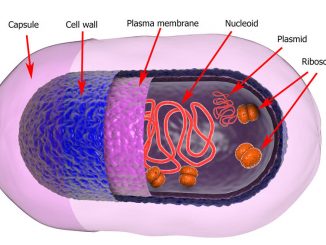
Plasmids are one of the most important factors in the success of biotechnology. The word plasmid was introduced by Joshua Lederberg in 1952 as the […]
Post-translational modification (PTMs) refers to a host of chemical modifications that occur on proteins after they have been synthesized from the ribosome. These modifications play […]
Community-scale metabolic modeling (CSMM) is a systems biology approach used to represent, simulate, and analyze the metabolic interactions among multiple organisms coexisting in a shared […]
Tryptophan is an essential aromatic amino acid that serves as a building block for proteins and a precursor for numerous biologically important molecules, including serotonin, […]
Aptamers, often referred to as “chemical antibodies,” are short, single-stranded DNA or RNA molecules that can bind to specific target molecules with high affinity and […]
Genome-scale flux models, also known as genome-scale metabolic models (GEMs) or genome-scale metabolic reconstructions, are computational representations of an organism’s metabolism at the genome scale. […]
Peptidomics is the large-scale study of endogenous peptides within biological systems. This field focuses on identifying, characterizing, and quantifying peptides (typically 2–50 amino acids long) […]
DNA kinases are enzymes that play crucial roles in the regulation of DNA-related processes by adding phosphate groups to specific substrates. This phosphorylation can alter […]
Genotyping, a key aspect of genetic analysis, involves the identification and characterization of genetic variations within an individual or a population. These variations can range […]
The Rop (Repressor of Primer) protein is a small, homodimeric protein found in bacteria, particularly in Escherichia coli. It plays a crucial role in the […]
Protein disulphide isomerase (PDI) plays a crucial role in post-translational modification (PTMs) of proteins, particularly those involving disulphide bonds. Disulphide bonds are covalent bonds formed […]
Genome sequencing is the process of determining the complete DNA sequence of an organism’s genome, encompassing all of its genes and non-coding regions. Since the […]
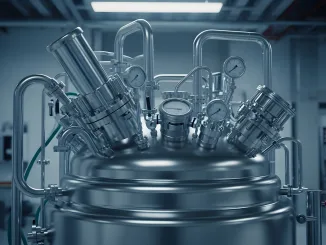
Precision fermentation is a biotechnology process that uses genetically engineered microorganisms (like yeast, bacteria, or fungi) to produce specific functional ingredients, such as proteins, enzymes, […]

If you want to grow mammalian and plant cells on a commercial scale, then businesses must provide the optimal environment for these cell to grow […]
Copyright © 2026 | WordPress Theme by MH Themes