
Lincomycin
Lincomycin is the prototypical member of a small but clinically important class of antibiotics known as the lincosamides, a group distinguished by their unique chemical […]
Lincomycin is the prototypical member of a small but clinically important class of antibiotics known as the lincosamides, a group distinguished by their unique chemical […]
Mycorrhizal fungi, long recognized for their ecological importance, are increasingly emerging as powerful tools in biotechnology, offering promising solutions to some of the most pressing […]
High-plex affinity-based proteomics refers to analytical platforms that enable the simultaneous measurement of hundreds to thousands of proteins in a single biological sample using affinity […]
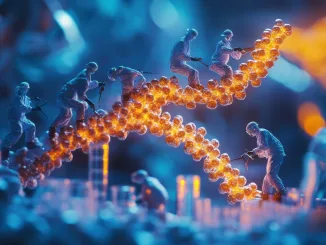
Precise manipulation of genetic material is a central requirement of modern biotechnology, underpinning advances in functional genomics, metabolic engineering, and synthetic biology. Early molecular cloning […]
Attenuation is a regulatory mechanism in prokaryotes that controls gene expression at the level of transcription elongation, rather than initiation (Fincham, 1983). It is a […]
Copy number in genetics refers to the number of copies of a particular DNA sequence—most commonly a gene or genomic region—present in a cell’s genome. […]
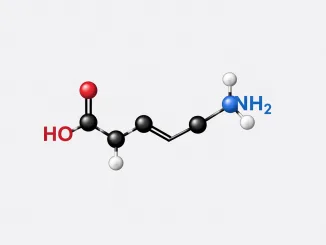
5-Aminolevulinic acid (5-ALA, often abbreviated simply as ALA) occupies a distinctive position at the intersection of fundamental biochemistry and applied biotechnology. It is a small, […]
Proteins are the primary functional molecules of the cell, carrying out structural, catalytic, regulatory, and signaling roles. While the amino acid sequence encoded by DNA […]
Lean manufacturing can be highly effective in biotechnology, but it must be adapted to the unique constraints of biological systems, strict regulatory oversight, and complex […]
Global transcriptional regulators are high-level regulatory proteins (usually transcription factors) that control the expression of large sets of genes across multiple pathways. Instead of regulating […]
Chromatography is one of the most important analytical and preparative techniques in chemistry, biotechnology, and materials science. Traditionally, chromatographic separations rely on packed beds of […]
The glutamine synthetase (GS) expression system is one of the most widely used and industrially proven platforms for the development of Chinese hamster ovary (CHO) […]

The sequencing revolution has transformed modern biology, leading to a vast increase in the number of protein sequences deposited in databases. While genome and transcriptome […]
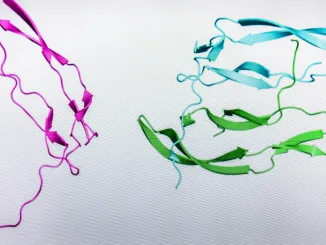
Proteins are the workhorses of biological systems, underpinning nearly every cellular process from catalysis and signaling to structural support and immune defense. Their extraordinary versatility […]

Cancer has long been understood as a disease of dysregulated cell growth, survival, and proliferation. While multiple paradigms exist to explain the complex processes that […]

The manufacture and purification of lactoferrin (LF), a multifunctional iron-binding glycoprotein primarily found in milk, involves several carefully controlled steps to ensure purity, bioactivity, and […]
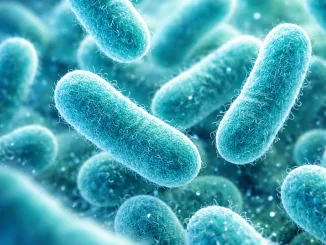
Bacillus clausii is a Gram-positive, rod-shaped, spore-forming bacterium widely recognized for its probiotic properties. Originally isolated from soil, it has gained significant attention in clinical, […]
Next Generation Protein Sequencing (NGPS) refers to a suite of emerging high-throughput technologies designed to determine the amino acid sequences of proteins at scale, analogous […]
The human genome encodes approximately 21,000 protein-coding genes, yet the actual number of unique protein species, or proteoforms, arising from these genes is vastly larger. […]
Combinatorial gene control refers to the regulation of gene expression by the coordinated action of multiple gene regulatory proteins, such as transcription factors and co-regulators, […]
Copyright © 2026 | WordPress Theme by MH Themes