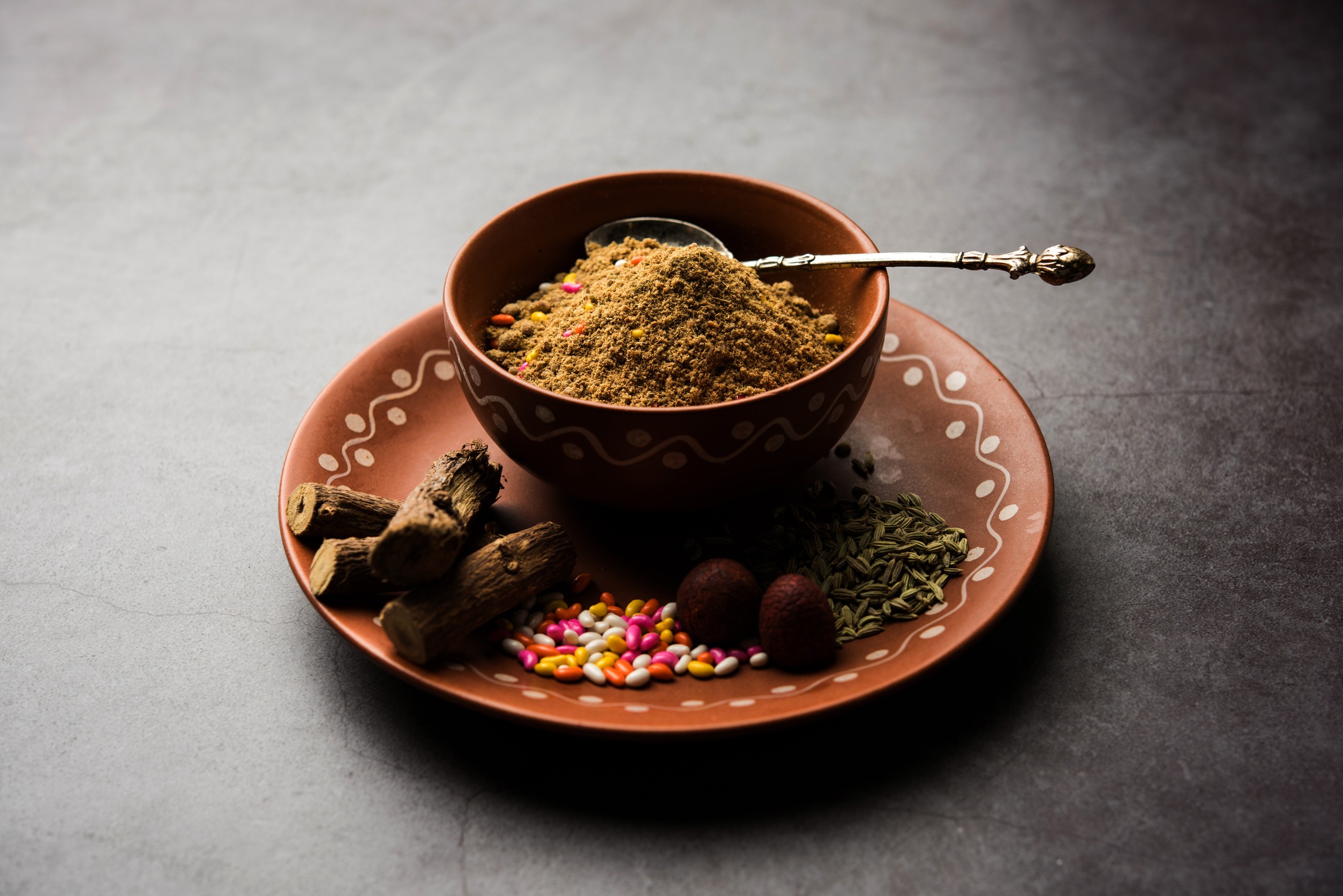
Puneri Masala Supari is a traditional Indian mouth freshener and digestive chew made primarily from areca nut (supari) and a blend of spices. Originating from Pune, Maharashtra, it’s known for its distinct masala flavor, spicy-sweet taste, and crunchy texture. It’s typically consumed after meals.
What Is Supari?
Supari refers to dried areca nut, which is commonly chewed across India. It can be plain, sweetened, coated, or spiced. In Puneri masala supari, the areca nut is chopped or thinly sliced, roasted or sun-dried, and mixed with a blend of flavorful Indian spices.
Common Ingredients in Puneri Masala Supari
The exact recipe may vary slightly, but it typically includes:
-
Chopped areca nut (supari)
-
Lime (chuna) – a traditional addition for taste and effect
-
Saunf (fennel seeds)
-
Cardamom
-
Clove
-
Black salt
-
Rock salt
-
Sugar powder or saccharin (optional)
-
Dry ginger powder (soonth)
-
Citric acid or amchur (dry mango powder)
-
Menthol or mint flavoring
These ingredients are blended to create a pungent, spicy, slightly tangy, and aromatic mix.
Taste Profile
-
Spicy and astringent, with a hit of cooling mint
-
Slight sweetness or saltiness, depending on recipe
-
Crunchy and dry, sometimes slightly powdery
Uses and Cultural Context
-
Eaten after meals as a digestive aid and mouth freshener
-
Often offered to guests in Maharashtrian homes
-
Sometimes included in paan (betel leaf wraps), but usually eaten on its own
-
Considered a nostalgic snack for many who grew up in Pune or Maharashtra
Health Notes
-
Areca nut has been linked to oral health risks and is considered carcinogenic when used regularly, especially in combination with tobacco or lime.
-
Though Puneri masala supari is usually non-tobacco, moderation is advised due to potential health risks associated with long-term use.
Availability
-
Found in local markets and grocery stores across Maharashtra.
-
Packaged versions available under brand names like Suhana, Laxminarayan, and homemade varieties sold in small pouches.
-
Increasingly available online.
Summary
| Feature | Details |
|---|---|
| Origin | Pune, Maharashtra (India) |
| Base Ingredient | Areca nut (supari) |
| Flavor Profile | Spicy, tangy, astringent, aromatic |
| Purpose | Mouth freshener, digestive aid |
| Traditional Use | After meals, during social gatherings |
| Health Consideration | Should be consumed in moderation; non-tobacco type |
If you’d like a recipe to make it at home or a list of popular brands, let me know!
Here’s a classic homemade recipe for Puneri Masala Supari, a spicy-salty Maharashtrian-style areca nut mix often enjoyed after meals:
Puneri Masala Supari – Homemade Recipe
Ingredients:
| Ingredient | Quantity | Notes |
|---|---|---|
| Dried areca nut (supari) | 1 cup | Thinly sliced or chopped (not powdered) |
| Black salt (kala namak) | 1 tsp | For tangy, umami flavor |
| Rock salt (sendha namak) | ½ tsp | Optional, for mineral taste |
| Fennel seeds (saunf) | 1 tsp | Slightly crushed or whole |
| Dry ginger powder (soonth) | ½ tsp | Adds heat and aids digestion |
| Cardamom powder (elaichi) | ½ tsp | Optional, for mild sweetness/aroma |
| Citric acid (nimbu satva) | ¼ tsp | OR use ½ tsp amchur (dry mango powder) |
| Clove powder | ¼ tsp | Optional, for spiced warmth |
| Mint powder or menthol | ¼ tsp (or 1 crushed crystal) | Cooling effect |
| Sugar powder or saccharin | 1–2 tsp | To balance flavors (adjust to taste) |
| Food-grade edible lime (chuna) | ⅛ tsp | Optional; very small amount |
Optional:
-
A few drops of peppermint extract (instead of menthol)
-
A pinch of ajwain (carom seeds) for added digestive aid
Method:
-
Dry-roast the chopped or sliced supari in a heavy pan for 1–2 minutes on low heat, just until it smells nutty and loses moisture. Do not over-roast.
-
Let it cool completely.
-
In a mixing bowl, combine the roasted supari with all the powders and salts.
-
Mix thoroughly so that all pieces are evenly coated.
-
Taste and adjust salt, sweetener, or citric acid if needed.
-
Store in an airtight glass jar.
Storage:
-
Keep in a cool, dry place.
-
Lasts 2–3 months if stored well.
Notes:
-
This is a non-tobacco, traditional version.
-
The edible lime (chuna) is optional and should be used with extreme caution due to its alkalinity. Most homemade versions skip it for safety.
-
If you don’t have menthol or mint powder, dry mint leaves (pudina) can be crushed and added.
How to Use:
-
Enjoy a small pinch (½ tsp) after meals.
-
Can also be used in homemade paan or as part of a mouth freshener tray.
Related Posts
 How to Prepare a Curry Powder (Masala)
A good quality curry powder or kari ka masala is easily made at home. It…
- Chaat Masala
Chaat masala has a very distinctive flavour and competes with garam masala as a suitable…
 How to Prepare Bassar Curry Powder/Bassar Curry Masala
Here is a recipe for Bassar (Basar) Curry powder or masala. The key difference is…
 Cheese Masala Dosa
The cheese masala dosa = a South Indian classic filled with spicy potato masala and…
Leave a Reply