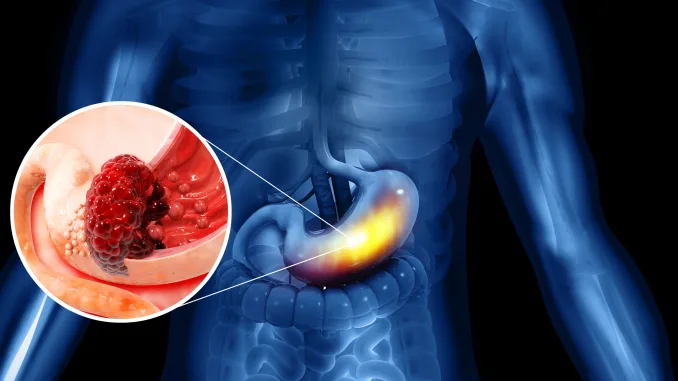
Helicobacter pylori (HP) is:-
- A microaerophilic bacterium
- Gram-negative
- Spiral-shaped
It colonizes the human gastric epithelium.
Infection by H. pylori is one of the most common aetiological agents of many diseases of the gastrointestinal tract, including non-ulcer dyspepsia, peptic ulcer, gastritis which is usually chronic, and gastric cancer (gastric carcinoma) (Jung et al., 2015; Mansour-Ghanaei et al., 2015; Paydas, 2015). It is generally a risk factor to varying degrees for all sorts of gastric malignancies.
H. pylori is claimed to infect at least half of the global population. The reported prevalence in China is 56.22% (Nagy et al., 2016).
The pathogenicity of H. pylori is mediated by multiple virulence factors. These include urease activity, flagellar motility genes (flaA and flaB), adhesins such as alpA, alpB, and babA, and cytotoxins like VacA and CagA. All of these multiple virulence factors contribute to bacterial colonization, immune evasion, and the induction of inflammation (Ali and AlHussaini, 2024, Gu, 2017, Salama et al., 2013).
It is also helped in infection by forming effective and robust biofilms on mucosal surfaces. These reduce efficacy of drugs by forming almost impenetrable barriers through shielding of the bacteria from any antibiotics and the defence mechanisms of the host.
The best treatments rely on a strategy of many drugs including a proton pump inhibitor and combination of two or more antibiotics. The antibiotics most often used are clarithromycin (CLA), amoxicillin (AMX) and metronidazole (MTZ) or tetracycline (TET) (Nagahara et al., 2000; Chaabane-Al-Adhba, 2015). Antibiotic treatment is 90% effective, expensive to health agencies and causes side effects as well as adding to the potential for antibiotic resistance.
Despite the widespread use of combination antibiotic therapy, emerging multidrug resistance, treatment failures, and poor patient compliance have greatly limited the efficacy of current regimens. This has highlighted an urgent need for novel therapeutic strategies that are safe, effective, and able to circumvent resistance mechanisms (Ali & AlHussaini, 2024).
Probiotics are being explored more routinely in clearing or dealing with H. pylori. Probiotics have an in vitro inhibitory effect, can reduce H. pylori associated gastric inflammation in animals, improve H. pylori associated gastritis and also the side effects associated with treatment of H. pylori infection in a chronic and acute sense (Lesbros-Pantoflickova et al., 2007).
References
Chaabane, N.B., Al-Adhba, H.S. (2015) Ciprofloxacin-containing versus clarithromycin-containing sequential therapy for Helicobacter pylori eradication: a randomized trial. Indian J. Gastroenterol. 34 pp. 68–72.
Jung, S.W., Thamphiwatana, S., Zhang, L., Obonyo, M. (2015) Mechanism of antibacterial activity of liposomal linolenic acid against Helicobacter pylori. PLoS One 10:e0116519
Lesbros-Pantoflickova, D., Corthesy-Theulaz, I., Blum, A.L. (2007) Helicobacter pylori and probiotics. J Nutr. 137 pp. 812S-8 .
Mansour-Ghanaei, F., Joukar, F., Mojtahedi, K., Sokhanvar, H., Askari, K., Shafaeizadeh, A. (2015) Does treatment of Helicobacter pylori infection reduce gastric precancerous lesions? Asian Pac J Cancer Prev. 16 pp. 1571–1574
Nagahara, A., Miwa, H., Ogawa, K., Kurosawa, A., Ohkura, R., Iida, N., Sato, N. (2000) Addition of metronidazole to rabeprazole–amoxicillin–clarithromycin regimen for Helicobacter pylori infection provides an excellent cure rate with five-day therapy. Helicobacter 5 pp. 88–93.
Paydas, S. (2015) Helicobacter pylori eradication in gastric diffuse large B cell lymphoma. World J. Gastroenterol. 21 pp. 3773–3776.


Leave a Reply