Cheerios is one of the most enduring and widely recognized breakfast cereal brands in the world, with a history that spans more than eight decades and a portfolio that has evolved continually to meet changing consumer tastes and nutritional trends. Introduced in the United States on May 1, 1941, by General Mills, the cereal was originally named Cheerioats to emphasize its whole-grain oat base, a relatively novel ingredient in ready-to-eat breakfast cereals at the time. Shortly after its launch, however, competitor Quaker Oats asserted trademark rights over the word “oats,” prompting General Mills to shorten the product name to Cheerios in 1945. The brand has retained the iconic name and trademark “O” shape ever since, becoming synonymous with wholesome, oat-based breakfast fare.
From those early days, Cheerios has been defined by simplicity of ingredients and versatility of use. The original cereal consists of pulverized whole-grain oats extruded into small torus-shaped pieces that toast to a light, crunchy texture. Because oats are the primary ingredient and provide soluble fiber, the brand has long been associated with potential heart-health benefits; the soluble fiber in Cheerios can contribute to lowering cholesterol as part of a balanced diet low in saturated fat and cholesterol.
Historical Development and Brand Expansion
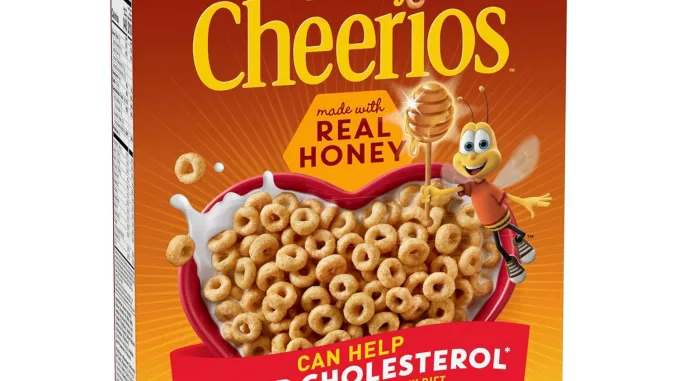
Cheerios’ evolution from a single-product offering to a broad family of cereal variants reflects broader shifts in consumer preferences toward greater flavour variety and perceived health benefits. The first significant extension beyond the classic original came in 1976 with Cinnamon Nut Cheerios, introduced as a test flavour, and slightly later in 1979 with the launch of Honey Nut Cheerios. The latter proved especially successful: in its first year on the market, General Mills sold approximately 1.8 million cases, and decades later Honey Nut Cheerios frequently ranks among the top-selling cereals in the United States.
Over the following decades, the brand introduced dozens of additional product variants, aiming to appeal to consumers seeking sweeter profiles, fruit tastes, or different textures. These have included Apple Cinnamon Cheerios in the late 1980s, Frosted Cheerios in the mid-1990s, and Fruity Cheerios in the mid-2000s. Many variants have come and gone or returned in limited-edition runs at various times, such as Fruity Cheerios (originally produced from 2006 to 2021 and relaunched in 2024), Oat Cluster Crunch Cheerios, and Banana Nut Cheerios. Other notable limited-edition flavours have included Chocolate Cheerios, Peach Mango Cheerios, and Frosted Lemon Cheerios.
The brand’s agility in responding to market trends has also seen it explore high-protein and texturally differentiated products in the 2020s. For example, Cheerios Protein variants — including cinnamon, strawberry, and cookies-and-creme flavours — have been introduced to appeal to consumers seeking additional daily protein in cereal form, a departure from the brand’s traditionally low-fat, heart-health-oriented positioning. Products emphasizing clusters of oats or multigrain bases, like Cheerios Oat Crunch lines, also reflect interest in texture and whole-grain content.
Regional Variations and Licensing
While General Mills produces and markets Cheerios directly in the United States and Canada, the brand’s international reach is accomplished through partnerships and regional licensing. In Europe and Mexico, for example, Cheerios is marketed by Cereal Partners under the Nestlé brand, often with formulations that emphasize a multigrain profile and local nutritional standards. In Australia and New Zealand, Cheerios products are sold under the Uncle Tobys brand, reflecting regional consumer recognition and distribution arrangements.
Across markets such as the United Kingdom, Cheerios has been positioned as a multigrain, high-fibre cereal made not only from oats but also from wheat and barley, with marketing campaigns highlighting its nutritional attributes including fibre, vitamins, and minerals. Recent product innovations, such as Very Berry Cheerios, incorporate real fruit puree and no artificial colours or flavours to appeal to families looking for a balance of taste, nutrition, and simple ingredients.
In the UK specifically, Cheerios is often sold as a multigrain breakfast cereal with variants such as standard Multigrain Cheerios, Honey Cheerios, and the newer Very Berry Cheerios. These products are positioned not just as breakfast cereals but as versatile morning meal options that provide fibre, essential micronutrients, and a choice of flavour profiles to suit different tastes and dietary priorities.
Current Portfolio and Variants
Today’s Cheerios portfolio is broad, with offerings that range from the classic and familiar to innovative takes on the cereal category. Core products include:
-
Original Cheerios: The classic oat-based cereal that started the brand, known for its simple ingredient list and heart-health positioning.
-
Honey Nut Cheerios: A sweeter, honey-flavoured version that has become a perennial bestseller.
-
Apple Cinnamon Cheerios: A spiced variation adding warm apple and cinnamon notes.
-
Fruity Cheerios: A fruit flavoured cereal with a lighter sweetness, recently relaunched after earlier success.
-
Multigrain Cheerios: Particularly prominent in international markets, combining oats, wheat, and barley for a different nutritional profile.
-
Very Berry Cheerios: A recent addition blending whole grains with real berry puree.
-
Protein Cheerios: Higher-protein formulations designed to meet modern nutritional demands, available in flavours such as cinnamon, strawberry, and cookies & creme.
-
Oat Crunch and Other Textured Variants: Cereals that add oats clusters or multigrain blends for more robust texture and flavour.
In addition to these core lines, the brand has historically offered numerous limited-edition and seasonal flavours — from toasted coconut to tropical fruit blends — often testing consumer appetite for new profiles before determining which to maintain in regular production. Some beloved flavours have been discontinued over time, such as Honey Nut Cheerios Medley Crunch and Chocolate Peanut Butter Cheerios, much to the disappointment of fans; these were removed from production in 2025 as part of ongoing portfolio optimisation.
Brand Positioning and Market Impact
Throughout its history, Cheerios has maintained a strong position in the breakfast category by balancing consistent core values with product innovation. It has long been marketed around themes of nutrition, simplicity, and family appeal, with campaigns stressing whole-grain oats and heart-healthy benefits. Its shape and mild flavour profile make it a staple for all ages, including as an early solid food for infants due to its easy-to-grasp pieces and simple composition.
Internationally, the brand adapts to regional tastes — for example, emphasising multigrain blends or fruit inclusions — while retaining its central identity as a cereal that can be part of a balanced morning routine. Cheerios’ enduring presence in global markets, supported by sustained marketing campaigns and periodic packaging refreshes, demonstrates its ability to remain relevant even as breakfast habits and consumer expectations evolve.
From a single oat-based cereal launched in the early 1940s, Cheerios has grown into a multifaceted brand that stands for both tradition and innovation in the breakfast aisle. Its development reflects broader trends in consumer preferences — from increased interest in heart-healthy foods to demand for variety and higher protein options — while its global distribution underscores its adaptability to diverse markets. With a portfolio that continues to evolve and a heritage rooted in simple whole grains, Cheerios remains a cornerstone of cereal culture worldwide.
Stand-Out Products
[1] Honey Nut Cheerios, Heart Healthy Gluten Free Breakfast Cereal with Whole Grain Oats
Click On This Link To Purchase The Product.


Leave a Reply