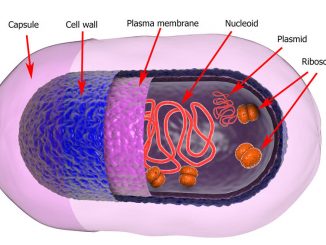
Plasmids – Essential In Biotechnology
Plasmids are one of the most important factors in the success of biotechnology. The word plasmid was introduced by Joshua Lederberg in 1952 as the […]
Plasmids are one of the most important factors in the success of biotechnology. The word plasmid was introduced by Joshua Lederberg in 1952 as the […]

Streptomyces coelicolor is a bacterium belonging to the genus Streptomyces, which is known for its ability to produce a wide range of secondary metabolites, including […]
Cell line development is a process by which the cellular machinery is used to manufacture therapeutic biologics and other proteins of interest. Introduction Tissue from […]
Post-translational modification (PTMs) refers to a host of chemical modifications that occur on proteins after they have been synthesized from the ribosome. These modifications play […]

Mammalian cell expression refers to the process of introducing and expressing foreign genes or proteins in mammalian cells. Mammalian cells, such as human embryonic kidney […]
The manufacture of L-tryptophan, an essential amino acid, using microbial fermentation involves the utilization of microorganisms to produce and accumulate L-tryptophan through metabolic pathways and […]
Microbial fermentation is a metabolic process employed by microorganisms to convert organic compounds into simpler molecules, such as pyruvate. Pyruvate is a key intermediate in […]
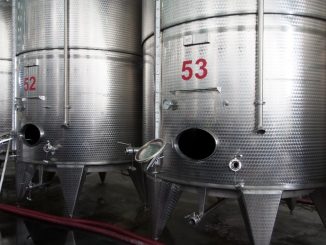
When we think about fermentation design we are considering what the properties are that makes for the ideal fermenter. Fermentation is primarily about supporting growth of […]
The unfolded protein response (UPR) is a cellular stress response mechanism that is activated when the endoplasmic reticulum (ER) in a cell is overwhelmed by […]
Size-exclusion chromatography (SEC), also known as gel filtration chromatography, is a widely used analytical technique in the field of biochemistry, biotechnology, and pharmaceutical sciences. It […]
Rhodotorula toruloides is a yeast species that has gained increasing attention as a bio-oil producing microorganism in recent years. Bio-oil, also known as pyrolysis oil […]
Bacteriolytic enzymes, such as lysostaphin, have been proposed as potential alternatives to antibiotics for the treatment of bacterial infections. These enzymes work by breaking down […]

Nanofiltration (NF) is a membrane separation technology that is used extensively in biochemical engineering for the separation, purification, and concentration of biomolecules and other compounds. […]
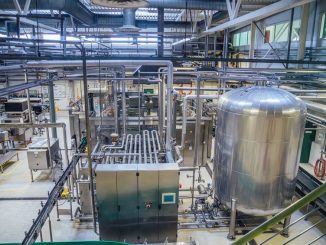
Costing the engineering of microbes especially for what is now called precision fermentation is a topic of considerable interest to anyone embarking on defined protein […]
Antimicrobial peptides (AMPs) produced by Bacillus species are a fascinating and diverse group of molecules that have garnered significant attention in the fields of microbiology, […]
Sensitivity analysis is a powerful tool used in bioprocess engineering to evaluate the sensitivity of a bioprocess model to changes in input parameters. It helps […]
Antimicrobial peptides are viewed as the latest weapon against bacteria especially in preserving food as well as possibly having extensive clinical benefits in fighting bacterial […]
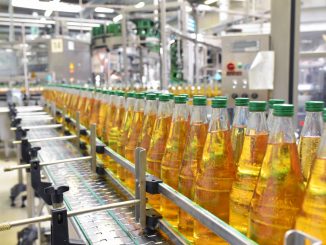
Food quality and nutrition offer plenty of commercial opportunities for the producer of food processing enzymes simply because these proteins are ubiquitous, wide-ranging in scope […]
The kinetics of cell growth and generation of products is one of the important features of monitoring a fermentation and helps to explain the functioning […]
The ABE fermentation is an acronym for acetone-butanol-ethanol fermentation. This particular fermentation is extremely well studied and was one of the first to be examined […]
Copyright © 2026 | WordPress Theme by MH Themes