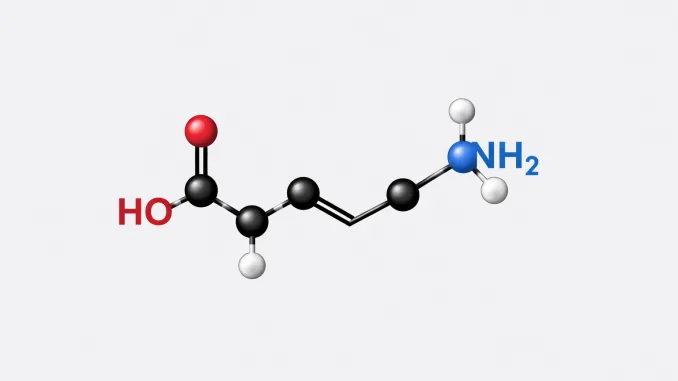
5-Aminolevulinic acid (5-ALA, often abbreviated simply as ALA) occupies a distinctive position at the intersection of fundamental biochemistry and applied biotechnology. It is a small, non-proteinogenic amino acid, yet it serves as the universal precursor for all tetrapyrrole compounds, a class of molecules that includes some of the most biologically indispensable cofactors known, such as heme, chlorophyll, bacteriochlorophyll, siroheme, and cobalamin-related intermediates. Because tetrapyrroles underpin respiration, photosynthesis, nitrogen and sulfur metabolism, and diverse signaling processes, ALA is indirectly essential to life across bacteria, archaea, plants, and animals. Beyond its central metabolic role, the unique biochemical properties of ALA and its downstream metabolites have been harnessed in biotechnology, medicine, agriculture, and environmental applications, making it an unusually versatile molecule for both basic science and industrial exploitation.
From a chemical standpoint, 5-aminolevulinic acid is a five-carbon molecule containing both an amino group and a carboxylic acid, as well as a ketone functionality. Unlike the standard α-amino acids that are incorporated into proteins, ALA is classified as a δ-amino acid and is not directly encoded by the genetic code. Its biological importance arises not from incorporation into macromolecules, but from its role as a metabolic building block. Two molecules of ALA condense to form porphobilinogen, the first pyrrole ring in tetrapyrrole biosynthesis. This single step commits carbon and nitrogen into a pathway that ultimately generates complex macrocyclic structures capable of binding metal ions and mediating redox chemistry, light absorption, and electron transfer.
In biochemistry, ALA biosynthesis occurs through two evolutionarily distinct pathways. In animals, fungi, and some bacteria, ALA is synthesized via the so-called C4 or Shemin pathway. In this route, ALA is formed in the mitochondrial matrix from glycine and succinyl-CoA in a reaction catalyzed by ALA synthase (ALAS), a pyridoxal phosphate–dependent enzyme. This reaction represents the rate-limiting step of heme biosynthesis in animals and is therefore tightly regulated. The reliance on succinyl-CoA links heme production directly to the tricarboxylic acid cycle, ensuring coordination between cellular energy metabolism and the synthesis of heme for cytochromes and other hemoproteins.
In contrast, plants, algae, and most bacteria employ the C5 pathway, also known as the glutamate pathway. Here, ALA is derived from glutamate through a three-step process involving glutamyl-tRNA synthetase, glutamyl-tRNA reductase, and glutamate-1-semialdehyde aminotransferase. This pathway underscores an elegant evolutionary solution in photosynthetic organisms, directly connecting ALA production to nitrogen assimilation and chlorophyll biosynthesis. Because chlorophyll synthesis requires massive flux through the tetrapyrrole pathway, particularly in developing leaves, regulation of ALA formation in plants is critical for avoiding the accumulation of phototoxic intermediates.
Once synthesized, ALA enters a highly conserved sequence of enzymatic transformations leading to tetrapyrrole formation. Two ALA molecules condense via ALA dehydratase to form porphobilinogen, four porphobilinogen units polymerize to yield hydroxymethylbilane, and subsequent cyclization and modification steps generate uroporphyrinogen III. From this branch point, the pathway diverges to produce heme, chlorophylls, siroheme, and related compounds, depending on the organism and cellular context. The universality of these steps highlights the ancient evolutionary origin of tetrapyrrole metabolism and underscores ALA’s role as a metabolic linchpin.
In animal biochemistry, the significance of ALA is most evident in heme biosynthesis. Heme serves as the prosthetic group of hemoglobin and myoglobin, enabling oxygen transport and storage, and is also integral to cytochromes involved in oxidative phosphorylation and detoxification reactions. Dysregulation of ALA metabolism has clinical consequences. Deficiencies or mutations in enzymes downstream of ALA synthesis can lead to porphyrias, a group of metabolic disorders characterized by accumulation of porphyrin intermediates. In some forms of porphyria, elevated ALA levels themselves are neurotoxic, illustrating that while ALA is essential, its concentration must be tightly controlled.
In plants and photosynthetic microorganisms, ALA’s importance is amplified by its role in chlorophyll biosynthesis. Chlorophyll molecules are tetrapyrroles with a central magnesium ion, structurally related to heme but functionally distinct. The capacity of chlorophyll to absorb visible light and drive photochemical charge separation underlies nearly all primary productivity on Earth. Consequently, ALA synthesis in plants is one of the most highly regulated metabolic processes, responsive to light, developmental stage, and environmental stress. Excessive ALA or downstream intermediates can generate reactive oxygen species under illumination, causing photobleaching and cellular damage. This delicate balance has been exploited in both experimental plant biology and applied agriculture.
Beyond its endogenous roles, ALA has attracted significant interest as a biotechnological tool and commercial product. One of its most prominent applications is in photodynamic therapy (PDT) and photodynamic diagnosis (PDD). When exogenously supplied to cells, ALA bypasses the regulated first step of heme biosynthesis, leading to intracellular accumulation of protoporphyrin IX, a strongly fluorescent and photosensitizing compound. In medical contexts, this property has been leveraged to visualize tumors and to selectively destroy cancerous or precancerous cells upon exposure to specific wavelengths of light. Because rapidly proliferating or metabolically altered cells often accumulate higher levels of protoporphyrin IX from ALA, a degree of selectivity can be achieved, reducing damage to surrounding healthy tissue.
The use of ALA in medicine exemplifies how a deep understanding of biochemical pathways can be translated into therapeutic strategies. ALA-based photodynamic approaches are now used in dermatology for actinic keratosis and certain skin cancers, in neurosurgery to improve visualization of malignant gliomas, and in urology for bladder cancer diagnosis. These applications rely on ALA’s favorable pharmacokinetics, its endogenous nature, and the predictable enzymatic conversion into a diagnostically and therapeutically useful metabolite.
In biotechnology and industrial microbiology, ALA has been explored both as a target product and as a metabolic intermediate to be manipulated. Microbial production of ALA through fermentation has been developed using engineered strains of bacteria such as Escherichia coli and Corynebacterium glutamicum. By enhancing flux through the C4 or C5 pathways, optimizing precursor supply, and relieving feedback inhibition, researchers have achieved commercially viable yields of ALA. Biotechnologically produced ALA is valued not only for medical use but also for agricultural applications.
In agriculture, ALA has been marketed as a plant growth regulator and biodegradable herbicide. At low concentrations, exogenous ALA can stimulate chlorophyll synthesis, enhance photosynthetic efficiency, and promote plant growth. At higher concentrations, however, it induces accumulation of phototoxic tetrapyrrole intermediates, leading to oxidative damage and plant death under light exposure. This dual effect has enabled the development of ALA-based herbicidal formulations that are considered environmentally benign compared to many synthetic herbicides, as ALA is rapidly metabolized and does not persist in ecosystems.
The environmental compatibility of ALA extends to other areas of biotechnology. Because tetrapyrroles are involved in microbial processes such as nitrogen fixation and sulfur metabolism, manipulating ALA availability can influence microbial community function. There is ongoing research into using ALA and related pathway engineering to enhance bioenergy production, for example by improving photosynthetic efficiency in algae or optimizing heme-dependent enzymes in microbial fuel cells.
From a systems biology perspective, ALA serves as an exemplary model for studying metabolic regulation. Its synthesis is tightly controlled at transcriptional, translational, and post-translational levels, reflecting the potentially toxic nature of downstream intermediates. Feedback inhibition by heme, compartmentalization of enzymes, and coordinated regulation with central carbon and nitrogen metabolism all converge on ALA production. These features make the ALA node an attractive target for metabolic engineering, but also a challenging one, as perturbations can easily lead to growth defects or oxidative stress.
In evolutionary terms, the centrality of ALA to tetrapyrrole biosynthesis provides insights into early metabolism. Tetrapyrroles are thought to have been among the earliest cofactors to evolve, enabling primitive life forms to exploit redox chemistry and light energy. The existence of two distinct ALA biosynthetic pathways suggests ancient divergence and adaptation to different metabolic contexts, yet the convergence on ALA as a universal precursor highlights strong evolutionary constraints. Studying ALA metabolism therefore contributes to our understanding of how complex biochemical networks emerged and diversified.
In summary, 5-aminolevulinic acid is far more than a simple metabolic intermediate. It is the gateway molecule to tetrapyrrole biosynthesis, underpinning essential processes such as respiration, photosynthesis, and cellular redox control. Its production and utilization are tightly regulated in all domains of life, reflecting both its indispensability and its potential toxicity. At the same time, these very properties have made ALA an attractive molecule for biotechnological innovation, from medical diagnostics and therapy to sustainable agriculture and industrial fermentation. The study and application of ALA exemplify how fundamental biochemical knowledge can be translated into practical technologies, while continued research into its metabolism promises further insights into both life’s molecular foundations and its technological harnessing.

Leave a Reply