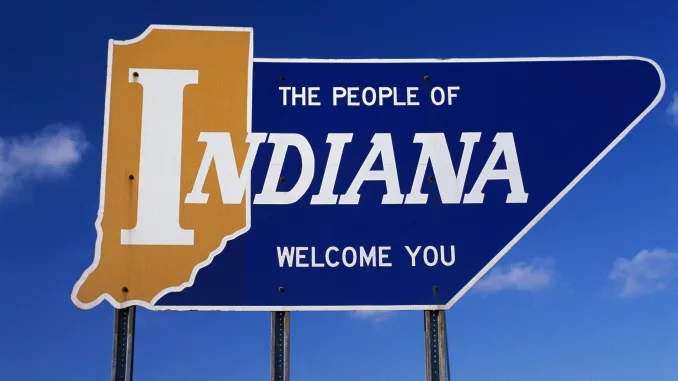
I’m currently watching Stranger Things and knowing that I am already behind the times when it comes to this particular series. I noticed a few brands and food types really did belong to the mid-80s so it seemed worthwhile considering what was being consumed in those days.
In this world of Stranger Things—a fictional Hawkins, Indiana of the early–mid 1980s—the food and drink landscape reflects exactly what many American families were eating during that era: hearty, convenience-driven, often processed, and unmistakably nostalgic. It was a decade when microwaves were becoming household staples, packaged snacks dominated supermarket aisles, and sugary cereals and neon-bright beverages shaped childhood diets.
In family kitchens, dinners tended to be simple, comforting, and efficient. Casseroles—especially tuna casserole, turkey tetrazzini, or anything bound together with Campbell’s cream-of-mushroom soup—were common weeknight meals. Meatloaf, Salisbury steak, sloppy joes, and pot roast all made regular appearances on dinner tables and in TV trays. Frozen foods had firmly taken hold: Swanson TV dinners, Banquet fried chicken, Stouffer’s lasagna, and Birds Eye vegetables were seen as modern domestic helpers. Many households embraced boxed meal kits such as Hamburger Helper or Kraft Macaroni & Cheese, emphasizing convenience over culinary complexity.
Breakfast for kids tended to revolve around sugary cereals and toaster pastries. Brands like Wheaties, Cheerios, Lucky Charms, Froot Loops, and Cinnamon Toast Crunch were breakfast icons, advertised nonstop during Saturday morning cartoons. Pop-Tarts, Eggo waffles (immortalized by Eleven), and instant oatmeal packets made mornings fast and kid-friendly. Adults often leaned toward drip coffee from a Mr. Coffee machine and maybe a muffin or simple eggs-and-bacon breakfast on weekends.
Snacks were perhaps the most defining food category of the 1980s. Supermarket shelves were loaded with brightly packaged treats: Hostess Twinkies, Ring Dings, Ding Dongs, Ho Hos, Popcorn Balls, Pringles, Doritos (especially Nacho Cheese, which took off in the late ’70s and defined the ’80s), and Planters Cheese Balls. Candy bars such as Reese’s Pieces, Butterfingers, 3 Musketeers, and, of course, the short-lived but now iconic Marathon bar all had their moment. Kids might also reach for Fruit Roll-Ups, Gushers, or Jell-O Pudding Pops—frozen or lunchbox staples that embodied the decade’s love of novelty.
Soft drinks dominated the beverage landscape. Coca-Cola and Pepsi were already battling fiercely, but the 1980s introduced new obsessions like Mountain Dew, Dr Pepper, and later, Cherry Coke. New Coke’s brief and disastrous debut in 1985 is era-defining, and Stranger Things even references it directly. For kids, Hi-C, Capri Sun (a brand I worked on briefly), Kool-Aid with its hyper-sweet flavors, and neon-colored sports drinks like Gatorade filled fridges and brown-bag lunches. Adults often reached for instant coffee, domestic beer (think Miller Lite, Budweiser, Coors), or wine coolers—bartles & Jaymes or Seagram’s—especially as the decade moved toward a more casual drinking culture.
Out-of-home eating shaped the social fabric of the 1980s just as much as home cooking. Malls were cultural hubs, and food courts offered pizzas, pretzels, Chinese-American staples, and frozen yogurt. Chain restaurants were booming: Pizza Hut with its red cups and pan pizzas, McDonald’s with its Happy Meals, Wendy’s with its freshly cooked burgers, and KFC buckets for family nights. Local diners—like the ones often depicted in Stranger Things—served burgers, fries, milkshakes, and bottomless coffee in classic Midwestern fashion.
Altogether, the food and drink of the era combined convenience, indulgence, and a rising fascination with branded and packaged foods. In Stranger Things, the characters move through a world of Eggo waffles, canned meals, fast food wrappers, and supermarket snacks—exactly the culinary landscape that defined American childhood and suburban life in the 1980s.


Leave a Reply