What Are Black Limes?
Black limes are whole limes that have been boiled in salted water and then dried in the sun until they shrink, harden, and turn dark brown or black. They are intensely aromatic, with a sharp citrus acidity balanced by earthy, smoky, and slightly fermented undertones. Unlike fresh limes, black limes are not juicy but brittle, almost hollow inside, with a brittle shell and crumbly interior. When cracked or ground, they release a uniquely fragrant flavour that has become a staple in Middle Eastern and Persian Gulf cuisine.
They are sometimes referred to as loomi (in Arabic), noomi basra (in Iraqi Arabic, meaning “limes from Basra”), or limoo amani (in Persian). Their complex flavour makes them one of the most distinctive seasonings in Middle Eastern cooking, though they remain relatively unknown in Western kitchens until recently.
[Please note we are an affiliate marketing partner and will make a sales commission if you purchase any items through our affiliate links. Please read our affiliate disclosure]
If you want to purchase black limes then click on these links:-
How Black Limes Are Prepared
1. Selecting the Limes
Black limes are usually made from small, thin-skinned limes. In the Persian Gulf and Iran, people often use Omani limes, which are naturally tart and aromatic. Key limes (the same type used in pies) are also commonly used in home preparations. The lime should be firm, unblemished, and fresh to withstand the drying process.
2. Boiling the Limes
The fresh limes are placed in salted boiling water for about 5–10 minutes. This blanching process serves multiple purposes:
-
It kills bacteria and halts enzymatic activity.
-
It infuses the lime with a slight salty taste.
-
It softens the peel, making it more porous and better suited for drying.
The amount of salt varies, but it’s usually about 1–2 tablespoons per liter of water. Some recipes add turmeric to enhance preservation and color.
3. Drying in the Sun (Traditional Method)
After boiling, the limes are drained and spread out in full sunlight. In hot, arid regions such as southern Iraq, Oman, or Iran, they dry naturally within two to three weeks. During this time, they gradually lose moisture, shrivel, and change color from bright green to golden brown, and finally to black. The interior becomes dry, crumbly, and aromatic.
The process relies on intense sunlight and low humidity. This is why black limes historically developed in desert regions, where natural drying was efficient.
4. Modern Drying Alternatives
In less sunny climates, ovens or dehydrators can replicate the drying process. After boiling, the limes can be dried at low temperatures (50–60°C / 120–140°F) for several hours to days. This is less traditional, but it works when outdoor sun-drying isn’t possible.
5. Storing Black Limes
Once fully dried, black limes are stored in airtight containers. Whole black limes last for months, even years, without spoiling. Ground black lime powder, however, should be used within a few weeks because it loses its aroma more quickly.
How Black Limes Are Used in Cooking
Black limes are versatile, used both whole and ground, and they contribute flavour in two main ways: infusion and seasoning.
1. Whole Black Limes in Stews and Soups
Traditionally, cooks pierce the skin of the dried lime with a fork or knife before dropping it into a stew or soup. As it simmers, the lime releases its sharp, tangy essence into the broth, balancing richness with acidity. This method is especially common in Persian khoresh (braised stews) and Iraqi meat dishes.
Famous dishes include:
-
Khoresh-e ghormeh sabzi (Persian herb stew with lamb or beef) – black limes are simmered alongside kidney beans and herbs.
-
Khoresh-e gheymeh (split pea stew with meat and tomato) – black limes balance the richness of fried potatoes and tomato base.
-
Iraqi samak masgouf (grilled fish) – sometimes served with a broth infused with black lime.
2. Ground Black Lime Powder
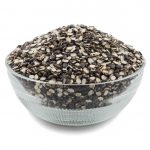
Crushed or ground black limes are used as a seasoning in spice blends or sprinkled over finished dishes. Powdered black lime has a zesty tang, less fresh than citrus juice, but more complex and slightly smoky.
Common uses include:
-
Sprinkling on rice pilafs for brightness.
-
Mixing into kebabs and grilled meats.
-
flavouring salads and roasted vegetables.
-
Adding to soups or lentil dishes for a sour, earthy kick.
3. Black Lime Tea and Drinks
In Gulf countries, black lime is sometimes steeped in hot water with sugar and cardamom to make a tangy, refreshing tea. This beverage was traditionally valued for its digestive benefits and cooling effect in hot weather.
4. Fusion and Modern Uses
Recently, chefs outside the Middle East have embraced black limes. They appear in:
-
Cocktails, where black lime powder replaces citrus zest.
-
Pickles and chutneys, paired with chili and garlic.
-
Desserts, where black lime adds unexpected depth to chocolate or custards.
The Cultural and Historical Roots of Black Limes
Origins in the Persian Gulf
The use of black limes is deeply tied to the Persian Gulf region, particularly southern Iraq, Kuwait, Oman, and Iran. The Arabic name noomi basra points to Basra, an ancient trading port on the Shatt al-Arab river, as a hub for the lime trade. From Basra, dried limes were distributed across the Gulf and beyond.
The Persian name limoo amani links them to Oman, another region where lime cultivation and preservation thrived. Omani sailors often carried dried limes on long voyages as a source of Vitamin C and to prevent scurvy.
Trade and Spread
Because limes are highly perishable, drying them provided a way to preserve their flavour for long journeys across hot climates. Merchants and sailors along the Indian Ocean trade routes carried dried limes, spreading their use across Persia, Arabia, and into South Asia. Even today, they appear occasionally in Indian Gulf-influenced cuisine.
Symbolism and Daily Use
In Gulf households, black limes are not considered exotic—they are everyday pantry staples. In Iranian cuisine, they are as common as saffron or dried herbs. Their intense flavour reflects the resourcefulness of desert cultures, where preserving seasonal produce was essential.
Medicinal and Nutritional Beliefs
Traditionally, black limes were valued not just for taste but for health. Folk medicine in Iran and Iraq considered them good for digestion, appetite stimulation, and even as a natural cold remedy. The high acidity and vitamin C content made them a practical choice in times before refrigeration and modern supplements.
Why They Matter Today
Black limes represent a bridge between practicality and artistry in cooking. Born out of necessity—preserving citrus in hot climates—they evolved into a culinary treasure with layers of cultural meaning. Today, they are enjoying a revival in global kitchens, celebrated for their versatility and ability to deliver brightness where fresh citrus cannot.
For chefs, black limes offer:
-
Acidity without liquid, ideal for dry spice blends or dishes where added juice would change texture.
-
Complexity beyond lemon juice, with earthy, slightly smoky notes.
-
A cultural story, connecting a dish to centuries of Gulf and Persian culinary tradition.
Preparing black limes is a simple yet time-honored process: boil fresh limes, dry them until they blacken, and store them for long use. The result is a seasoning unlike any other—sour yet deep, sharp yet mellow. Their role in Middle Eastern and Gulf cooking is both practical and symbolic, carrying the history of trade, preservation, and resourceful cuisine.
From Iranian stews to Iraqi teas, black limes embody the resilience and creativity of desert cultures. Today, they are crossing borders again, finding new life in global gastronomy, while still grounding countless home kitchens in tradition.
Step-by-Step: Homemade Black Limes (Loomi / Limoo Amani)
What you’ll need
-
Small, thin-skinned limes (Key limes or small Persian limes work best): 20–25 (about 1 kg)
-
Water: enough to cover (about 2 liters for 1 kg limes)
-
Salt (non-iodized/kosher): 30–40 g per liter water (≈ 2–2½ Tbsp/L)
-
Optional: ½ tsp turmeric per liter (traditional preservative/color aid)
-
Optional: 1 tsp citric acid per liter (keeps color brighter early on)
-
Cooling rack or perforated tray; clean needle/fork; pan; paper towels
-
For drying: full sun, dehydrator, or low oven (with convection if possible)
-
Clean glass jar with tight lid; (optional) a small food-safe desiccant packet
The basic idea
You’ll briefly brine-blanch the limes, then dry them very slowly until they’re rock-hard, hollow-sounding, and dark brown to black all the way through. Low heat + high airflow is the goal.
Step 1: Wash & prep (10 minutes)
-
Rinse limes in warm water, scrubbing off any wax or dirt.
-
Pat completely dry.
-
Use a sterile needle or fork to prick each lime 3–4 times (optional but helps even drying and flavor infusion).
Tip: If the limes are very thick-skinned, score one shallow X on the blossom end instead of multiple pricks.
Step 2: Brine-blanch (10 minutes)
-
In a pot, bring 2 L water to a boil. Stir in 60–80 g salt (2 heaping Tbsp per liter). Optional: add turmeric and/or citric acid.
-
Add limes; keep at a gentle boil 5–8 minutes until the peels turn slightly olive-green and feel a touch more pliable but not soft.
-
Remove with a slotted spoon; drain thoroughly on a rack or towels for 30–60 minutes until surface moisture is gone.
Why this step matters: It sanitizes, lightly seasons, and sets up the peel so it dries evenly without molding.
Step 3: Drying methods (choose one)
A) Traditional sun-drying (10–20 days, climate permitting)
-
Arrange limes on a mesh rack (not touching) in full sun with good airflow. Cover loosely with insect mesh.
-
Bring indoors at night to avoid dew; return to sun each morning.
-
Turn limes daily. In hot, arid weather they’ll shrink and darken over 1–3 weeks.
-
Finish when they’re very light for their size, hard, and rattle slightly (seeds will sound loose).
Ideal conditions: daytime 30–40°C, humidity under ~40%. If humidity spikes or you see condensation, switch to oven/dehydrator to finish.
B) Dehydrator (most foolproof; 24–48 hours)
-
Set to 57–60°C (135–140°F).
-
Dry on trays with space between fruits for 24–48 hours.
-
Rotate trays if needed. They’re done when completely hard, no soft spots remain, and they sound hollow when tapped.
C) Oven (accessible anywhere; 18–36 hours)
-
Set oven to 60–65°C (140–150°F). Use convection and prop the door slightly ajar with a wooden spoon for airflow.
-
Place limes on a rack over a sheet pan. Dry 12 hours, then flip and continue 6–24 hours more.
-
If you see surface browning too quickly, lower to 50–55°C and continue. Resist cranking the heat—slow is key.
-
Optional “finish”: once fully dry, give them 30–45 minutes at 75–80°C (165–175°F) to drive off trace moisture, then cool on the rack.
Step 4: Doneness checks
Your black limes are ready when:
-
Color: deep brown to nearly black outside; interior is dry, crumbly, and tan-to-brown, not green.
-
Texture: very hard shell; no give when squeezed.
-
Sound: hollow rattle when shaken/tapped.
-
Weight: feels surprisingly light; expect 65–75% weight loss.
If any are still slightly pliable or feel cool-damp inside after cracking one open, continue drying.
Step 5: Cool & store
-
Let limes cool completely to room temp on the rack (prevents condensation).
-
Store whole in a sterilized, airtight jar in a cool, dark place. Add a small food-safe desiccant if you have one.
-
Shelf life: whole, 6–12 months (often longer if perfectly dried).
Ground/powdered, best within 4–8 weeks—grind as needed.
How to grind (optional)
-
Crack with the back of a heavy knife or a pestle, discard seeds, then grind the peel/flesh in a coffee/spice grinder to a fine powder.
-
For extra aroma, lightly toast broken pieces in a dry pan over very low heat for 2–3 minutes before grinding. Cool fully, then grind.
Yield guide
-
By count: you’ll end with roughly the same number of black limes you started with.
-
By weight: expect roughly 25–35% of the original weight remaining once fully dried (varies by lime size and drying thoroughness).
Safety & troubleshooting
-
Mold risk: White/green fuzz or a musty smell = discard. Prevent by ensuring strong airflow, low heat, and completely drying before storage.
-
Case hardening (outside dry, inside damp): Heat was too high early. Fix by lowering temp and extending time; prick/score next batch.
-
Sticky/tacky surface after “done”: Not actually done; return to dehydrator/oven for several more hours.
-
Browning too fast: Lower temperature; crack the oven door more; space limes out further.
Quick “weekend” version (oven-only)
-
Wash, prick, brine-blanch 6 minutes, drain 45 minutes.
-
Dry at 60–65°C with convection and door ajar for 18–24 hours, flipping once.
-
Finish at 75–80°C for 30 minutes. Cool and jar.
Flavor tuning (optional)
-
Salt level: For a slightly saltier final result, increase brine to 3.5–4% (35–40 g/L).
-
Spice bath: Add cardamom pods or a bay leaf to the blanching water for a subtle background note.
-
Smoky hint: Finish the last 30–45 minutes of drying over a very gentle smoke (tea-smoke or a light hardwood). Go easy; you want a whisper, not barbecue.
How to use your finished black limes (at a glance)
-
Whole: Pierce and drop 1–2 into stews/soups (Persian ghormeh sabzi, gheymeh, chicken/rice broths). Simmer, then remove and discard before serving.
-
Crushed: Add shards to rice pilaf, braises, or bean stews.
-
Powder: Sprinkle over grilled meats, roasted veg, salads, yogurt sauces, or whisk into dressings and cocktails.
Cleaning & storage best practices
-
Wash jars in hot, soapy water; rinse; dry fully; optional 10 minutes in a 110°C (230°F) oven to sterilize.
-
Label with date. Keep away from light and moisture. If you ever see condensation inside the jar, return limes to the dehydrator/oven for a few hours and cool before re-jarring.
.

Leave a Reply