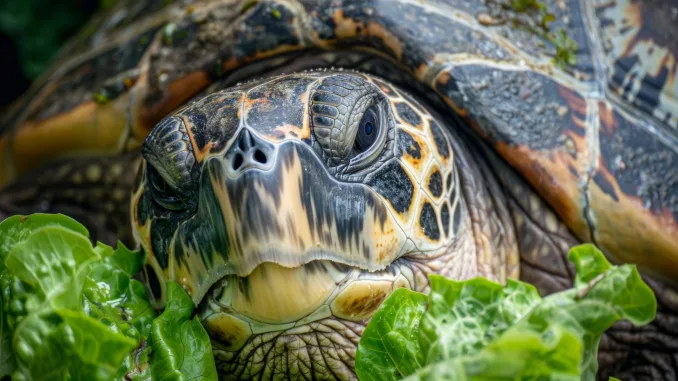
Turtle soup has a long and fascinating history, stretching from luxury dining tables to the conservation debates of today. What prompted the question as to why it has largely disappeared occurred as I was working through old menus of the 1800s. In many instances I came across a potage de tortue and thought what is this and what happened to it.
Historically, turtle soup was considered a delicacy, prized for its rich flavor and unique texture. In the 18th and 19th centuries, particularly in Europe and North America, green sea turtles were harvested and served in elaborate, often ceremonial dishes. Wealthy households and high-end restaurants prized turtle soup because the meat was rare, expensive, and difficult to obtain, signaling status and sophistication. Recipes often included a mix of spices, wine, and sometimes even exotic ingredients, transforming it into a luxurious culinary experience. In Britain, the dish became so popular that mock turtle soup was invented in the 18th century to replicate the taste using veal or beef, making the flavor accessible to those who could not afford real turtle meat.
The decline of real turtle soup is closely linked to environmental and legal factors. Many turtle species, particularly green and hawksbill turtles, became endangered due to overharvesting for food, shells, and other commercial uses. As a result, international agreements like the Convention on International Trade in Endangered Species of Wild Fauna and Flora (CITES) strictly regulate or ban the trade of turtles and their products. Countries such as the United States, the United Kingdom, and members of the European Union prohibit commercial sale of turtle meat, making real turtle soup illegal. The bans aim to protect vulnerable species from extinction while addressing the ethical and ecological consequences of exploiting wildlife.
Despite its decline, turtle soup retains a cultural and culinary legacy symbolic of an age when conservation was rarely thought about. Its history reflects both human fascination with rare foods and the evolving understanding of conservation. Today, high-end restaurants may still serve “mock turtle soup” to evoke the historical dish without threatening endangered species, preserving the culinary tradition while aligning with modern ethical standards. In this way, turtle soup stands as a symbol of the interplay between luxury cuisine and ecological responsibility, illustrating how tastes and ethics can transform the foods we once considered prestigious. Thank goodness we started to see the damage of overfishing especially for these rare creatures. It may be in time we say the same about sharkfin soup .

Leave a Reply