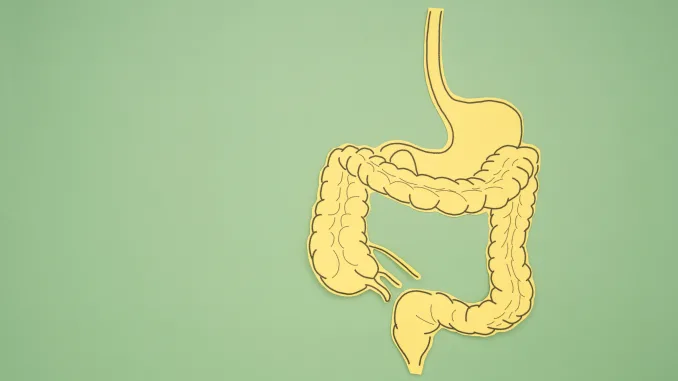
Bile acids are detergent-like molecules made in the liver from cholesterol that help your body digest and absorb fats and fat-soluble vitamins.
They’re a key part of your digestive chemistry — think of them as the body’s “dish soap” for breaking down dietary fat.
1. Where they come from
-
Starting material: Cholesterol
-
Site of production: Liver cells (hepatocytes)
-
Pathway: Cholesterol → enzymatic modifications → bile acids
2. Types of bile acids
A. Primary bile acids
-
Made directly from cholesterol in the liver.
-
Main types in humans:
-
Cholic acid
-
Chenodeoxycholic acid
-
-
Before secretion, they are conjugated (joined) with amino acids glycine or taurine to make them more water-soluble.
B. Secondary bile acids
-
Formed in the intestine by gut bacteria modifying primary bile acids.
-
Main types:
-
Deoxycholic acid (from cholic acid)
-
Lithocholic acid (from chenodeoxycholic acid)
-
3. Role in the body
-
Fat digestion
-
Bile acids emulsify large fat droplets into smaller micelles, increasing the surface area for digestive enzymes (like pancreatic lipase) to work.
-
-
Fat absorption
-
Micelles carry fatty acids, monoglycerides, cholesterol, and fat-soluble vitamins (A, D, E, K) to the intestinal lining for absorption.
-
-
Waste removal
-
A major way to eliminate excess cholesterol from the body — cholesterol is converted to bile acids and secreted in bile.
-
4. The bile acid cycle (enterohepatic circulation)
-
Step 1: Liver makes bile acids from cholesterol.
-
Step 2: Bile acids are secreted into bile, stored in the gallbladder, and released into the small intestine after eating.
-
Step 3: They help digest fats.
-
Step 4: About 95% are reabsorbed in the ileum and returned to the liver via the portal vein.
-
Step 5: Only a small fraction is lost in stool, which the liver replaces by making new bile acids.
5. Clinical relevance
-
Gallstones — Can form when cholesterol in bile is too concentrated and bile acids are too low.
-
Liver disease — Can impair bile acid synthesis or secretion.
-
Bile acid malabsorption — Can cause chronic diarrhea.
-
Drugs — Bile acid sequestrants (e.g., cholestyramine) bind bile acids in the gut, forcing the body to make more from cholesterol, lowering blood cholesterol.
Main Types of Bile Acids in Humans
Bile acids are divided into primary (synthesized in the liver) and secondary (formed in the gut from bacterial action).
Primary Bile Acids (made in the liver from cholesterol)
-
Cholic Acid (CA)
-
Structure: 3 hydroxyl groups (3α, 7α, 12α).
-
More hydrophilic (water-soluble) than CDCA.
-
Function: Very effective emulsifier for fats.
-
-
Chenodeoxycholic Acid (CDCA)
-
Structure: 2 hydroxyl groups (3α, 7α).
-
More hydrophobic (less soluble) than cholic acid.
-
Function: Strong signaling molecule, potent activator of FXR receptor, regulates bile acid synthesis and metabolism.
-
Clinical use: Gallstone dissolution, therapy for rare bile acid synthesis defects.
-
Secondary Bile Acids (formed by gut bacteria acting on primary bile acids)
-
Deoxycholic Acid (DCA)
-
Derived from cholic acid by bacterial removal of the 7α-hydroxyl group.
-
More hydrophobic, can be irritating to membranes.
-
Role: Involved in fat absorption but linked to colon cancer risk at high levels.
-
-
Lithocholic Acid (LCA)
-
Derived from CDCA by removal of the 7α-hydroxyl group.
-
Highly hydrophobic, poorly soluble, potentially toxic to liver cells.
-
Normally detoxified by sulfation in the liver.
-
Tertiary Bile Acids (further modified forms)
-
Ursodeoxycholic Acid (UDCA)
-
A 3β-epimer of CDCA (same composition, different hydroxyl orientation).
-
More hydrophilic and less toxic.
-
Therapeutic use: Protects liver cells, used in primary biliary cholangitis and other cholestatic liver diseases.
-
Comparison Summary
| Bile Acid | Hydroxyl Groups | Hydrophobicity | Source | Major Roles | Clinical Relevance |
|---|---|---|---|---|---|
| Cholic Acid (CA) | 3 (3α, 7α, 12α) | Least hydrophobic | Primary | Strong emulsifier | Basis for secondary DCA |
| Chenodeoxycholic Acid (CDCA) | 2 (3α, 7α) | More hydrophobic | Primary | FXR signaling, fat absorption | Gallstone therapy, metabolic diseases |
| Deoxycholic Acid (DCA) | 2 (3α, 12α) | More hydrophobic | Secondary (from CA) | Fat absorption | Linked to colon cancer risk |
| Lithocholic Acid (LCA) | 1 (3α) | Most hydrophobic (toxic) | Secondary (from CDCA) | Minor | Detoxified by liver |
| Ursodeoxycholic Acid (UDCA) | 2 (3α, 7β) | More hydrophilic | Tertiary (from CDCA) | Cytoprotective | Used in liver/cholestatic diseases |
So, CDCA sits in the middle: more hydrophobic and signaling-active than cholic acid, but less toxic than lithocholic acid. UDCA is a “friendly” derivative of CDCA with major therapeutic benefits.



I hope it’s okay to include a link here, but I wanted to ask about the role of chenodeoxycholic acid in the treatment of certain liver conditions. I recently came across some information that discusses its uses and side effects, which can be quite complex. For a better understanding, I found this resource: https://pillintrip.com/medicine/chenodeoxycholic-acid. Could someone elaborate on how this medication works in the body and its clinical relevance? Thank you!