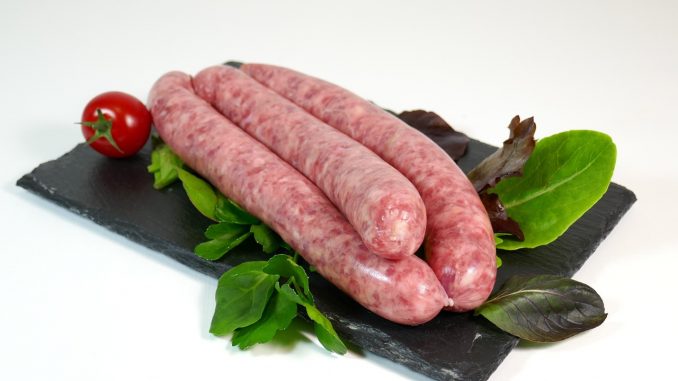
Sausages are one of Britain’s most enduring and beloved culinary staples, with a history stretching back centuries and a presence in almost every regional cuisine across the country. Known for their comfort-food appeal, adaptability, and regional diversity, British sausages are far more than a quick breakfast fry-up component—they represent a living tradition shaped by geography, agriculture, and social history. From the coarse-cut Cumberland to the finely seasoned Lincolnshire, and from traditional pork to innovative vegan versions, sausages in Britain tell a story of local pride and culinary evolution.
Historical Background
The origins of British sausages can be traced to the introduction of the technique of encasing minced meat in animal intestines—a practice believed to date back to ancient Mesopotamia and spread across Europe via trade and migration. In Britain, sausages appear in written records as early as the 15th century, though they likely existed long before in various rustic forms.
The term “banger,” commonly used in Britain to describe sausages, emerged during World War I, when meat shortages led to sausages being bulked out with water and other fillers. When cooked, these high-moisture sausages would sometimes pop or “bang” in the pan, giving rise to the nickname.
In earlier centuries, sausages were a practical way of preserving meat before refrigeration, often made after slaughter in autumn and salted or smoked to last through the winter. Local ingredients—such as oats in Scotland, herbs in Lincolnshire, and pepper in Cumberland—shaped the flavor profiles that would become regional signatures.
Regional Varieties
British sausages vary not only in seasoning but also in texture, meat content, and shape. Several varieties have received Protected Geographical Indication (PGI) status from the European Union (retained post-Brexit), ensuring that only sausages made in their region of origin using traditional methods can bear the name.
- Cumberland Sausage
Traditionally a long, coiled sausage rather than individual links, Cumberland sausage is made from coarsely chopped pork seasoned with pepper, thyme, sage, and other herbs. Originating in the historic county of Cumberland (now part of Cumbria), it is known for its peppery warmth and chunky texture.
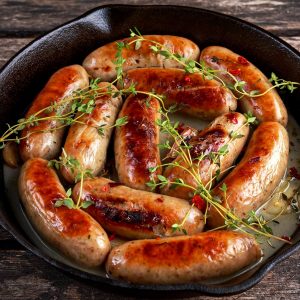
Purchase your Cumberland sausage by clicking the link.
2. Lincolnshire Sausage
Distinguished by its heavy use of sage, Lincolnshire sausage typically uses coarsely chopped pork and is seasoned more mildly than Cumberland. It is often link-shaped and is prized for its herbaceous aroma.
3. Newmarket Sausage
A Suffolk and Cambridgeshire specialty, the Newmarket sausage comes in two main styles from different family butchers, each with closely guarded recipes. Both versions are known for a peppery and coriander-spiced flavor profile.
4. Oxford Sausage
First recorded in the 18th century, the Oxford sausage traditionally contains a mix of pork and veal, with sage, lemon, and nutmeg. Modern variations are made purely with pork but maintain the aromatic character.
5. Scottish Lorne Sausage
Unlike most British sausages, Lorne is square-cut and skinless. It is made from minced pork and/or beef mixed with rusk and seasoning, then formed into large blocks and sliced. It’s a breakfast favorite in a Scottish morning roll.
Ingredients and Preparation
Traditionally, British sausages consist of pork, seasoning, and a filler known as “rusk” (breadcrumbs or biscuit-like material made from wheat flour). Rusk gives sausages a softer texture and helps retain moisture. The seasoning is where regional identity shines—sage in Lincolnshire, black pepper in Cumberland, mace in West Country recipes.
The casing is usually made from cleaned animal intestines (natural casing), though synthetic casings are also used in mass production. The meat is minced, mixed with seasonings and rusk, then filled into casings using a sausage stuffer. Fresh sausages are sold raw, while cooked or smoked varieties are rarer in Britain compared to continental Europe.
Cultural and Culinary Role
Sausages are deeply embedded in British food culture, appearing in both everyday meals and festive traditions. The quintessential “full English breakfast” would be incomplete without at least one pork sausage alongside bacon, eggs, beans, and toast. “Bangers and mash” (sausages with mashed potatoes and onion gravy) is a pub classic, offering affordable comfort food.
Historically, sausages were also tied to seasonal events. Hogmanay in Scotland sometimes featured Lorne sausage as part of celebratory breakfasts, while harvest festivals saw rural families making large batches for winter storage. The Guy Fawkes Night celebrations often involve outdoor grilling of sausages, adding to their association with British communal traditions.
Sausages in British Pubs and Restaurants
Pubs have long championed regional sausages, often partnering with local butchers to serve distinctive recipes. “Sausage and ale” festivals have become popular in market towns, pairing artisanal sausages with craft beers. Many gastropubs now elevate the humble sausage with gourmet mash, caramelised onion chutney, or red wine reductions.
In restaurants, sausages have moved beyond the breakfast plate. Chefs experiment with exotic meats (venison, wild boar), global seasonings (chilli, lemongrass), and artisanal production methods, while retaining ties to traditional British sausage-making heritage.
Health and Regulation
British sausages have long been subject to quality regulations. The UK’s Meat Products Regulations set minimum meat content levels, though the legal threshold—42% for pork sausages—means cheaper brands can contain significant amounts of fillers. Premium sausages, often labeled “butcher’s” or “farmhouse,” may contain 80–97% meat, with minimal rusk and no artificial preservatives.
There has been growing concern about salt and fat content, prompting many producers to offer “healthier” sausages with reduced sodium, leaner cuts of meat, and gluten-free rusks. This aligns with broader consumer trends toward transparency and sustainability in food production.
Modern Innovations
The British sausage market has embraced innovation while maintaining tradition. Vegetarian and vegan sausages—once mocked for their texture—have advanced dramatically with plant-based proteins, pea starch casings, and improved flavorings. Brands like Richmond and Beyond Meat offer meat-free options that mimic the juiciness of pork sausages.
Artisanal producers experiment with fusion flavors, incorporating ingredients like Stilton cheese, caramelised apple, or curry spices. Farmers’ markets showcase small-batch sausages using rare-breed pork, grass-fed beef, or organic lamb.
Even supermarket chains have expanded their ranges to include premium and world-flavor sausages alongside the standard pork link, reflecting Britain’s diverse culinary landscape.
Export and Global Influence
While sausages are common across Europe, British sausages have carved out an export niche—particularly in expatriate communities abroad. From Spain’s Costa del Sol to Australia’s Gold Coast, British butchers supply Cumberland and Lincolnshire links to nostalgic Britons. Some chefs abroad have incorporated British sausages into fusion dishes, introducing them to non-UK diners in new contexts.
British sausages are both a culinary tradition and a living, adaptable food form. They reflect centuries of agricultural practice, regional pride, and social change. While industrialisation once threatened to homogenise them, there has been a resurgence of interest in high-quality, locally produced sausages that preserve their unique regional characters.
From the peppery coil of a Cumberland to the herby bite of a Lincolnshire, sausages in Britain tell a story of continuity and change—of rural roots and modern innovation. They remain a cherished part of the British table, equally at home in a greasy spoon café or a Michelin-starred restaurant. As Britain’s food culture continues to evolve, the sausage stands as a comforting constant: familiar, versatile, and, in its best form, irresistibly delicious.
Nothing like a hot banger from whatever country although we in the UK are especially lucky!