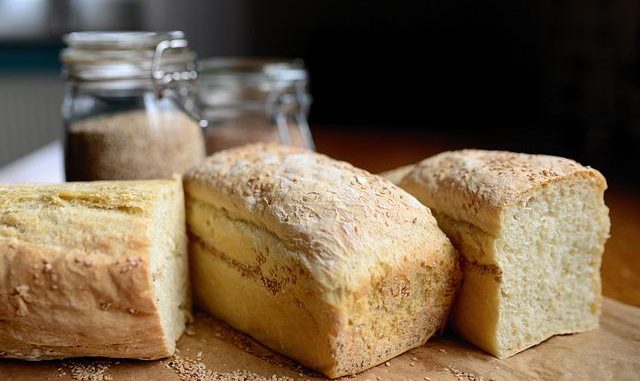
In kitchens and grocery aisles across America, gluten‑free bread is no longer a niche, fringe option — it’s a legitimate staple. Once primarily viewed as a medical necessity for those with Celiac disease or serious gluten‑sensitivity, gluten‑free bread has grown into a mainstream category. According to a recent market analysis, the U.S. gluten‑free bread market is projected to continue expanding at a compound annual growth rate (CAGR) of 7.4% through 2035, underlining rising demand from health‑conscious consumers, dietary‑specialty shoppers, and those pursuing lifestyle diets.
What’s fueling this growth is both necessity and choice: increased diagnoses of gluten-related disorders, as well as more people simply adopting gluten‑free lifestyles for digestive comfort, perceived health benefits, or dietary experimentation.
What Gluten‑Free Bread Actually Offers (And Its Tradeoffs)
Potential Benefits
-
Safe alternative for Celiac and gluten‑sensitive individuals. The most obvious — and critical — advantage is that gluten‑free bread makes eating bread possible for people whose immune systems react to gluten, or who experience negative symptoms from gluten consumption.
-
Digestive comfort. For some, a gluten‑free loaf can reduce bloating, discomfort, or digestive issues tied to gluten.
-
Alternative grains and seeds. Many gluten‑free breads rely on rice, tapioca, sorghum, millet, or seed blends (chia, flax, hemp, etc.) instead of wheat — which can offer different textures, flavors, and (in some cases) expanded variety for those cutting out gluten.
-
Flexibility for diet restrictions. Gluten‑free breads often avoid wheat, rye, and barley — common allergens — making them a safer or more inclusive choice for people with multiple dietary restrictions or sensitivities.
The Tradeoffs
-
Nutritional compromises. Many gluten‑free breads lag behind regular wheat breads in fiber, iron, folate and B‑vitamins — nutrients commonly found in wheat and enriched flours.
-
Texture and taste challenges. Without gluten’s binding properties, gluten‑free bread can end up denser, dryer, or crumblier, which can make for a less satisfying sandwich or toast.
-
Cost and accessibility. Gluten‑free loaves tend to cost more than standard bread, and good-quality options (e.g. whole‑grain or seed‑based) may be harder to find in some regions.
-
Not automatically “healthier.” Unless carefully formulated, gluten-free breads aren’t inherently healthier — and in many cases, may be less nutritious than whole‑grain wheat breads.
In short: gluten‑free bread is tremendously valuable when gluten avoidance is medically necessary. For someone without gluten issues, it can offer variety or flexibility — but it’s important to choose wisely (whole‑grain, seeded, minimally processed) and to complement it with other nutrient‑rich foods.
-
Brands and Bakers Leading the U.S. Gluten‑Free Movement
Here are several U.S.-based or widely available gluten‑free bread producers that stand out, whether for quality, variety, or availability:
Udi’s Healthy Foods
-
One of the pioneering mainstream gluten‑free bread brands in the United States. Offers a variety of products: sandwich loaves, buns, English muffins — all gluten‑free. Their loaves are widely available in major grocery chains across the U.S.
-
A solid go-to for everyday gluten-free eating, offering convenience and consistency.
Three Bakers
-
Known for rice‑flour based loaves, like their “Great Seed Whole Grain & 7 Seed Bread.”
-
Their breads are certified gluten‑free, and often grain‑ and seed‑rich — a better nutritional balance than plain refined gluten‑free loaves.
French Meadow Bakery
-
A privately held bakery based in Minnesota, one of the oldest certified‑organic bakeries in the U.S., offering gluten‑free (and often vegan/yeast‑free) breads and baked goods.
-
Their long history and commitment to certifications (USDA‑organic, gluten‑free, kosher) make them stand out for folks seeking “cleaner,” more carefully crafted gluten‑free options.
Bob’s Red Mill
-
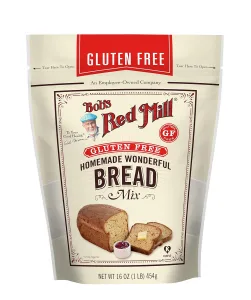
A household name for whole grains, flour, and baking supplies — Bob’s Red Mill offers a variety of gluten‑free flours and mixes that allow people to bake their own gluten‑free bread.
-
For those who prefer home baking — which can give more control over ingredients, fiber, and nutrition — Bob’s Red Mill remains a trusted choice.
-
Purchase This Product (USA Only)
Who Really Benefits — And Who Should Be Wary
If you have celiac disease, diagnosed gluten sensitivity, or simply feel better off gluten, gluten‑free bread is more than “just bread.” It’s a dietary lifeline, a way to retain favorite meals (sandwiches, toast, bread-based dishes) with safety and comfort.
For others — health‑conscious eaters, experimenters, people curious about gut health or dietary changes — gluten‑free bread can be a reasonable, occasional alternative. But it’s not a magic bullet: unless you pick whole‑grain or seed‑rich options, you might end up with lower fiber, fewer nutrients, and higher cost — and potentially miss out on some benefits of whole-wheat or sprouted breads.
That said, as consumer demand has grown, flour technology and baking techniques have improved. The gluten‑free loaves of 2025 are much more varied, nutritious, and palatable than those from 10–15 years ago. Producers like Udi’s, Three Bakers, French Meadow and home‑baking facilitators like Bob’s Red Mill are supporting a shift from “gluten-free as restriction” to “gluten‑free as lifestyle option.”
The Bottom Line: Gluten‑Free Bread Has Real Value — With Caveats
Gluten‑free bread isn’t inherently “better” than traditional bread — but it is invaluable for people who must avoid gluten. For everyone else, it’s a viable option — especially if you choose wisely (seeded, whole‑grain, certified). As with any food, quality, ingredients, and balance matter far more than the label “gluten‑free.”
Quick Picks & Why They’re Worth a Try
-
Udi’s Gluten-Free Delicious White Sandwich Bread — A go‑to everyday sandwich loaf. For many people new to gluten‑free eating, Udi’s is an easy starting point because it’s mild, widely available, and generally “bread‑like.” Healthline includes a Udi’s millet‑chia loaf among its top GF breads.

Purchase This Product (USA Only)
-
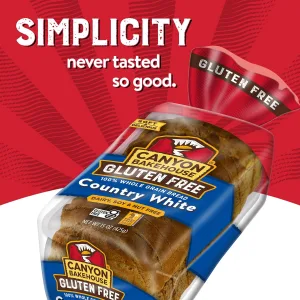
Canyon Bakehouse 7-Grain Gluten-Free Bread — One of the better “whole‑grain / seeded” gluten‑free breads. Made with multiple grains (e.g. quinoa, teff, amaranth, sorghum) and certified gluten‑free; it’s free from dairy, nuts, and soy. Great for toast, sandwiches, or hearty breakfasts. The Country White version (see below) is also a whole-grain bread which makes great play too on being dairy, soy and nut free.
Purchase This Product (USA Only)
-
Dr. Schär Ciabattine (Gluten-Free White Ciabatta Rolls) — For those who want something a bit different than standard sandwich bread: ciabatta‑style rolls for sandwiches, dipping with soups, or paninis. Lighter texture and “bread shop” feel rather than “store‑bought loaf.”
-
Dr. Schär Gluten-Free Frozen White Rolls — A versatile staple bread, good for those who prefer to bake/heat before eating and want a neutral, soft white‑bread taste. Good for sandwiches, toasting, or everyday use.
-
Promise Gluten Free Soft White Loaf — A simpler white loaf, often among the more budget‑friendly gluten‑free options. It works if you want something basic, soft, and neutral.
-
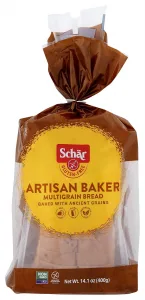
Dr. Schär Gluten Free Wholesome Seeded Loaf — For sandwich‑makers who like a seeded, more “artisan” feel. It offers a bit more texture and depth than plain white loaves, leaning toward a multigrain/whole‑grain style.
-
Canyon Bakehouse Gluten-Free Ancient Grains Bread — If you want extra “hearty” flavor and a richer grain profile. A good choice for those seeking more complex taste and substance while staying gluten‑free.
Purchase This Product (USA Only)
-
Udi’s Gluten-Free Cinnamon Raisin Bread — A sweeter loaf, suitable for breakfasts, toast with jam, or for people who prefer a fruit‑bread feel to their gluten‑free loaf.
Notes — Nutrition, Use Cases & What to Watch For
-
Seeded & whole‑grain breads (like Canyon Bakehouse, Schär, seeded loaves) tend to offer more texture and a more “bread‑like” feel compared to some very basic white GF loaves. They’re often better for toasting, sandwiches with heavier fillings, or meals where regular bread might feel too soft or flimsy.
-
White loaves (like Udi’s or Promise) are often softer and more neutral — good for everyday sandwiches, quick toasts, or for people transitioning to gluten‑free and prioritizing familiarity.
-
Frozen / bake‑before‑eating loaves/rolls (like Schär rolls) often yield better texture and freshness than shelf‑stable loaves, but require extra prep (heating/toasting) — worth it if you value taste & structure.
-
Sweet or flavored GF breads (e.g. cinnamon‑raisin) add variety — useful for breakfasts or snacks — though obviously less neutral than plain loaves.
Where to Buy / What to Check
-
Many of these breads are carried by major US grocery chains, health‑food stores, or online retailers. For example, the seeded multigrain options by Little Northern Bakehouse are often available frozen, and can be found in stores or via delivery.
-
Look in the frozen‑bread or gluten‑free section at supermarkets (especially for seeded or ancient‑grain loaves).
-
Always check ingredient lists if you have multiple dietary needs (e.g. dairy‑free, soy‑free, nut‑free). Many of the breads above (Canyon Bakehouse, Schär) are free from common allergens beyond gluten.

Leave a Reply