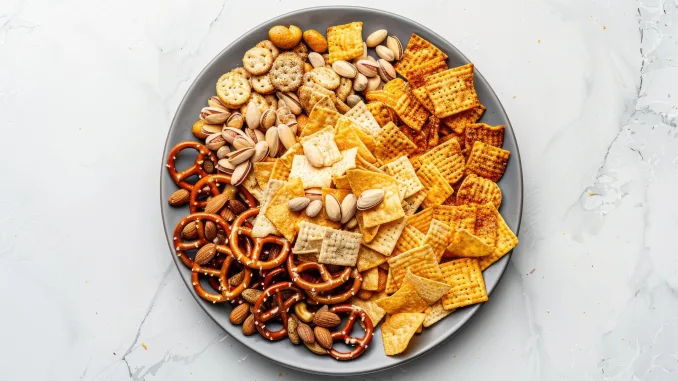
Salty snacks are highly popular in many countries and it seemed relevant to look at new and emerging packaging trends for salty snacks in North America—with emphasis on innovation, sustainability, and commercial deployment as of late-2025/early-2026.
1. Sustainability and Recyclability
a. Transition to recyclable, compostable, and mono-material packaging
-
Brands and converters are aggressively shifting from multi-layer plastics toward monomaterial films that can be recycled through existing streams. This includes mono-PE (polyethylene) pouches with high recycled content and recyclable barrier paper structures that meet performance needs for salty snacks like chips and crackers.
-
Sustainable barrier papers and biobased, biodegradable films are increasingly viable for salty snacks that require moisture and oxygen protection.
b. Biodegradable and compostable packaging launches
-
Some specialty brands (e.g., Humble Snacks in North America) have introduced industrial compostable-certified bags that break down in commercial compost facilities within months, reducing reliance on traditional plastics.
-
Food packaging specialists are launching high-barrier home-compostable metalized films suitable for salty, oily products—representing a leap forward in eco-functional materials.
c. Material reduction and lightweighting
-
Large CPGs like Kellanova (Kellogg’s spin-off) have redesigned packaging for products such as Cheez-It variants to reduce plastic use substantially (e.g., over 100,000 pounds of plastic annually) and cut shipping case cardboard.
d. Recycled content and circular economy
-
Increased adoption of rPET and post-consumer recycled materials in packaging structures is underway as part of broader circularity commitments.
2. Functional Packaging Innovations
a. High-barrier solutions for freshness
-
Salty snacks are susceptible to oxygen and moisture, so advanced barrier films are being introduced—such as nanotechnology-enhanced coatings that can compete with traditional metallized films but maintain clarity and recyclability.
b. Portion-control & format diversity
-
Packaging formats like portion-controlled flow wraps and single-serve packets help preserve freshness once opened and cater to on-the-go lifestyles.
c. Stand-up pouches and multipacks
-
Companies (e.g., Hershey) are emphasizing stand-up bags for salty variants and multipack configurations to enhance convenience and shelf presence.
3. Packaging Design and Consumer Experience
a. On-shelf impact and convenience
-
Bold graphic design, standout color palettes, and clear front-of-pack communication of attributes (e.g., “gluten-free,” “non-GMO”) are emerging as differentiators in crowded snack aisles.
b. On-the-go formats
-
Lightweight single-serve and resealable pack options are increasingly offered to meet consumer demand for convenience and portion management.
c. Dual-purpose packaging
-
Concepts such as integrated dip & chip packaging are being trialed (e.g., Kraft Heinz’s “Dip & Crunch”), combining snacking with convenience and reducing separate packaging.
4. Broader Packaging Technology and Market Trends Affecting Salty Snacks
a. Smart and active packaging potential
-
Although early in adoption for salty snacks, smart packaging technologies (e.g., freshness indicators and active barrier systems) are gaining attention for quality management and waste reduction.
b. Regulatory and ESG pressure
-
Regulatory frameworks and corporate ESG goals are pushing brands toward sustainable packaging commitments (e.g., recyclable or compostable by target years), which directly influences material selection for salty snack packaging.
c. Market drivers
-
The savory/salty snack packaging segment continues to expand, buoyed by consumer preference for healthier, premium, and flavor-diverse products, which in turn demands packaging that supports brand positioning and sustainability claims.
5. The Main Players In North America
1. Frito-Lay (PepsiCo) — Industrially Compostable Bag Pilot (Off The Eaten Path)
-
What: Frito-Lay North America introduced industrially compostable bags for its Off The Eaten Path® veggie crisps and chickpea crisps products.
-
Packaging: Compostable film made primarily from plant-based sources, designed for industrial compost facilities.
-
Why it matters: It supports PepsiCo’s broader pep+ sustainability goals to make packaging recyclable, compostable, biodegradable, or reusable. This is a high-profile test of alternative film materials for salty snacks.
2. Kellanova — Reduced Plastic Packaging (Cheez-It Snap’d, Cheez-It Puff’d, Club Crisps)
-
What: Kellanova redesigned packaging for three salty snack products to reduce overall plastic use (both primary packaging and corrugated shipping materials).
-
Packaging: Optimized film and case materials that cut 672,000 pounds of packaging annually, including 124,000 pounds less plastic.
-
Why it matters: Material reduction is a near-term sustainability strategy that lowers plastic waste and transportation footprint while keeping product protection.
3. Sonoco — All-Paper Snack Packaging Can
-
What: Sonoco Products Company launched an all-paper rigid container (“paper can”) for snack products in North America.
-
Packaging: 100% recycled fiber paper body with a recyclable paper bottom. Compatible with resealable closures and offers product protection comparable to traditional rigid containers.
-
Why it matters: Paper cans represent an alternative to plastic pouches and metal/rigid plastics for snacks (including chips and nuts), improving recyclability and shelf presence.
4. TIPA — High-Barrier Compostable Film (Enabling Material for Brands)
-
What: TIPA introduced a advanced home-compostable, high-barrier film suitable for salty snacks (e.g., chips, crisps).
-
Packaging: Ultra-thin metallized compostable film that can provide oxygen and moisture barriers comparable to plastic laminates.
-
Why it matters: While not a specific brand launch, this enabling packaging material is now commercially available and being used by snack brands to test compostable primary packaging.
5. PepsiCo (Snack A Jacks) — Paper Outer Multipack (UK, Indicative of North America Trends)
-
What: PepsiCo transitioned Snack A Jacks multipacks from plastic to recyclable paper outer bags.
-
Packaging: Paper bags accepted in standard household recycling streams, reducing plastic use and greenhouse gas impact.
-
Why it matters: Although initially reported in Europe, this packaging model is highly relevant to North America as PepsiCo aligns global packaging strategies and may roll similar formats out across markets.
6. Larger Brand Packaging Redesigns (Supporting Sustainability Signaling)
Several major salty-snack brands have rolled out visual redesigns or packaging refreshes that, while not exclusively sustainability driven, reflect broader innovation:
-
Lay’s Potato Chips redesigned packaging highlighting brand repositioning and cleaner ingredient messaging (which consumers increasingly relate to packaging transparency and trust).
-
Goldfish expanded into new pretzel formats for 2026 (though packaging details have not yet been widely documented).
(This category is included to show how packaging redesign—beyond material changes—can influence brand presence and consumer perception in the salty snack marketplace.)
Summary of Key Packaging Examples (North America Focus)
| Brand/Producer | Packaging Innovation | Type | Impact |
|---|---|---|---|
| Frito-Lay (Off The Eaten Path) | Industrially compostable bag | Compostable film | Sustainability pilot; circular goals |
| Kellanova (Cheez-It & Club) | Reduced plastic packaging | Material reduction | Waste & carbon footprint reduction |
| Sonoco | All-paper snack can | Fiber rigid container | Recyclability & differentiation |
| TIPA | High-barrier compostable film | Compostable material | Enables broader compostable snack use |
| PepsiCo (Snack A Jacks) | Recyclable paper multipacks | Paper outer bag | Plastic reduction, recyclability |
| Lay’s (Packaging redesign) | Updated brand visuals/positioning | Brand/marketing | Consumer appeal & messaging |
6. The Main Players In Europe (For Comparison with North America)
1. PepsiCo – Sunbites with 50% Recycled Plastic Film (UK & Ireland)
-
Brand/Market: Sunbites (PepsiCo) in the United Kingdom and Ireland.
-
Packaging Innovation: Flexible snack packaging containing 50% post-consumer recycled polypropylene that meets EU food contact regulations.
-
Significance: Advanced recycling technology converts plastic waste to feedstock for food-grade packaging film, enabling significant virgin plastic reduction and progress toward PepsiCo’s European pep+ goals (eliminate virgin fossil-based plastic in crisp/chip bags by 2030).
-
Why It Matters: Demonstrates scalable circular film application for salty snacks in a major European market.
2. Lorenz Crunchips Stackers in Recyclable Paper-Centred Can (Germany)
-
Brand/Market: Crunchips Stackers (Lorenz) across Germany.
-
Packaging Innovation: A rigid paper can with a recyclable paper body and protective inner layer that eliminates aluminum and metal components.
-
Significance: Paper-centric packaging certified ~88% recyclable, reducing reliance on plastics and traditional metalized structures while protecting product fresh- ness.
-
Why It Matters: Strong example of material substitution (paper replacing plastic/foil) for widely consumed salty snacks.
3. Walkers Paper Outer Bag for Multipacks (United Kingdom)
-
Brand/Market: Walkers (UK).
-
Packaging Innovation: Paper outer bags for multipack snack bundles, replacing previous plastic outer wraps.
-
Significance: Reduces virgin plastic use (estimated ~180 tonnes annually) and allows the paper to enter standard recycling streams.
-
Why It Matters: One of the first flexible recyclable paper multipack formats in the UK savory snack category.
4. PepsiCo Flexible Mono-Material Films (Across Europe)
-
Brand/Market: Lay’s and other PepsiCo European snack brands.
-
Packaging Innovation: Flexible films designed for recyclability (monomaterials like polypropylene) and higher recycled content; early tests include up to ~30% material reduction on multipack films and use of vegetable waste inputs in some markets.
-
Significance: Aligns with CEFLEX (Circular Economy for Flexible Packaging) guidelines and broader EU recycling design criteria — aiming to halve new plastic use per portion by 2030.
-
Why It Matters: Large-scale transition of mono-material flex films across a global snack portfolio sold in Europe.
5. TIPA Home-Compostable High-Barrier Film (Enabling Material)
-
Supplier/Materials: TIPA advanced home-compostable film technology.
-
Packaging Innovation: Ultra-thin metalized home-compostable high-barrier film tailored for salty snacks, addressing moisture and oxygen protection while being compostable.
-
Significance: Meets barrier needs historically dominated by multi-layer plastics, enabling brands to consider biodegradable packaging without performance tradeoffs.
-
Why It Matters: Not a single brand launch but enabling technology that several European snack producers can adopt and convert into primary packs.
6. Südpack Mono-Material Recyclable Pouch Films (Supplier for Multiple Brands)
-
Supplier/Material: SÜDPACK CarbonLite® mono-material films.
-
Packaging Innovation: Recyclable, high-performance mono-PP/PE films formulated for salty snack uses (flowpacks, doypacks, block-bottom pouches).
-
Significance: Offers brands a flexible packaging solution that meets recyclability goals under evolving European regulations (PPWR) and still delivers product protection.
-
Why It Matters: Representative of a category-agnostic material choice that salty snack brands across Europe are already integrating as part of sustainability roadmaps.
Supplementary Industry-Level Examples (Context for Salty Snack Packaging)
While not all are specific product launches, these examples illustrate broader packaging developments influencing European salty snacks:
-
Monomaterial Flexible Films by Intersnack and KP Snacks – Companies are redesigning crisp bags to use single resin types for recyclability and material reduction, including pilot PCR (post-consumer recycled) content.
-
FoodDrinkEurope-Led Recyclable Pringles Tube – Roll-out of a recyclable paper-based Pringles tube (with recyclable plastic lid) across Europe, supporting paper-centric packaging acceptance even in rigid salty snack formats.
Summary: Europe’s Recent Salty Snack Packaging Examples
| Brand / Innovation | Market or Region | Packaging Type | Primary Value |
|---|---|---|---|
| Sunbites with 50% recycled plastic film | UK & Ireland | Recycled-content flexible film | Circularity & regulatory compliance |
| Lorenz Crunchips paper-centric can | Germany | Rigid paper can | High recyclability & reduced plastic |
| Walkers paper multipack bags | UK | Recyclable paper outer | Virgin plastic reduction |
| PepsiCo mono-material films | Pan-Europe | Recyclable flexible films | Design for recycling & reduced virgin plastic |
| TIPA compostable high-barrier films | Europe and beyond | Compostable barrier film | Eco-friendly primary packaging |
| Südpack CarbonLite® pouch films | Europe | Recyclable mono-material | Barrier performance + recyclability |
Summary of Key Trends in North America (2025–2026)
-
Sustainability is now a primary driver: recyclable, compostable, and mono-material packaging is scaling beyond niche players.
-
High-barrier, functional materials are being engineered to preserve freshness while enabling recyclability.
-
Consumer-centric designs (portions, convenience, and on-shelf impact) are reshaping how salty snacks are sold.
-
Large brands are investing in structural changes to reduce plastic and enhance circularity.
-
Emerging tech and active packaging remain nascent but poised for future adoption.

Leave a Reply