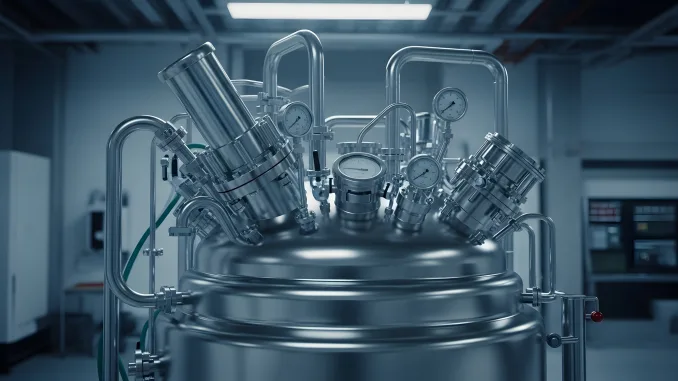
Precision fermentation is a biotechnology process that uses genetically engineered microorganisms (like yeast, bacteria, or fungi) to produce specific functional ingredients, such as proteins, enzymes, or fats, that are identical to those found in animals, plants, or other natural sources—but made without the source organism. The discipline has been touted as major contributor to a sustainable future food supply (Hilgendorf et al., 2024).
How It Works
-
DNA coding for the desired ingredient (e.g., casein from milk, egg white protein, or insulin) is inserted into a microbial host (usually yeast or fungi).
-
The microorganism is grown in a fermentation tank with sugar, nutrients, and oxygen.
-
As it grows, the microbe produces the target ingredient.
-
The ingredient is extracted and purified in a process called downstream processing.
This is similar to how insulin or vitamins have been made for decades—only now it’s used for food proteins, fats, and specialty compounds.
Most Common Products from Precision Fermentation
Dairy Proteins (e.g., Casein, Whey)
-
Use: Animal-free cheese, yogurt, milk alternatives.
-
Companies: Perfect Day, Remilk, New Culture.
Egg Proteins (e.g., Ovalbumin)
-
Use: Egg replacers in baking and food manufacturing.
-
Companies: The EVERY Company, Onego Bio.
Fats and Oils
-
Use: Animal-free butter or lard alternatives.
-
Example: Cultured milkfat by Perfect Day or palm oil alternatives from companies like C16 Biosciences.
Enzymes
-
Use: Cheese-making (rennet), brewing, baking.
-
Common Enzyme: Chymosin (cheese coagulation enzyme).
-
Note: Already used commercially for decades.
Sweeteners and Flavors
-
Use: Stevia glycosides, vanillin, and rare sugars.
-
Companies: Evolva (now under dsm-firmenich), Amyris (previously).
Nutraceuticals and Specialty Compounds
-
Use: Vitamins (like B12), pigments, and antioxidants.
-
Examples: Astaxanthin, beta-carotene.
Advantages of Precision Fermentation
-
Animal-free: Vegan and cruelty-free by design.
-
Lower environmental impact: Less land, water, and emissions than traditional livestock.
-
Consistent and scalable: No agricultural variability.
-
Can target rare or expensive molecules: E.g., human milk oligosaccharides (HMOs) for infant nutrition.
When you consider the value of this subject we can see that precision fermentation has incredible potential. It can be used to generate or improve flavour, improve on safety and on sustainability.
References
Hilgendorf, K., Wang, Y., Miller, M. J., & Jin, Y. S. (2024). Precision fermentation for improving the quality, flavor, safety, and sustainability of foods. Current Opinion in Biotechnology, 86, 103084. .

Leave a Reply