
Aspergillus niger
Aspergillus niger is a filamentous fungus belonging to the genus Aspergillus. It is one of the most common and extensively studied species of Aspergillus due […]
Aspergillus niger is a filamentous fungus belonging to the genus Aspergillus. It is one of the most common and extensively studied species of Aspergillus due […]

Butter scones are a classic tea-time treat that are perfect for enjoying with a cup of tea or coffee. We often have these on Mother’s […]

Monoclonal antibodies are highly specialised protein molecules that has found wide-ranging application in biotechnology and an analytical biochemistry. Of all the advances that have been […]

Topoisomerases are enzymes that play a crucial role in the maintenance and regulation of DNA structure and topology within cells. They are responsible for altering […]
Candida rugosa is a yeast species belonging to the genus Candida. It is a dimorphic fungus, meaning it can exist in two different forms: yeast […]
Methanobacterium formicicum is a species of microorganism belonging to the domain of the Archaea. It is a methanogenic archaeon, meaning it produces methane as a […]
Haploidy and monoploidy are both terms used in genetics to describe the number of sets of chromosomes in a cell or organism. While they are […]
To make a polenta rosti, you will need the following ingredients: 1 cup of instant polenta 4 cups of water or vegetable broth Salt and […]
Matoke, also known as Matooke or East African Highland bananas, is a staple food in many East African countries, including Uganda, Rwanda, Tanzania, and parts […]
The proteasome is a crucial protein complex in cells that breaks down and recycles damaged or unneeded proteins. It’s a core part of the ubiquitin-proteasome […]
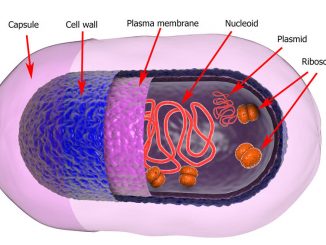
Plasmids are one of the most important factors in the success of biotechnology. The word plasmid was introduced by Joshua Lederberg in 1952 as the […]
Streptomyces coelicolor is a bacterium belonging to the genus Streptomyces, which is known for its ability to produce a wide range of secondary metabolites, including […]
Cell line development is a process by which the cellular machinery is used to manufacture therapeutic biologics and other proteins of interest. Introduction Tissue from […]
Post-translational modification (PTMs) refers to a host of chemical modifications that occur on proteins after they have been synthesized from the ribosome. These modifications play […]

Mammalian cell expression refers to the process of introducing and expressing foreign genes or proteins in mammalian cells. Mammalian cells, such as human embryonic kidney […]
The manufacture of L-tryptophan, an essential amino acid, using microbial fermentation involves the utilization of microorganisms to produce and accumulate L-tryptophan through metabolic pathways and […]
Microbial fermentation is a metabolic process employed by microorganisms to convert organic compounds into simpler molecules, such as pyruvate. Pyruvate is a key intermediate in […]
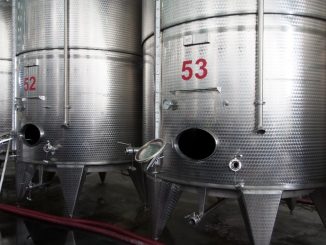
When we think about fermentation design we are considering what the properties are that makes for the ideal fermenter. Fermentation is primarily about supporting growth of […]
The unfolded protein response (UPR) is a cellular stress response mechanism that is activated when the endoplasmic reticulum (ER) in a cell is overwhelmed by […]
The Partial Rank Correlation Coefficient (PRCC) is a statistical measure used in sensitivity analysis to assess the correlation between an input parameter and the output […]
Copyright © 2026 | WordPress Theme by MH Themes