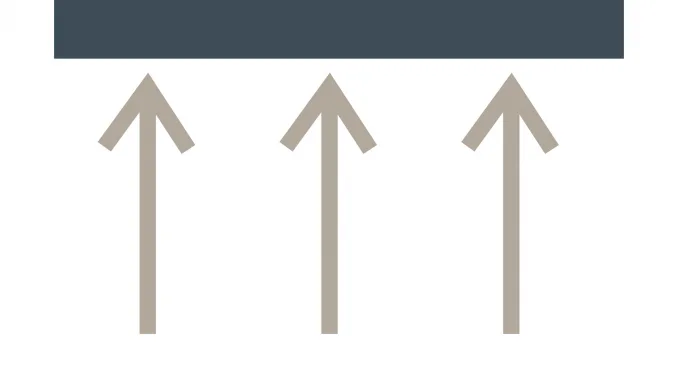
Nanofiltration (NF) is a membrane separation technology that is used extensively in biochemical engineering for the separation, purification, and concentration of biomolecules and other compounds. It is a pressure-driven process that utilizes a membrane with a pore size in the range of 1-10 nanometers to separate molecules based on their size and charge. The size of the solutes excluded in this process is thus of the order of 1 nm. The pore size of the NF membrane is in line with the molecular weight cut off (MWCO) value of approximately 200–1000 Da which is tight (Nath et al., 2018). It is not reverse osmosis which operates in a tighter regime with a smaller pore-size.
The technology of nanofiltration has been very well reviewed in a book edited by Schäfer and Fane (2021). Biotechnology is explored by Cao et al., 2021. Waste water treatment is covered by a newish book edited by Shah (2023) whilst water purification is covered by editors, Ahmad & Alshammari (2023). Both concern all things nanofiltration wise for the water industry. Both are well worth accessing! Where food is concerned, then try Yadav et al., (2022) which covers a number of applications and provides much of the basis for the food section in this article.
In biochemical engineering, nanofiltration is used in a variety of applications, including the separation and purification of proteins, enzymes, and other biomolecules. One of the major advantages of nanofiltration is its ability to selectively remove impurities and unwanted components, such as salts, from a sample while leaving the target molecule intact.
Nanofiltration is particularly useful in the purification of biomolecules from complex mixtures, such as cell culture media or fermentation broths. These mixtures typically contain a variety of contaminants, including salts, amino acids, sugars, and other small molecules, which can interfere with downstream processing or reduce the activity of the target molecule. By selectively removing these contaminants, nanofiltration can improve the purity and yield of the final product.
Another important application of nanofiltration in biochemical engineering is in the concentration of biomolecules. Since nanofiltration selectively removes water and small molecules, it can be used to concentrate a solution of biomolecules without significantly affecting their structure or activity. This is particularly useful in downstream processing, where concentrated solutions of biomolecules are often required for further purification or formulation.
Nanofiltration is also used in the recovery and purification of valuable compounds from wastewater and other industrial streams. For example, nanofiltration can be used to remove heavy metals or other contaminants from industrial wastewater, allowing the recovery of valuable metals or other compounds that can be reused or sold.
One of the key advantages of nanofiltration is its scalability. Nanofiltration can be easily scaled up from laboratory-scale systems to commercial-scale systems, making it a versatile technology for the purification and separation of a wide range of compounds.
However, there are also some limitations to the use of nanofiltration in biochemical engineering. One of the main challenges is the fouling of the membrane, which can occur when the membrane becomes clogged with impurities or biological material. This can reduce the effectiveness of the process and require frequent cleaning or replacement of the membrane .
Nanofiltration And Ultrafiltration
The technology is often combined with other membrane technologies especially ultrafiltration. One example has been the separation and purification of benzylpenicillin (BP). In the system under investigation, ultrafiltration membranes with three different pore sizes were tested (cut-off of 5000, 30,000 and 100,000 Da). Stable emulsions prevent chemical extraction. These UF membranes removed impurities that produce a stable emulsion. A nanofilter membrane of cut-off 300 Da was then used to concentrate benzylpenicillin from the permeate and also to reduce the osmotic pressure by reducing the ionic charge of the broth (Tessier et al., 2005).
Comparison of UF vs. NF in Food and Biotechnology
| Feature / Parameter | Ultrafiltration (UF) | Nanofiltration (NF) |
|---|---|---|
| Pore size / MWCO | 1–100 kDa (retains proteins, polysaccharides) | 200–1,000 Da (retains divalent/trivalent salts, small organics) |
| Salt rejection | Low (monovalent salts pass through) | Partial: 50–80% for monovalent salts, >90% for divalent/trivalent salts |
| Operating pressure | Low–moderate (1–10 bar / 15–150 psi) | Moderate–high (4–30 bar / 60–450 psi) |
| Water permeability | High (low pressure needed) | Lower than UF (higher pressure required) |
| Food applications | – Dairy: protein concentration (milk, whey) – Juice clarification – Beer & beverage haze removal |
– Dairy: whey demineralization, partial lactose removal – Juice concentration, colour & bitterness removal – Sugar solution purification |
| Biotech applications | – Protein/enzyme concentration – Cell removal, clarification – Virus-retentive filtration (certain UF membranes) |
– Peptide desalting and concentration – Amino acid concentration – Organic solvent nanofiltration (OSN) for biocatalysis – Intermediate polishing of biologics |
| Selectivity | Retains macromolecules; allows salts & small molecules to pass | Retains small molecules and divalent salts; allows some monovalent salts and water to pass |
| Energy consumption | Low | Moderate (higher than UF, lower than RO) |
| Membrane fouling tendency | Moderate; depends on feed composition | Higher than UF due to smaller pores; fouling from organics and scaling more critical |
| Typical module types | Hollow fiber, spiral wound | Spiral wound (thin-film composite) |
| Purpose in process train | – Concentration of proteins/polysaccharides – Clarification |
– Desalting or partial demineralization – Removal of small organic impurities – Polishing step before RO or final product formulation |
Key Takeaways
-
UF: Focused on macromolecule retention, low pressure, high flux; widely used for protein/enzyme concentration and clarification.
-
NF: Focused on small molecule and divalent ion retention, moderate pressure; often used for demineralization, polishing, and selective solute removal.
-
In food: UF handles bulk macromolecule concentration, NF fine-tunes flavor, salt, or colour.
-
In biotech: UF concentrates proteins/enzymes, clears cells, or separates viruses; NF removes salts, small metabolites, or solvents and serves as polishing.
Overall, nanofiltration is a valuable technology in biochemical engineering that is used extensively for the separation, purification, and concentration of biomolecules and other compounds. While there are some limitations to its use, nanofiltration offers a versatile and scalable solution for a wide range of applications in the field.
Differences Between Nanofiltration And Reverse Osmosis
Nanofiltration (NF) and reverse osmosis (RO) are closely related membrane processes as we referenced at the beginning of the article, but they aren’t identical. Think of NF as sitting between ultrafiltration (UF) and RO in terms of separation tightness and operating pressure.
Similarities
-
Membrane type: Both use thin-film composite membranes in spiral-wound modules.
-
Driving force: Both are pressure-driven processes.
-
Applications: Both remove dissolved solutes, improve water quality, and are used in food, biotech, and water treatment.
Key Differences
| Feature | Nanofiltration (NF) | Reverse Osmosis (RO) |
|---|---|---|
| Pore size / cutoff | Rejects molecules ~200–1,000 Da; retains divalent/trivalent salts, organics, hardness, large colour/odor compounds | Rejects almost all dissolved salts, small organics, and water impurities (including monovalent ions like Na⁺, Cl⁻) |
| Salt rejection | Partial (~50–80% for monovalent ions, >90% for divalent/trivalent ions) | Very high (>95–99% for all ions, including monovalent) |
| Water permeability | Higher (lower pressure needed) | Lower (higher pressure needed) |
| Operating pressure | ~4–30 bar (60–450 psi) | ~10–80 bar (150–1,200 psi, depending on seawater or brackish) |
| Energy demand | Lower, because less pressure is required | Higher, due to higher pressure |
| Taste/mineral balance | Allows some salts to pass → retains “fresh” taste, avoids overly aggressive demineralization | Produces nearly pure water (very low conductivity) |
| Typical uses | Water softening, dairy (whey demineralization), juice concentration, pesticide/organic removal | Desalination (seawater, brackish), ultrapure water for pharma/electronics, beverage production |
| Product water quality | Moderately softened/deionized | Nearly deionized (very low TDS) |
In practice
-
If you need total salt removal (desalination, ultrapure water): use RO.
-
If you want selective removal (e.g., hardness, colour, large organic molecules) while keeping some minerals for taste or nutrition: use NF.
-
NF is sometimes marketed as a “softer, lower-energy RO,” especially in beverage and food industries.
So: NF ≈ “looser RO” — lower pressure, less complete salt removal, but more energy-efficient and often better when you don’t want totally demineralized water.
Specific Examples Of Nanofiltration Used in The Biotechnology Industry
-
Antibiotic production (e.g., penicillin, erythromycin):
NF is used for product concentration and purification, removing fermentation broth impurities while retaining the active compound. -
Amino acid recovery (e.g., lysine, glutamic acid):
NF membranes concentrate amino acids and remove salts/low-molecular-weight by-products. -
Peptide and protein purification:
NF separates peptides/proteins from salts or buffer components after fermentation or enzymatic hydrolysis. -
Enzyme processing (industrial enzymes, therapeutic enzymes):
NF concentrates enzyme solutions while exchanging or reducing salts (partial desalting). -
Biopharmaceutical downstream processing (UF/NF cascades):
NF can serve as an intermediate polishing step to remove residual solvents or salts before formulation. -
Monoclonal antibody (mAb) production:
NF membranes are sometimes used alongside UF/DF for viral clearance and selective impurity removal (NF is validated as part of virus-retentive steps). -
Vaccine production (e.g., viral vaccines, protein subunits):
NF aids in buffer exchange and concentration of vaccine antigens or viral particles while removing host-cell impurities. -
Organic solvent recovery in biotech reactions:
NF membranes stable in solvents (OSN — organic solvent nanofiltration) are used to recover/recycle solvents used in biocatalysis or peptide synthesis. -
Oligonucleotide purification:
NF helps in solvent exchange, desalting, and concentration of synthetic DNA/RNA fragments. -
Fermentation broth clarification (biochemicals, biofuels):
NF removes colour compounds, salts, and low-MW impurities before crystallization or further purification.
Key themes
-
Concentration & desalting: Peptides, proteins, enzymes.
-
Impurity removal: Small molecules, salts, solvents, viruses.
-
Integration with UF/DF: Often part of cascades (UF → NF → RO) in biotech purification trains.
-
Solvent compatibility: In newer fields, organic solvent NF is increasingly relevant.
Nanofiltration (NF) is actually widely used in the food industry, but not that well known. It is used where RO for example is just too tight, especially where you want to remove divalent salts, colour compounds, or small organic molecules, without stripping away all minerals or flavours (like RO would). It’s a “sweet spot” between ultrafiltration (UF) and reverse osmosis (RO).
The Commercialization Status Of Current Nanotechnology Operations
| Application | Commercial / Large Scale | Research / Pilot Stage | Notes |
|---|---|---|---|
| 1. Antibiotic production | Yes | NF widely used for concentration and partial purification of antibiotics like penicillin, erythromycin in fermentation plants. | |
| 2. Amino acid recovery | Yes | NF is standard for lysine and glutamic acid concentration and desalting in industrial amino acid plants. | |
| 3. Peptide & protein purification | Some large-scale | Some specialized | NF used for intermediate polishing, but often combined with UF/DF. High-value peptides sometimes pilot scale. |
| 4. Enzyme processing | Yes | Niche enzymes | Industrial enzymes (detergent, food-grade) use NF routinely; specialty enzymes in early stages. |
| 5. Biopharmaceutical downstream processing | Pilot / commercial varies | Early | NF sometimes integrated for selective salt removal; more often used at pilot or for process development. |
| 6. Monoclonal antibody (mAb) production | Pilot / selective use | Research | NF rarely used as primary step at large scale; viral clearance is usually UF or dedicated virus filters. |
| 7. Vaccine production | Pilot | Research | NF used in some pilot vaccine formulations, mainly for buffer exchange; most large-scale uses UF/DF. |
| 8. Organic solvent recovery (OSN) | Pilot | Research | Organic Solvent Nanofiltration (OSN) is mostly research/pilot scale in biocatalysis; industrial adoption limited. |
| 9. Oligonucleotide purification | Pilot | Research | NF/desalting is used in pilot scale for synthetic DNA/RNA; large-scale commercial use is limited and often integrated with chromatography. |
| 10. Fermentation broth clarification | Some commercial | Specialized | NF applied for colour and salt removal at some production plants; often combined with UF. |
Summary
-
Commercial large-scale NF: Antibiotics, amino acids, enzyme production, some fermentation broth clarification.
-
Pilot/research stage: mAbs, vaccines, oligonucleotides, organic solvent recovery (OSN), and specialized peptide/protein polishing.
-
Key driver: Scale and regulatory burden — simpler microbial or enzyme processes adopt NF at commercial scale; high-value biopharma applications often rely on UF/DF, chromatography, or virus-retentive filtration instead.
Nanofiltration Applications in the Food Industry
-
Dairy – whey demineralization:
NF removes divalent salts (Ca²⁺, Mg²⁺, SO₄²⁻) from whey, producing demineralized whey powder for infant formula. -
Dairy – milk protein standardization:
NF concentrates proteins while allowing partial passage of lactose and salts, useful in cheese production. -
Juice processing (apple, grape, citrus):
NF concentrates juices and removes bitterness, colour, and microbial metabolites while retaining sugars and aroma compounds. -
Sugar refining (cane or beet):
NF removes colourants, organic acids, and salts from sugar solutions before crystallization. -
Wine industry:
Used to reduce ethanol content, remove off-flavours, and improve stability while maintaining aroma. -
Beer processing:
NF can concentrate wort or remove haze precursors, phenolics, and colour compounds without stripping all taste compounds. -
Edible oil processing:
NF membranes can recover valuable minor compounds (like tocopherols) or remove undesirable small contaminants. -
Plant extracts (coffee, tea, polyphenols):
NF enriches functional components (e.g., polyphenols, caffeine) while reducing unwanted salts or sugars. -
Food wastewater treatment & water reuse:
NF removes organic load, colour, and hardness from dairy or beverage wastewater, allowing partial water reuse. -
Salt reduction in food products:
NF selectively reduces sodium chloride content in brines or soy sauce while retaining flavour compounds.
Juice Treatment By Nanofiltration
One of the examples cited for nanofiltration is juice nanofiltration. Warczok et al., (2004) assessed the concentration of apple and pear juice by nanofiltration using two tubular membranes (AFC80 [PCI Membranes] and MPT-34 [Koch Membrane]) and two flat-sheet membranes (Desal-5DK [Osmonics] and MPT-34 from Koch Membrane). The change in permeate flux with time was noted and showed significant decline as expected with time. The rate of permeate flux decrease was faster for the MPT-34 membrane compared to the AFC80 membrane. The Desal-5DK membrane produced the highest juice concentrate. The decrease in permeate flux is significantly greater in juice solutions than in fructose solutions. This is because of the presence of carbohydrate polymers such as pectins, hemicelluloses and some cellulose in the juice that physically block membrane pores and form gel layers. There was no comparison in the study made with with ultrafiltration membranes or with high-speed centrifugation.
Arend et al., (2017) concentrated a strawberry juice rich in anthocyanins first using microfiltration to remove particulates and then NF rather than UF to concentrate the juice further..
Nanofiltration And Phenolics
The processing of juices to retain polyphenols is important and there retention has been explored. If the TMP is too high, then a significant portion of polyphenols will pass through so choosing the correct pressure and flow-rate is important (Popović et al., 2016).
Olive processing generates significant waste but could yield some valuable products if processed correctly. Unlike UF, NF was used for the recovery of phenolic compounds from olive mill wastewater. About 78.3% of phenolics was retained in the retentate (Jahangiri et al., 2016). One key compound oleuropein can be extracted from olive leaves. An aqueous concentrate was produced in the following way: firstly, a microfiltration process (0.2 μm) allowed large particle removal, a subsequent step of ultrafiltration allowed the removal of molecules larger than 5 kDa, and finally a nanofiltration process (300 Da) generated the oleuropein rich extract (Khemakhem et al., 2017).
Anthocyanin retention is excellent as well as 90% of all polyphenols from concentrates (Giacobbo et al., 2017, 2018). The study materials were wine wastes. A combination of UF with NF were the process steps of choice.
The bioactives in watermelon juice have also been retained through nanofiltration (Arriola et al., 2014) and compare favourably with other types of recovery processes. NF has also been used to recover lycopene from extracts obtained by a solvent extraction process (Luo et al., 2013). carotenes too can be recovered from crude palm oil with the study showing it was cost effective because of the low energy consumption.
Pomace is a good source of polyphenols. Balyan and Sarkar (2016) and Uyttebroek et al., (2018) used an NFX membrane to concentrate polyphenols from apple pomace. Sarmento et al., (2008) also concentrated polyphenols from cocoa seed materials using polymeric membranes such as NF-90, DL, HL and NF.
Key differences vs. Biotech NF
-
Food: High-volume, lower cost, goal is often taste/nutrition optimization (partial salt removal, concentration, colour removal).
-
Biotech: Low-volume, high-cost, goal is usually purity and regulatory compliance (removing small molecules, solvents, viruses).
So yes — NF is commercially established in food, especially dairy, juice, sugar, and beverage applications.
The Issues With Nanofiltration
The uptake of nanofiltration compared to ultrafiltration and reverse osmosis is not as extensive in the food and biotechnology industries for a number of reasons which have been discussed (Van der Bruggen et al., 2008). The main industry of application, provision of drinking water has not been that clear as to what level of contaminant is acceptable and that has produced uncertainty in the type of membranes needed. Generally, loose RO membranes are still preferred where the rejection level for salt is 67%. Fouling of nanofiltration membranes is still too easy compared even to RO and to UF membrane systems. This is because of the nature of the fouling agents which appear to bind to NF membranes all to readily. Concentration polarization appears the main culprit when articles concerning NF of juices are concerned. Reverse osmosis is only considered once all particulates are removed and the same ought to be conducted with juices treated by nanofiltration.
One issue of note is what to do with the waste which is often in the concentrate (retentate). In some cases further processing is cost effective if any retained material has value. In the food industry, the retentate can be treated as an effluent stream for wastewater management. In other instances, the retentate may be an all-important source of ingredient which can be separated out using other types of membrane systems. One example concerns the recovery of melitidin and brutieridin from a clarified Bergamot juice where a nanofilter membrane, the Desal GE membrane with a NMWCO of 1kDa was used to separate unwanted sugars from these two compounds. The sugars such as glucose and fructose passed through into the permeate (Ruby-Figueroa et al., 2018). Concentrated whey has also been processed this way and there are instances where waste chocolate has been recovered through judicious use of different membrane systems (FoodWrite, 2020).
References
Ahmad, A. & Alshammari, M.B. (Edt.) (2023) Nanofiltration Membrane for Water Purification. Springer. Singapore.
Arend, G. D., Adorno, W. T., Rezzadori, K., Di Luccio, M., Chaves, V. C., Reginatto, F. H., & Petrus, J. C. C. (2017). Concentration of phenolic compounds from strawberry (Fragaria X ananassa Duch) juice by nanofiltration membrane. Journal of Food Engineering, 201, pp. 36-41
Arriola, N. A., dos Santos, G. D., Prudêncio, E. S., Vitali, L., Petrus, J. C. C., & Castanho Amboni, R. D. (2014). Potential of nanofiltration for the concentration of bioactive compounds from watermelon juice. International Journal of Food Science and Technology, 49(9), pp. 2052-2060.
Balyan, U., & Sarkar, B. (2016). Integrated membrane process for purification and concentration of aqueous Syzygium cumini (L.) seed extract. Food and Bioproducts Processing, 98, pp. 29-43. .
Cao, Y., Chen, G., Yinhua, W., Luo, J. (2021) Nanofiltration Membrane for Bio-separation: Process-Oriented Materials Innovation. Engineering in Life Sciences. March (Article).
Conidi, C., Castro-Muñoz, R., & Cassano, A. (2020). Nanofiltration in beverage industry. In: Nanotechnology in the Beverage Industry (pp. 525-548). Elsevier.
FoodWrite Ltd (2021) Private communication: Recovery of Chocolate From Process Waste Streams – Report on Feasibility, Costings And Applications (Private Client).
Giacobbo, A., Bernardes, A. M., & de Pinho, M. N. (2017a). Sequential pressure-driven membrane operations to recover and fractionate polyphenols and polysaccharides from second racking wine lees. Separation and Purification Technology, 173, pp. 49-54
Giacobbo, A., Meneguzzi, A., Bernardes, A. M., & de Pinho, M. N. (2017b). Pressure-driven membrane processes for the recovery of antioxidant compounds from winery effluents. Journal of Cleaner Production, 155, pp. 172-178.
Giacobbo, A., Moura Bernardes, A., Filipe Rosa, M. J., & De Pinho, M. N. (2018). Concentration polarization in ultrafiltration/nanofiltration for the recovery of polyphenols from winery wastewaters. Membranes, 8(3), pp. 46
Ivić, I., Kopjar, M., Jukić, V., Bošnjak, M., Maglica, M., Mesić, J., & Pichler, A. (2021a). Aroma profile and chemical composition of reverse osmosis and nanofiltration concentrates of red wine Cabernet Sauvignon. Molecules, 26(4), pp. 874.
Ivić, I., Kopjar, M., Jakobek, L., Jukić, V., Korbar, S., Marić, B., … & Pichler, A. (2021). Influence of processing parameters on phenolic compounds and color of cabernet sauvignon red wine concentrates obtained by reverse osmosis and nanofiltration. Processes, 9(1), 89.
Ivić, I., Kopjar, M., Obhođaš, J., Vinković, A., Pichler, D., Mesić, J., & Pichler, A. (2021). Concentration with nanofiltration of red wine Cabernet Sauvignon produced from conventionally and ecologically grown grapes: Effect on volatile compounds and chemical composition. Membranes, 11(5), 320
Jahangiri, M., Rahimpour, A., Nemati, S., & Alimohammady, M. (2016). Recovery of polyphenols from olive mill wastewater by nanofiltration. Cellul. Chem. Technol, 50, pp. 961-966.
Khemakhem, I., Gargouri, O. D., Dhouib, A., Ayadi, M. A., & Bouaziz, M. (2017). Oleuropein rich extract from olive leaves by combining microfiltration, ultrafiltration and nanofiltration. Separation and Purification Technology, 172, pp. 310-317.
Muñoz, P., Pérez, K., Cassano, A., & Ruby-Figueroa, R. (2021). Recovery of anthocyanins and monosaccharides from grape marc extract by nanofiltration membranes. Molecules, 26(7), 2003.
Nath, K., Dave, H. K., & Patel, T. M. (2018). Revisiting the recent applications of nanofiltration in food processing industries: Progress and prognosis. Trends in Food Science & Technology, 73, pp. 12-24
Popović, K., Pozderović, A., Jakobek, L., Rukavina, J., & Pichler, A. (2016). Concentration of chokeberry (Aronia melanocarpa) juice by nanofiltration. Journal of Food & Nutrition Research, 55(2).
Sarmento, L. A., Machado, R. A., Petrus, J. C., Tamanini, T. R., & Bolzan, A. (2008). Extraction of polyphenols from cocoa seeds and concentration through polymeric membranes. The Journal of Supercritical Fluids, 45(1), pp. 64-69.
Schäfer, A.I., Fane A.G. (Edt.) (2021) Nanofiltration. Principles, Applications, and New Materials. Vol. 1 2nd edt. Wiley-VCH Weinheim, Germany.
Shah, M.P. (Edt.) (2023) Bio-Nano Filtration In Industrial Effluent Treatment: Advanced and Innovative Approaches. CRC Press (Taylor & Francis Group)
Tessier, L., Bouchard, P., Rahni, M. (2005) Separation and purification of benzylpenicillin produced by fermentation using coupled ultrafiltration and nanofiltration technologies. J. Biotechnol. 116(1) pp. 79-89 (Article)
Tsibranska, H., Peev, G. A., & Tylkowski, B. (2011). Fractionation of biologically active compounds extracted from propolis by nanofiltration. J Membra Sci Technol, 348, pp. 124-130.
Uyttebroek, M., Vandezande, P., Van Dael, M., Vloemans, S., Noten, B., Bongers, B., … & Lemmens, B. (2018). Concentration of phenolic compounds from apple pomace extracts by nanofiltration at lab and pilot scale with a techno‐economic assessment. Journal of Food Process Engineering, 41(1), e12629.
Van der Bruggen, B., Mänttäri, M., & Nyström, M. (2008). Drawbacks of applying nanofiltration and how to avoid them: a review. Separation and Purification Technology, 63(2), pp. 251-263.
Warczok, J., Ferrando, M., Lopez, F., & Güell, C. (2004). Concentration of apple and pear juices by nanofiltration at low pressures. Journal of Food Engineering, 63(1), pp. 63-70.
Yadav, D., Karki, S., Ingole, P.G. (2022) Nanofiltration (NF) Membrane Processing in the Food Industry. Food Eng. Reviews 14 pp. 579-595 .

Leave a Reply