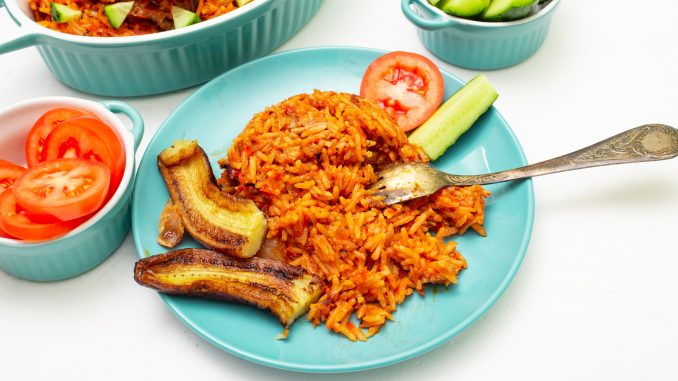
Jollof rice is more than just a dish—it is a cultural emblem, a symbol of pride, and a cornerstone of social gatherings across West Africa. Often considered the heart of West African cuisine, jollof rice is a one-pot tomato-based rice dish, typically made with long-grain parboiled rice, tomatoes, onions, pepper, and a variety of spices. Though its core ingredients are shared across the region, each country—and even each household—adds its own twist, leading to friendly rivalries, especially between Nigeria, Ghana, and Senegal.
Origins and Evolution
The roots of jollof rice can be traced back to the Senegambian region, particularly the ancient Wolof Empire (also known as the Jolof Empire) in present-day Senegal and The Gambia. It is widely believed that the original version of the dish, known as thieboudienne or chebu jen, evolved into what is now known as jollof rice as it spread across West Africa through trade and migration.
The original Senegalese version includes fish and a variety of vegetables like carrots, cabbage, and cassava. As it made its way into other countries, local ingredients and tastes shaped how it was prepared. The Nigerian and Ghanaian versions, for instance, tend to use more chili and spice, with beef, chicken, or goat as the preferred protein.
National Pride and Regional Rivalry
Perhaps no other West African dish inspires as much passion and debate as jollof rice. The “Jollof Wars” between Nigeria and Ghana—centered on whose recipe is superior—have become a playful yet serious cultural contest. While Ghanaian jollof often uses basmati rice and is known for a lighter tomato flavor, Nigerian jollof tends to be more intensely spiced and smoky, often cooked with firewood to enhance the aroma.
These rivalries, though lighthearted, reflect the deep cultural connection people have with the dish. Jollof rice is more than sustenance; it is a symbol of national identity and a source of communal pride. It is the centerpiece of weddings, birthdays, festivals, and other celebrations, where it brings people together across generations and social classes.
Global Recognition and Diaspora Influence
In recent years, jollof rice has gained international attention. West African restaurants in cities like London, New York, and Toronto serve it as a flagship dish, introducing it to a broader global audience. Influencers and food bloggers have popularized it on social media, and chefs of African descent have begun to reimagine it in gourmet settings.
The rice dish itself works well in fusion cuisine. We have tried it in a recipe with tofu which makes a suitable dish blending African and Asian influences.
In the diaspora, jollof rice often serves as a link to heritage—a way for those far from home to reconnect with their roots. It is also a gateway dish for non-Africans to begin exploring the richness and diversity of African cuisine.
Jollof rice is a culinary ambassador for West Africa, telling stories of migration, adaptation, and resilience through its flavors. Whether served on a plastic plate at a street-side party or elegantly plated in a fine-dining restaurant, jollof rice continues to represent the unity and diversity of West African culture. It is a reminder that food is not just about taste, but also about history, identity, and community.
Here’s a comprehensive jollof rice recipe, including ingredients, equipment, preparation and cooking times, and estimated nutritional information. This version is the classic Nigerian-style jollof rice with a smoky, spicy tomato base.
Nigerian Jollof Rice Recipe
Prep Time: 20 minutes
Cook Time: 45–50 minutes
Servings: 6
Equipment Needed
-
Large pot or Dutch oven (preferably with a tight-fitting lid)
-
Blender or food processor
-
Wooden spoon
-
Knife and chopping board
-
Measuring cups and spoons
-
Aluminum foil or parchment (optional for sealing)
Ingredients
For the Tomato Base (Purée):
-
4 large tomatoes (or 1 can of whole plum tomatoes)
-
1 red bell pepper
-
1 medium onion (half for sauce, half sliced for rice)
-
2–3 scotch bonnet peppers (adjust to taste)
-
2 cloves garlic
-
1-inch ginger (peeled)
For the Rice:
-
3 cups long-grain parboiled rice (preferably Golden Sella)
-
1/4 cup vegetable oil
-
2 tablespoons tomato paste
-
1 teaspoon thyme
-
1 teaspoon curry powder
-
2 bay leaves
-
1–2 seasoning cubes (Maggi or Knorr)
-
1 teaspoon salt (adjust to taste)
-
4 cups chicken stock or water
-
1/2 teaspoon white pepper (optional)
-
1 medium onion, thinly sliced
-
Protein of choice (grilled chicken, beef, or fish – optional)
Preparation Steps
Step 1: Blend the Tomato Base
-
Blend the tomatoes, bell pepper, scotch bonnet, garlic, ginger, and half an onion until smooth. Set aside.
Step 2: Parboil and Rinse the Rice
-
Rinse the rice thoroughly in cold water until the water runs clear to remove excess starch. Drain and set aside.
Cooking Instructions
-
Fry the Tomato Paste & Base
-
Heat oil in a large pot over medium heat.
-
Add sliced onions and sauté until soft.
-
Stir in the tomato paste and cook for 2–3 minutes.
-
Add the blended tomato mixture. Cook on medium heat, stirring frequently, until the mixture reduces and the oil starts to separate (about 15–20 minutes).
-
-
Add Seasoning and Stock
-
Add thyme, curry, white pepper, seasoning cubes, salt, and bay leaves.
-
Pour in the chicken stock and bring to a boil.
-
-
Cook the Rice
-
Add the rinsed rice to the pot and stir well.
-
Cover the pot tightly (use foil under the lid to trap steam if needed).
-
Reduce heat to low and simmer for 30–35 minutes. Avoid stirring too often to prevent soggy rice.
-
If the rice is still firm after the liquid is absorbed, add a small splash of hot water and cover again to steam.
-
-
Final Touch
-
Once rice is tender and has absorbed the flavors, gently stir from bottom to top to mix well.
-
Optionally, leave the rice to slightly burn at the bottom for a smoky flavor—this is called “party jollof” in Nigeria.
-
Serving Suggestions
Serve with:
-
Grilled or fried chicken
-
Fried plantains
-
Steamed vegetables or salad
-
Moi moi (bean pudding)
Estimated Nutritional Information (Per Serving)
| Nutrient | Amount |
|---|---|
| Calories | 420–500 kcal |
| Carbohydrates | 60–70g |
| Protein | 6–10g |
| Fat | 15–20g |
| Saturated Fat | 2–4g |
| Fiber | 3–5g |
| Sodium | 600–800mg |
| Sugars | 5–7g |
⚠️ Values are estimates and vary based on brands, ingredients, and serving sizes.
If you do not have the time then Jollof rice is available from various suppliers such as Eat Regal which produce it ready-made in 8.8 oz. pouches.
[Please note we are an affiliate marketing partner and will make a sales commission if you purchase any items through our affiliate links. Please read our affiliate disclosure]

Leave a Reply