Hors d’oeuvres are an essential and elegant component of the culinary arts, representing small, carefully prepared dishes that are served before the main course of a meal or during social gatherings. The term itself originates from French, literally translating to “outside the work,” which signifies that these dishes are separate from the primary courses of a meal. Their purpose is multifaceted: they are designed to whet the appetite, provide a taste of the culinary style to come, and create a social atmosphere that encourages conversation and engagement among diners. Unlike entrees, which are the main focus of a meal, hors d’oeuvres are meant to be delicate, visually appealing, and small enough to consume in a bite or two, allowing guests to enjoy multiple flavors without becoming satiated too quickly.
Historically, hors d’oeuvres emerged in European dining traditions, particularly in France, during the elaborate feasts of the 17th and 18th centuries. In these contexts, meals were long, formal affairs, often consisting of multiple courses served sequentially. The introduction of small, flavorful dishes outside of the main courses served several purposes. Firstly, they prepared the palate for the upcoming courses, stimulating appetite and introducing subtle flavor contrasts. Secondly, they functioned as a social tool, allowing guests to mingle and enjoy small bites during pre-dinner gatherings without committing to a full plate of food. Over time, this tradition spread across Europe and eventually to other parts of the world, evolving into the diverse and sophisticated range of hors d’oeuvres seen today.
At their core, hors d’oeuvres can be categorized by style, preparation, and serving method. One of the most recognized forms is the canapé, which typically consists of a small base of bread, cracker, or pastry topped with a spread, garnish, or protein. Canapés exemplify the art of balancing textures and flavors in miniature, often incorporating creamy elements such as cheeses, pâtés, or spreads, coupled with crunchy bases and fresh herbs or vegetables. A smoked salmon canapé on a small rye toast with a dab of cream cheese and dill, for instance, demonstrates how a single bite can combine multiple flavors and textures while remaining elegant and manageable. Canapés are a staple at formal events, from weddings to diplomatic receptions, because they are visually appealing and easily consumed without utensils.
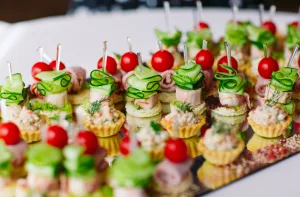
Another common category of hors d’oeuvres is finger foods, which are designed to be picked up and eaten in one or two bites. Finger foods can range from simple items, like stuffed olives or cherry tomatoes, to more intricate preparations, such as mini quiches or meatballs served on cocktail sticks. These items are particularly popular in less formal settings, such as cocktail parties or casual gatherings, where the emphasis is on social interaction rather than seated dining. The portability and ease of consumption make finger foods versatile, allowing hosts to cater to large groups without requiring formal plating or serving.
Dips and spreads also occupy an important place in the hors d’oeuvre repertoire. These items are typically served with accompaniments such as sliced vegetables, bread, or crackers, and offer a more interactive dining experience. Hummus, guacamole, and spinach-artichoke dip are classic examples of this category, allowing guests to customize each bite and explore different textures and flavors. Beyond the flavor profile, dips and spreads contribute to the communal aspect of dining, as guests often gather around platters or bowls to share these small yet satisfying preparations.
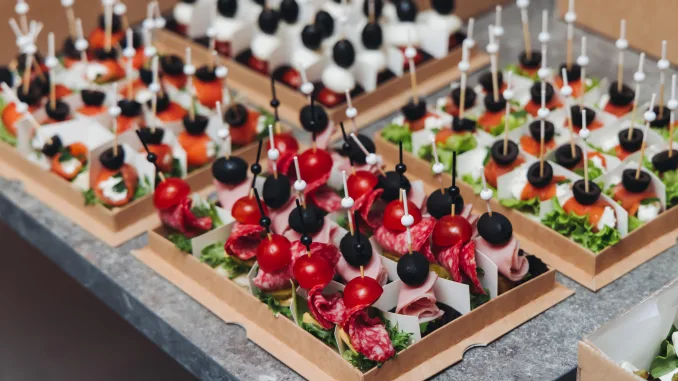
Skewered or picked hors d’oeuvres are another variation, combining convenience with visual appeal. Ingredients are assembled on toothpicks, cocktail sticks, or small skewers, creating bite-sized morsels that are both practical and attractive. This format is ideal for serving seafood, vegetables, and cheeses, as it maintains the integrity of the components while allowing guests to enjoy them without utensils. Caprese skewers, consisting of cherry tomatoes, mozzarella balls, and basil drizzled with balsamic reduction, exemplify this approach, providing a fresh and colorful option that is easy to handle and eat. Similarly, shrimp cocktail skewers or combinations of cured meats and olives cater to both taste and presentation.
Pastry-based hors d’oeuvres showcase the culinary artistry of incorporating rich, savory flavors into small, elegant forms. Miniature pies, tarts, and puff pastries allow for elaborate fillings and layering techniques while maintaining a manageable portion size. Classic examples include mushroom tartlets, cheese straws, and mini sausage rolls. These items are often baked until golden brown, enhancing both flavor and visual appeal, and they offer a satisfying combination of crispness and filling that appeals to a wide range of palates. Their adaptability also makes them suitable for both hot and cold serving options, depending on the event’s requirements.
Seafood hors d’oeuvres represent a particularly refined subset of this culinary category. Often served cold or lightly chilled, seafood items such as smoked salmon rolls, crab cakes, or oysters on the half shell convey luxury and sophistication. They are prized for their delicate flavors and visual elegance, frequently accompanied by complementary sauces or garnishes that enhance their natural taste. In some cultures, these dishes carry ceremonial or celebratory significance, reflecting the prestige and care associated with high-quality ingredients. Hot seafood options, such as mini shrimp or scallop skewers, provide warmth and richness while maintaining a compact, bite-sized presentation.
The category of hot hors d’oeuvres broadens the appeal of pre-meal offerings by introducing warmth and complexity. These items can include baked, sautéed, or fried preparations that are served in small portions to preserve the balance between appetite stimulation and satiation. Examples include stuffed jalapeños, mini spring rolls, baked brie bites, or crispy chicken tenders. The primary challenge with hot hors d’oeuvres lies in timing and presentation, as they are most appealing when served immediately after preparation to maintain optimal texture and temperature. Skilled chefs often coordinate the timing of these dishes meticulously to ensure that guests experience the intended sensory effects.
| Type of Hors d’Oeuvre | Examples | Serving Style | Origin/Notes |
|---|---|---|---|
| Canapés | Smoked salmon on rye toast, pâté on toast points, cucumber with cream cheese | Small base (bread/cracker/pastry) topped with spreads or garnishes; bite-sized | Classic French; elegant, often served at formal events |
| Finger Foods | Mini quiches, meatballs on toothpicks, stuffed mushrooms | Eaten by hand, usually one or two bites | Versatile; common in casual or cocktail settings |
| Dips & Spreads | Hummus, guacamole, spinach-artichoke dip | Served with bread, crackers, or vegetables; communal sharing | Popular globally; interactive, encourages social engagement |
| Skewered / Picked | Caprese skewers, shrimp cocktail skewers, olives & cheese bites | Served on toothpicks or small skewers; easy to pick up | Combines visual appeal with convenience; popular in buffets & parties |
| Pastry-Based | Miniature pies, puff pastries, cheese straws, mushroom tartlets | Baked or fried; served warm or room temperature | Showcases culinary technique; adaptable to hot or cold service |
| Seafood | Smoked salmon rolls, crab cakes, oysters on the half shell | Cold or lightly chilled; sometimes with sauces | Often luxurious; emphasizes delicate flavors and presentation |
| Hot Hors d’Oeuvres | Stuffed jalapeños, mini spring rolls, baked brie bites | Served warm, usually small portions | Requires precise timing; enhances sensory experience with heat and texture |
| Vegetarian / Vegan | Roasted vegetable skewers, avocado canapés, stuffed mushrooms | Bite-sized; can be served hot or cold | Adapts hors d’oeuvres for dietary restrictions; highlights creativity in plant-based cuisine |
| Global / Ethnic Inspirations | Mini tacos, dim sum dumplings, empanadas, mezze platters | Varies by cuisine; can be skewered, plated, or served family-style | Shows the worldwide adaptation of hors d’oeuvres across cultures |
| Cheese & Charcuterie Bites | Cheese cubes with fruit, cured meat rolls, brie & cranberry bites | Often skewered or on crackers; served cold | Highlights flavor contrast; common in Western-style receptions |
| Gourmet / Luxury | Foie gras canapés, truffle arancini, caviar-topped blinis | Bite-sized, plated with attention to detail | Used in high-end events; emphasizes exclusivity and refinement |
Beyond their culinary diversity, hors d’oeuvres serve a broader social and cultural function. They are often the first impression of a meal or event, setting the tone for the overall experience. At formal gatherings, the presentation, composition, and creativity of hors d’oeuvres reflect the host’s attention to detail and sophistication. In more casual contexts, they provide an opportunity for experimentation, allowing hosts to introduce unique flavors, fusion elements, or local ingredients that engage guests and encourage conversation. The social nature of hors d’oeuvres is particularly evident in buffet-style or cocktail events, where guests move freely, sampling a variety of small dishes while interacting with one another.
Culturally, the concept of hors d’oeuvres has evolved to incorporate global influences, resulting in an extraordinary diversity of flavors, techniques, and ingredients. In Mediterranean cuisine, for instance, hors d’oeuvres often feature olives, cheeses, roasted vegetables, and seafood, highlighting the region’s emphasis on fresh, high-quality ingredients. In East Asian traditions, small steamed or fried dumplings, sushi, and vegetable rolls serve a similar function, offering delicate, bite-sized portions that complement the main courses. Latin American influences bring vibrant flavors and spices into hors d’oeuvres, including empanadas, ceviche, and mini tacos, while Middle Eastern preparations showcase an array of dips, flatbreads, and spiced meats. This global integration reflects both the adaptability of hors d’oeuvres and their role as a culinary bridge across cultures.
In contemporary culinary practice, the importance of visual presentation cannot be overstated. Hors d’oeuvres are often judged not only on taste but also on appearance, with chefs employing color, texture, and arrangement to create an aesthetic appeal that enhances the dining experience. Small garnishes, edible flowers, and precise plating techniques transform simple ingredients into sophisticated bites that captivate the eye before pleasing the palate. This focus on presentation underscores the role of hors d’oeuvres as both an artistic and gastronomic endeavor, bridging the worlds of food science and visual artistry.
Hors d’oeuvres also reflect modern dietary considerations and preferences, accommodating vegetarian, vegan, gluten-free, and other specialized diets. This inclusivity ensures that all guests can participate in the pre-meal experience, while also allowing chefs to experiment with plant-based proteins, alternative grains, and inventive flavor combinations. For instance, roasted vegetable skewers, avocado-based spreads, and grain-based canapés demonstrate how creativity can meet dietary requirements without compromising elegance or flavor. The flexibility of hors d’oeuvres to adapt to contemporary health and ethical concerns illustrates their continued relevance and appeal in diverse dining contexts.
From a practical standpoint, the preparation and service of hors d’oeuvres require careful planning and coordination. Ingredients must be fresh and properly proportioned, cooking times must be managed to maintain quality, and serving logistics must ensure that dishes remain at the appropriate temperature and presentation. In large-scale events, hors d’oeuvres may be prepared in advance and assembled shortly before serving, while in intimate gatherings, chefs often prepare items in real-time, emphasizing freshness and immediacy. Attention to these operational details enhances both the gastronomic and social impact of the dishes, creating a seamless and memorable experience for guests.
Ultimately, hors d’oeuvres are more than mere appetizers; they are a reflection of culinary sophistication, cultural exchange, and social interaction. They introduce diners to the flavors and themes of a meal, provide opportunities for creativity and experimentation, and facilitate connection and conversation among guests. Whether served as elegant canapés at a formal dinner, casual finger foods at a cocktail party, or globally inspired small plates at a cultural gathering, hors d’oeuvres exemplify the power of small bites to create lasting impressions. Their enduring popularity is a testament to their versatility, artistry, and fundamental role in human dining traditions.
In conclusion, the world of hors d’oeuvres is both vast and intricate, encompassing a wide range of flavors, techniques, and presentations. From the delicate smoked salmon canapé to the robust mini meatball, from cold dips to hot pastries, these small dishes serve a vital role in the dining experience. They stimulate the appetite, enhance social interaction, reflect cultural influences, and provide a platform for culinary artistry. As dining trends continue to evolve, hors d’oeuvres remain a cornerstone of gastronomy, adaptable to changing tastes and dietary needs while retaining their essential function: to delight, intrigue, and prepare the diner for the feast that follows. Their elegance, versatility, and cultural significance ensure that hors d’oeuvres will remain a cherished element of culinary practice for generations to come.

Leave a Reply