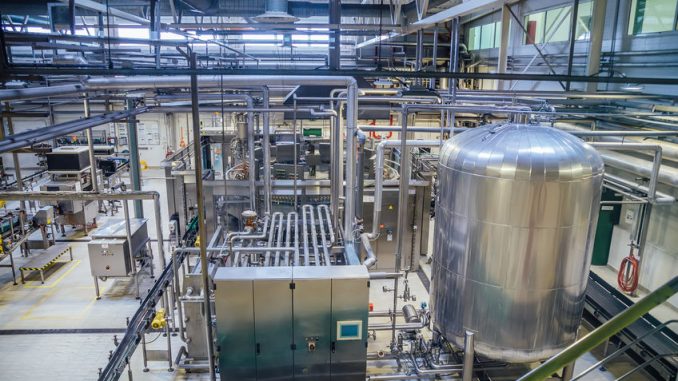
Costing the engineering of microbes especially for what is now called precision fermentation is a topic of considerable interest to anyone embarking on defined protein production. We know a great deal about fermentation but we are still coming to terms with how much it costs to produce specific proteins from recombinantly-engineered microbes. It is an enormous discipline in its own right but often becomes treated in one or two lectures for example because it is about commerce rather than the high-minded principles of what has been an academic subject.
A number of key motivations exist for actively pursuing precision fermentation. One is the possibility of revolutionizing the food industry by producing sustainable proteins as ingredients to satisfy global challenges. We know that by 2050, the population of the world will be 9.2 billion. That number will drive a 72-75% increase in the demand for protein let alone any other nutrients such as fats or carbohydrates. Traditional agriculture already occupies 77% of the total farmland available in the world. Because of conventional agriculture, 30% to 35% of all greenhouse gas emissions comes from this sector and is frankly becoming unsustainable.
The other major driver is the development of drugs from microbes which is revolutionizing medicine especially the pharmaceutical industry. A number of new products are possible for use in treating cancers, immunity, killing harmful bacteria and so on. A massive industry!
Precision fermentation has emerged as a commercially viable method of producing a host of proteins. As we have just mentioned, we now have the potential to produce animal and plant protein alternatives that can be manufactured with better functionality. It starts by inducing targeted mutations to generate a desirable protein structure that could generate superior functionality.
We need to start at the very earliest opportunity with how much it costs to produce a recombinant organism before embarking on the costs associated with fermentation, the kit needed, the raw material costs and whether any suitable figures can be applied. Overall, the costs of engineering microbes for high-yield protein production in precision fermentation can be broken down into several key areas. Work at this end leads to significant benefits when it comes to scale-up of a fermentation. That last step is perhaps the one part of the process of development that causes so many issues later on if it is not conducted properly.
1. Strain Development and Engineering
-
Genetic Engineering Costs:
-
Gene synthesis and editing (e.g., CRISPR, homologous recombination).
-
Plasmid/vector design and synthesis
-
Codon optimization for high expression
-
New strains are produced using a host of methods referenced above but a technique finding current favour is the use of expression cassettes that significantly raise the expression of any target protein. It can also involve destroying or knocking out genes that are involved in superfluous and background protein production. This activity removes proteins that behave as impurities in the final product and increase the cost of downstream processing encountered later on. A specific activity is to destroy genes that produce proteases because they destroy the proteins of interest often during the fermentation process.
-
Screening and Optimization:
-
High-throughput screening of engineered strains
-
Adaptive laboratory evolution (ALE)
-
Metabolic modeling and flux analysis
-
-
Host Selection and Engineering:
-
Choice of bacteria, yeast, or fungi (e.g., E. coli, S. cerevisiae, Pichia pastoris)
-
Knockout of competing pathways
-
Integration of secretion systems for protein export
-
Estimated cost: $50,000 – $500,000+, depending on complexity and number of iterations.
2. Media and Feedstock Costs
-
Development of cost-effective growth media (sugars, nitrogen, vitamins, minerals)
-
Optimization of carbon/nitrogen sources to increase yield
-
Exploring alternative feedstocks (e.g., waste-derived carbon sources, lignocellulosic hydrolysates)
Estimated cost: Highly variable; bulk feedstock costs range from $0.50 to $5 per liter.
3. Bioprocess Development
-
Fermentation Optimization:
-
Bioreactor setup (batch, fed-batch, continuous fermentation)
-
Optimization of pH, temperature, aeration, and agitation
-
-
Downstream Processing (DSP):
-
Cell lysis or secretion-based recovery
-
Protein purification (e.g., chromatography, ultrafiltration)
-
Drying, formulation, and stabilization
-
To rapidly speed up fermentation development, a laboratory will operate a number of fermentation units often of only 5 litres maximum to check the performance of individual strains. This part of the process of research and development defines how feasible it is in economic terms to put together a process of manufacture, to understand the fermentation and purification process including building a knowledge bank, levels of inoculum, the feeding strategy, type of mixing etc..
Estimated cost: $100,000 – $1 million for scale-up trials.
4. Scale-Up and Pilot Production
-
Small-scale (1–10 L) to pilot-scale (100–1,000 L) fermentation
-
Tech transfer from lab to commercial production
-
Process validation and optimization
Estimated cost: $500,000 – $5 million.
5. Regulatory and Compliance
-
GRAS (Generally Recognized as Safe) or Novel Foods approval in Europe.
-
Regulatory submissions (FDA, EFSA, etc.)
-
Safety and allergenicity testing
-
Environmental impact assessments
Estimated cost: $500,000 – $2 million+.
6. Intellectual Property and Licensing
-
Patent filing and maintenance
-
Licensing fees for proprietary strains, enzymes, or technologies
-
Freedom-to-operate (FTO) analysis
Estimated cost: $100,000 – $1 million+.
Total Estimated Cost
For a startup or company developing a precision fermentation strain from scratch and scaling it to commercial levels, total costs can range from $5 million to $50 million, depending on complexity, regulatory hurdles, and scale.
The Cost Of Raw Materials For Fermentation
The cost of raw materials plays a critical role in the economics of precision fermentation, especially in the alternative protein market, where margins are tight and scalability is still being optimized. The following is a breakdown of how raw material costs affect overall production economics:-
1. Raw Materials as a Major Cost Driver
In precision fermentation—used to produce alternative proteins like whey protein, casein, egg white protein (ovalbumin), or heme—raw materials typically account for 30–80% of operating costs, depending on the process and scale.
Key raw material inputs include:
-
Carbon sources: Glucose, sucrose, or other sugars.
-
Nitrogen sources: Ammonia, urea, yeast extract, peptones.
-
Minerals & micronutrients: Essential for microbial metabolism.
-
Water & buffers: For media and downstream processing.
In high-value protein production (e.g., animal-free dairy or meat proteins), carbon sources are the dominant contributor, with glucose or sucrose making up a significant portion of feedstock costs.
2. Impact on Product Cost and Pricing
Because raw materials are such a large part of the cost structure, fluctuations in their prices directly influence:
-
Cost per kilogram of product
-
Profit margins
-
Retail pricing, which is critical in competing with conventional animal proteins.
For example:
-
A 10% increase in sugar cost can increase the total cost of goods sold (COGS) for a precision-fermented protein product by 3–8%, depending on the process yield.
3. Effect on Process Design and Optimization
High raw material costs drive innovation in:
-
Strain engineering: To improve substrate conversion efficiency.
-
Feedstock selection: Moving from glucose to cheaper, non-food-grade inputs like agricultural side-streams or waste-derived sugars (e.g., molasses, lignocellulosic hydrolysates).
-
Process intensification: Higher cell densities and continuous fermentation to reduce material input per kg of product.
4. Sustainability and Market Perception
Using low-cost, renewable, or upcycled feedstocks is not only cost-effective but also aligns with consumer expectations of sustainable food systems. This can open doors to:
-
Carbon credits
-
Eco-labeling
-
Partnerships with circular economy players
5. Scale-Up Challenges
At lab and pilot scale, feedstocks are often pharmaceutical- or food-grade, which are expensive. Moving to industrial-grade or technical-grade raw materials is key to lowering costs at commercial scale. However, this may:
-
Introduce variability in quality
-
Require additional purification or processing steps
-
Demand robustness in microbial strains
6. Example Case (see a more developed example later): Precision-Fermented Whey Protein
Let’s say a company is producing β-lactoglobulin using engineered yeast:
-
Glucose cost: $0.30/kg
-
Media cost per batch: $10–15/kg of protein (at pilot scale)
-
Total production cost (pilot): ~$50–100/kg
-
Target commercial cost: <$10/kg
Lowering raw material cost by switching to cheaper sugars or agricultural residues can reduce media costs by 50–70%, which significantly narrows the gap toward price parity with conventional whey (~$1–2/kg).
Summary
| Factor | Influence of Raw Material Costs |
|---|---|
| Operating Costs | Major component (30–80%) |
| Cost per Kg of Product | Directly proportional |
| Process Optimization | Drives yield improvement and alternative feedstock usage |
| Market Competitiveness | Affects price parity with traditional animal-based proteins |
| Scalability & Risk | Higher costs limit scale-up and investor confidence |
Case Study: Animal-Free Egg Protein (Ovalbumin) via Precision Fermentation
1. Product Overview
Ovalbumin is the primary protein in egg white (~54% of total protein content) and is used widely in:
-
Baking and confectionery (foaming, gelling, binding)
-
Nutritional supplements
-
Cosmetics and pharma applications
Producing ovalbumin through precision fermentation involves engineering microbes (e.g., Aspergillus oryzae, Trichoderma reesei, or Saccharomyces cerevisiae) to express the ovalbumin gene, enabling scalable, animal-free production.
2. Process Overview
| Step | Description |
|---|---|
| Strain engineering | Inserting the ovalbumin gene into a suitable host |
| Fermentation | Culturing the microbe in nutrient-rich media |
| Protein expression | Microbes produce ovalbumin intracellularly or extracellularly |
| Downstream processing | Cell harvesting, protein extraction, purification |
| Drying/formulation | Spray-drying into powder or preparing liquid concentrate |
3. Raw Material Cost Breakdown (Pilot Scale)
Let’s assume a 1,000-liter fermentation targeting 1 kg of pure ovalbumin at the pilot stage.
| Component | Quantity (approx.) | Unit Cost (USD) | Total Cost (USD) |
|---|---|---|---|
| Carbon source (glucose) | 100 kg | $0.30/kg | $30 |
| Nitrogen (e.g., urea/yeast extract) | 10 kg | $3.00/kg | $30 |
| Minerals, salts, buffers | – | – | $10 |
| Water, utilities | – | – | $5 |
| Antifoam, additives | – | – | $5 |
| Total Raw Material Cost | $80 |
So, raw materials account for $80/kg of product at pilot scale.
Note: Downstream processing, labour, capital, and quality testing could add another $150–200/kg, bringing the total production cost to ~$230–280/kg.
4. Impact on Production Economics
| Scenario | Raw Material Cost | Total COGS (est.) | Retail Price Target |
|---|---|---|---|
| Pilot scale | $80/kg | ~$250/kg | ~$400–500/kg |
| Pre-commercial scale | $30–50/kg | ~$80–120/kg | ~$150–200/kg |
| Full commercial scale | <$10/kg | $20–40/kg | ~$40–70/kg |
At scale, reaching < $10/kg for raw materials is essential for approaching price parity with traditional egg white protein (~$4–6/kg retail for powdered egg white).
5. Scale-Up Challenges
-
Feedstock purity: Food-grade glucose is expensive. Moving to industrial-grade or waste-derived sugars is key.
-
Yield optimization: Increasing grams of ovalbumin per liter of broth (g/L) through strain engineering and process tuning.
-
Downstream efficiency: Reducing losses in purification steps can increase yield per input unit.
6. Strategies to Reduce Raw Material Costs
| Strategy | Description | Cost Impact |
|---|---|---|
| Use of low-cost feedstocks | Molasses, hydrolyzed starches, food/agricultura waste | -40–70% feed cost |
| Strain metabolic engineering | Improve conversion efficiency, reduce byproducts | Higher yield = lower cost |
| Fed-batch or continuous fermentation | Better substrate utilization, higher productivity | Lower media usage |
| Media recycling | Reuse of non-consumed media components | -10–20% savings |
| Co-product valorization | Sell biomass or metabolites (e.g., lipids, enzymes) | Cost offsetting |
Cost Breakdown Model: Precision Fermentation of Ovalbumin
Scale: 100,000-liter fermenter
Target Output: 10 metric tons/month of purified ovalbumin
Assumptions:
-
Productivity: 5 g/L
-
Fermentation time: ~5 days per batch
-
Recovery efficiency: 80%
-
Glucose-based medium
-
Continuous or semi-continuous operation
🔹 1. Raw Material Costs (~25–35% of total cost)
| Component | Usage Estimate | Unit Cost | Cost Contribution |
|---|---|---|---|
| Glucose (sugar) | ~0.6–0.8 kg/kg ovalbumin | $0.25–$0.35/kg | $0.15–$0.30 |
| Nitrogen source | ~0.05–0.1 kg/kg | $2.50/kg | $0.10–$0.25 |
| Minerals/salts | — | — | ~$0.05 |
| Water/utilities | — | — | ~$0.03 |
| Additives/antifoam | — | — | ~$0.05 |
| Total (Raw Mats) | $0.40–$0.70/kg |
🔹 2. Upstream Operational Costs (~15–20%)
| Category | Description | Estimate |
|---|---|---|
| Fermenter operation | Energy, maintenance, labour | $0.20–$0.30/kg |
| CIP & sterilization | Steam, water, detergents | $0.05–$0.10/kg |
| Microbial strain upkeep | QA/QC and strain propagation | $0.05–$0.10/kg |
| Total Upstream OPEX | $0.30–$0.50/kg |
🔹 3. Downstream Processing (DSP) (~25–35%)
Downstream includes filtration, chromatography, drying, and QA.
| Stage | Estimate per kg protein |
|---|---|
| Harvesting & filtration | $0.10–$0.15 |
| Chromatography/UF | $0.25–$0.40 |
| Drying (spray/freeze) | $0.20–$0.30 |
| Quality testing & QC | $0.10 |
| Total DSP | $0.65–$0.95/kg |
DSP is a major cost driver, especially for food-grade or pharma-purity proteins.
🔹 4. Capital Expenditures (CAPEX) – Amortized (~10–20%)
| Asset | Description | Est. Amortization |
|---|---|---|
| Bioreactors | Stainless steel or single-use | $0.10–$0.20/kg |
| DSP equipment | Chromatography units, dryers | $0.10–$0.20/kg |
| Utilities/infrastructure | Boilers, HVAC, water systems | $0.05–$0.10/kg |
| Depreciation period | 10 years | — |
| Total Amortized CAPEX | $0.25–$0.45/kg |
🔹 5. Labour and Overheads (~10–15%)
| Type | Description | Estimate |
|---|---|---|
| Personnel | Bioprocess engineers, operators | $0.10–$0.20/kg |
| Overheads | QA, admin, logistics, compliance | $0.10–$0.20/kg |
| Total labour/OH | $0.20–$0.40/kg |
🔹 6. Packaging, QA, Distribution (~5–10%)
| Component | Description | Estimate |
|---|---|---|
| Packaging | Food-grade containers | $0.05–$0.10/kg |
| Distribution | Cold-chain or dry transport | $0.05–$0.10/kg |
| Certification | Food safety, labeling, audits | $0.02–$0.05/kg |
| Total | $0.12–$0.25/kg |
Total Estimated Cost of Goods Sold (COGS)
| Cost Category | Range (per kg ovalbumin) |
|---|---|
| Raw materials | $0.40 – $0.70 |
| Upstream operations | $0.30 – $0.50 |
| Downstream processing | $0.65 – $0.95 |
| Amortized capital | $0.25 – $0.45 |
| labour & overheads | $0.20 – $0.40 |
| Packaging/distribution | $0.12 – $0.25 |
| Total COGS | $1.92 – $3.25 |
Target Market Price
| Market | Price Range (USD/kg) |
|---|---|
| Traditional egg white (dried) | $3–6 |
| Functional food proteins | $5–10 |
| Premium applications (vegan) | $8–12 |
If produced at $2–3/kg, precision-fermented ovalbumin can achieve price parity with conventional dried egg white and may even undercut it in premium or functional markets.
Levers to Lower Cost Further
| Lever | Potential Savings |
|---|---|
| Use of cheaper feedstocks (molasses, hydrolysates) | -30–50% raw mat cost |
| Higher titers (↑ g/L yield) | Lower batch cost/unit |
| Strain improvement | ↑ productivity, ↓ fermentation time |
| Continuous fermentation | ↓ downtime, ↑ output |
| Co-product monetization | Offset cost of protein |
Summary Table
| Aspect | Pilot Stage | Target for Commercial Scale |
|---|---|---|
| Raw material cost/kg | ~$80 | <$10 |
| Total cost of production | ~$250 | $20–40 |
| Productivity (g/L) | ~1–2 g/L | 5–10 g/L |
| Market price (traditional) | ~$4–6/kg | — |
| Price parity goal | ~$5–10/kg | Achievable with scale + feedstock optimization |
Final Thoughts
Raw material cost is a make-or-break factor in the precision fermentation of animal-free egg protein. Innovations in feedstock sourcing, bioprocessing, and strain design are essential to achieving cost competitiveness and sustainable production.
A Sensitivity Analysis
Key Takeaways:
-
Higher yields (g/L) significantly reduce COGS by diluting fixed and processing costs per kg of product.
-
Lower glucose prices also reduce raw material cost, but the effect is more modest unless yields are already high.
-
To reach COGS below $2/kg, you’d typically need:
-
Yield ≥ 8 g/L
-
Glucose price ≤ $0.20/kg
-
Case Study: Animal-Free Whey Protein (β-lactoglobulin) via Precision Fermentation
1. Product Overview
Here is a typical case study for the production of a whey protein that is commercially feasible and has been worked on by a number of businesses including Perfect Day (India-USA) and ImaginDairy (Izrael) for example. It is a study representative of the production and purification of any food protein.
β-lactoglobulin is:
-
The primary whey protein in bovine milk (∼50–55% of whey protein)
-
Critical in nutrition (high bioavailability, amino acid profile)
-
Widely used in:
-
Sports and infant nutrition
-
Protein-fortified foods
-
Dairy analogues (cheese, milk, yogurt)
-
Through precision fermentation, microbes like Trichoderma reesei, Kluyveromyces lactis, or Pichia pastoris are engineered to express the β-lactoglobulin gene, producing the protein without animals. To create new strains, a number will be assessed and the best producing beta-lactoglobulin producing strains selected. Compared to initial strains, improvements of between 5-fold to 20-fold production of beta-lactoglobulin are possible
2. Fermentation Process Overview
| Step | Description |
|---|---|
| Host strain development | Genetic insertion of β-lactoglobulin gene into a safe microbe |
| Fermentation | High-cell-density culture in bioreactors using a sugar-based medium |
| Protein expression | Protein is secreted or harvested from biomass |
| Purification | Filtration, chromatography, concentration, drying |
| Formulation | Powder or liquid protein concentrate |
3. Raw Material Cost Breakdown (Pilot Scale)
Let’s assume a 1,000 L fermenter aiming to produce 1 kg of β-lactoglobulin at pilot scale (low yield scenario: ~1 g/L).
| Component | Quantity (approx.) | Unit Cost (USD) | Total Cost (USD) |
|---|---|---|---|
| Glucose (carbon source) | 100–120 kg | $0.30/kg | $30–36 |
| Nitrogen (yeast extract/urea) | 8–10 kg | $2.50–4.00/kg | $25–40 |
| Micronutrients & salts | — | — | ~$10 |
| Water and utilities | — | — | ~$5 |
| Antifoam and additives | — | — | ~$5 |
| Total Raw Material Cost | $75–95 |
At pilot scale, raw materials cost ~$80–100 per kg of protein.
4. Economic Impact by Scale
| Scale | Raw Material Cost | Total COGS (est.) | Commercial Price (target) |
|---|---|---|---|
| Pilot (R&D) | $80–100/kg | $300–400/kg | $400–700/kg |
| Demonstration | $30–60/kg | $100–200/kg | $150–250/kg |
| Commercial (full) | <$10/kg | $20–40/kg | $30–80/kg |
For price parity with traditional whey protein (~$2–6/kg wholesale), commercial operations must drastically reduce feedstock costs and improve yields.
5. Process Yield and Efficiency Targets
| Metric | Pilot Stage | Commercial Target |
|---|---|---|
| Productivity (g/L) | ~1–2 g/L | 5–10 g/L |
| Yield (g product/g glucose) | ~0.01–0.05 | 0.1+ |
| Fermentation time | 5–7 days | 2–4 days |
| Downstream recovery | ~50–60% | 80–90% |
6. Raw Material Cost Reduction Strategies
| Strategy | Example/Benefit | Potential Savings |
|---|---|---|
| Feedstock substitution | Use of molasses, food waste hydrolysates | -30–70% feed cost |
| Carbon efficiency optimization | Engineering strains to maximize sugar-to-protein yield | Higher productivity |
| Nitrogen source optimization | Use of urea, ammonium sulfate instead of yeast extract | -20–40% cost |
| Co-product valorization | Biomass, lipids, enzymes from spent media | Cost offsetting |
| Continuous fermentation | Reduces total sugar usage per kg of product | Efficiency gains |
7. Sustainability Angle
Using low-input, renewable feedstocks enhances both:
-
Cost-efficiency
-
Environmental footprint (lower CO₂ per kg protein)
Compared to conventional dairy:
-
GHG emissions: Can be 85–95% lower
-
Water use: Reduced by ~90%
-
Land use: Negligible
Summary Table
| Aspect | Pilot Scale Estimate | Commercial Target |
|---|---|---|
| Raw material cost/kg | $80–100 | <$10 |
| Total production cost/kg | ~$300–400 | $20–40 |
| Traditional whey cost/kg | $2–6 | — |
| Price parity target | <$10–15 | Feasible with scaling |
| Productivity (g/L) | 1–2 | 5–10 |
| Carbon source type | Food-grade glucose | Industrial/mixed sugars |
Final Thoughts
Precision-fermented β-lactoglobulin is technically viable and environmentally preferable, but raw material costs—especially carbon and nitrogen sources—are currently a bottleneck for cost competitiveness.
The key to commercial success lies in:
-
Feedstock substitution (molasses, lignocellulose hydrolysates)
-
Process intensification
-
Efficient downstream processing
-
High-yield strains that perform well under industrial conditions
The Capital Cost Of Equipment
The capital investment needed for precision fermentation depends heavily on the scale of production, the type of product (e.g. dairy proteins, enzymes, flavorings), and the desired level of vertical integration (in-house R&D, pilot plant, full-scale production). Here’s a structured overview:
1. Lab-Scale R&D Facility
Purpose: Strain development, metabolic engineering, and proof-of-concept fermentation
-
Fermenters: 1–10 L bioreactors
-
Cost: $500,000 – $3 million
-
Includes:
-
Molecular biology lab
-
Analytical equipment (HPLC, spectrophotometers, etc.)
-
Small-scale fermentation units
-
Downstream processing (centrifuges, filtration systems)
-
2. Pilot-Scale Facility
Purpose: Process development, scale-up studies, and pre-commercial production
-
Fermenters: 100–2,000 L
-
Cost: $5 million – $20 million
-
Includes:
-
Sterile media prep
-
Fed-batch or continuous bioreactors
-
CIP (Clean-In-Place) systems
-
Filtration & drying equipment
-
Quality assurance lab
-
3. Demonstration/Small Commercial Plant
Purpose: Limited commercial production, partner sampling, regulatory batches
-
Fermenters: 5,000–20,000 L
-
Cost: $20 million – $50 million
-
Includes:
-
Integrated fermentation suites
-
Automated controls
-
Waste management systems
-
Full utility setup (steam, chilled water, oxygen supply)
-
GMP compliance systems
-
4. Full-Scale Commercial Production Facility
Purpose: Large-scale, consistent global supply
-
Fermenters: 50,000–200,000 L
-
Cost: $80 million – $300+ million
-
Includes:
-
Multiple bioreactors
-
Complex downstream purification systems (chromatography, ultrafiltration)
-
High-throughput utilities (sterilization, HVAC, etc.)
-
On-site QC labs, warehouse, packaging lines
-
Regulatory and safety infrastructure
-
Additional Cost Considerations
-
Land and construction: $5 million – $50+ million depending on location
-
Custom or proprietary equipment: Especially for novel proteins or complex purifications
-
Utilities and sustainability infrastructure (e.g. water recycling, waste treatment)
-
Regulatory compliance build-out (e.g. HACCP, GMP certification)
Capital Investment Summary by Scale
| Facility Type | Typical Volume | Investment Estimate |
|---|---|---|
| Lab-scale R&D | 1–10 L | $0.5M – $3M |
| Pilot-scale | 100–2,000 L | $5M – $20M |
| Demo-scale | 5,000–20,000 L | $20M – $50M |
| Full commercial | 50,000–200,000 L | $80M – $300M+ |
Bottlenecks, Scaleability & Cost Efficiency
Precision fermentation is a cutting-edge technology used to produce specific functional ingredients—like proteins, enzymes, fats, or other biomolecules—by programming microorganisms (e.g., yeast, bacteria, or fungi) to produce them. Despite its promise, there are several key bottlenecks in purification, scalability, and cost efficiency that limit broader commercial adoption:
1. Purification Bottlenecks
Purification is often the most expensive and complex step in precision fermentation.
a. Downstream Processing Complexity
-
Target molecule concentration is often low in the fermentation broth, requiring extensive processing.
-
High water content in the broth makes recovery and concentration energy-intensive.
b. Selective Separation Challenges
-
Difficulty in separating the target molecule from similar by-products, host cell proteins, or media components.
-
Especially challenging when the product is intracellular, requiring cell lysis and subsequent separation.
c. Regulatory Standards
-
Food-grade or pharmaceutical-grade purification demands rigorous standards (e.g., removal of endotoxins), adding to cost and complexity.
2. Scalability Bottlenecks
Scaling precision fermentation from lab to industrial scale introduces both biological and engineering hurdles.
a. Strain Stability and Performance
-
Engineered microbes may lose productivity at scale or mutate under stress, reducing yield.
-
Some strains behave differently in large bioreactors due to oxygen, pH, or nutrient gradients.
b. Bioreactor Design & Control
-
Large-scale reactors require tight process control to ensure consistent product quality and yield.
-
Issues like foaming, viscosity, or mixing inefficiency can disrupt fermentation.
c. Batch vs. Continuous Processes
-
Most current processes are batch-based, which limits throughput and increases downtime.
-
Transitioning to continuous fermentation could improve scalability but is harder to control and stabilize.
3. Cost Efficiency Bottlenecks
Precision fermentation competes with commodity products, so reducing cost is crucial.
a. Feedstock Cost
-
Carbon sources like glucose or glycerol are major cost drivers.
-
Using cheaper feedstocks (e.g., agricultural waste or CO₂) is desirable but harder to implement.
b. Yield and Productivity
-
Low product titer (concentration), rate, or yield leads to higher cost per gram.
-
Metabolic engineering to optimize pathways is time-consuming and resource-intensive.
c. Capital Expenditure (CapEx)
-
High costs for building or retrofitting GMP-compliant fermentation and downstream processing facilities.
-
Infrastructure for large-scale fermentation is not yet widely available or standardised.
d. Regulatory and Certification Costs
-
Regulatory approval, safety testing, and certification (e.g., GRAS status) are lengthy and costly, especially for novel ingredients.
Additional Cross-Cutting Challenges
– Supply Chain and Logistics
-
Inconsistent access to fermentation media, equipment, or purification resins can delay scale-up.
– Workforce Expertise
-
Limited number of people trained in bioprocess engineering, metabolic engineering, and downstream processing.
Energy Demands & Sustainability Issues
Precision fermentation (PF) is a biotechnological process that uses microorganisms (like yeast or bacteria) programmed with specific genetic instructions to produce target compounds—often proteins, enzymes, fats, or other molecules found in traditional animal products. It’s used to make things like animal-free dairy proteins, egg whites, and more.
Energy Demands of Precision Fermentation
While PF is often promoted as a sustainable alternative to traditional agriculture, it requires considerable energy inputs. The major energy demands include:
1. Fermenter Operation
-
Aeration & Agitation: Stirring and oxygenating large fermentation tanks consumes a lot of electricity, especially at industrial scales.
-
Temperature Control: Maintaining optimal conditions (cooling for large tanks that generate heat during fermentation) can be energy-intensive.
2. Feedstock Production
-
Microbes are fed with sugars, typically derived from crops like corn, sugarcane, or even waste biomass.
-
If sugar comes from crops, that adds agricultural energy inputs (fertilizers, irrigation, transport, etc.).
3. Downstream Processing
-
Extracting and purifying the target molecules (e.g., dairy proteins from a soup of microbes) involves filtration, centrifugation, and drying, all of which are energy-hungry.
-
Protein purification can be especially demanding in pharmaceutical-grade or food-safe processes.
4. Infrastructure and Equipment
-
The steel bioreactors, HVAC systems, clean rooms, and sterile environments require significant embedded energy in construction and maintenance.
Sustainability Benefits And Issues of Precision Fermentation (PF)
Despite its commercial promise, there are still notable sustainability concerns:
Potential Benefits
-
Lower Land Use: PF eliminates the need for large-scale animal farming and grazing land.
-
Reduced Water Use: Generally requires less water than livestock or crop farming.
-
Lower GHG Emissions: When powered by clean energy, PF can drastically reduce methane and nitrous oxide emissions from agriculture.
Concerns & Challenges
-
High Electricity Use
-
If powered by fossil fuels, PF can have a large carbon footprint, potentially offsetting its environmental advantages over traditional methods.
-
-
Feedstock Source
-
If sugars for microbial feed are from monocultures like corn, this links PF to industrial agriculture, including pesticide use, soil degradation, and water pollution.
-
There’s also concern over competition with food crops, similar to early biofuel debates.
-
-
Waste Management
-
Microbial biomass and spent broth must be treated or disposed of, and large-scale production may generate biological waste that requires careful handling.
-
-
Resource Inefficiencies
-
Energy-to-protein conversion efficiency in PF systems can be lower than plant-based alternatives (e.g., growing legumes), depending on the product and process.
-
-
Scalability & Capital Intensity
-
Building industrial fermentation facilities is resource-heavy, requiring specialized materials, long construction times, and significant capital—raising questions about global scalability. This is still a complex process to put together. The high production costs at 20 to 200/kg
-
-
Circularity & Recycling
-
Current PF systems are typically linear (inputs → fermentation → waste), with little integration into a circular bioeconomy. This could change with innovation, but it’s still a work in progress.
-
In Summary
| Aspect | Sustainability Win | Challenge |
|---|---|---|
| Land Use | Much lower than animal farming | – |
| Water Use | Lower for most products | – |
| Emissions | Low if powered by clean energy | High if powered by fossil fuels |
| Energy Use | Efficient for some products | High electricity demands in fermentation & processing |
| Feedstock | Can use waste biomass | Risk of reliance on industrial agriculture crops |
| Waste Output | Less methane & manure waste | Still produces biological waste requiring management |
| Scalability | High potential with demand | Infrastructure is capital- and energy-intensive |
Comparing Precision Fermentation (PF) with Plant-Based Production
gives a clearer picture of the sustainability and energy trade-offs between two popular alternatives to conventional animal agriculture. Here’s a deep dive:
Precision Fermentation vs Plant-Based Production
| Aspect | Precision Fermentation (PF) | Plant-Based Production |
|---|---|---|
| Core Process | Engineered microbes produce target compounds in fermenters | Plants are cultivated, harvested, and processed into food |
| End Products | Dairy proteins (e.g. casein, whey), egg proteins, enzymes, fats | Legume- or grain-based products (e.g., soy milk, oat milk, tofu) |
1. Energy Consumption
| Metric | PF | Plant-Based |
|---|---|---|
| Electricity Demand | High (fermenters, downstream processing) | Low to moderate (mostly in irrigation and processing) |
| Cooling/Heating | Energy-intensive for bioreactor operation | Limited, mainly in post-harvest storage |
| Overall Efficiency | Lower: ~10-15% energy-to-protein efficiency | Higher: ~40-50% in legumes like soy or peas |
Summary: Plant-based systems are generally more energy-efficient and can be powered by renewable energy with fewer processing steps.
2. Land & Water Use
| Metric | PF | Plant-Based |
|---|---|---|
| Land Use | Very low (no fields needed) | Moderate (depends on crop yield and farming practices) |
| Water Use | Low to moderate (mainly for feedstock crops) | Moderate (varies with crop—oats use less than almonds) |
Summary: Both are far more efficient than animal agriculture, but PF edges out in land savings, especially when scaled up.
3. Greenhouse Gas Emissions
| Metric | PF | Plant-Based |
|---|---|---|
| Emissions Source | Electricity and feedstock production | Agriculture (soil, fertilizer, transport) |
| Carbon Footprint | Medium to high (unless renewables used) | Low |
| Methane/Nitrous Oxide | None | Small amounts from soil/fertilizer use |
Summary: Plant-based production generally has a lower GHG footprint, unless PF is powered entirely by clean energy.
4. Nutritional & Functional Benefits
| Aspect | PF | Plant-Based |
|---|---|---|
| Mimicry of Animal Products | High – can produce identical proteins (e.g., casein) | Lower – can approximate texture, but not identical |
| Nutrient Density | Targeted production of specific compounds (e.g., B12) | Depends on crop; may lack some micronutrients |
Summary: PF shines when specific functional ingredients are needed (e.g., melting cheese, foaming eggs), while plant-based food often needs additives to mimic animal product functionality.
5. Processing & Purification
| Metric | PF | Plant-Based |
|---|---|---|
| Post-processing | High – involves filtering, drying, purification | Low – e.g., soy milk just requires basic processing |
| Waste Output | Biological waste from microbes and media | Plant waste is usually compostable or reused |
Summary: Plant-based systems are simpler and produce waste that’s easier to manage.
6. Scalability & Cost
| Metric | PF | Plant-Based |
|---|---|---|
| Infrastructure Cost | High – steel bioreactors, clean rooms, etc. | Low to moderate – existing food processing systems |
| Product Cost (Current) | High (e.g., animal-free casein is still expensive) | Low – legumes, grains, and oilseeds are cost-effective |
| Market Maturity | Emerging, niche | Mature, with global supply chains |
Summary: Plant-based is more accessible and affordable today. PF needs time, scale, and innovation to become cost-competitive.
Final Takeaways
| Category | Winner | Why? |
|---|---|---|
| Energy Efficiency | Plant-Based | Less processing, lower electricity demands |
| Land Use | Precision Fermentation | Tiny footprint for high-value outputs |
| Water Use | Both | Significantly lower than livestock; PF edges out if using waste sugars |
| Emissions | Plant-Based | Lower emissions overall, even before energy source is considered |
| Functional Foods | Precision Fermentation | Can replicate animal products at a molecular level |
| Cost/Accessibility | Plant-Based | Economies of scale and global availability |
Precision Fermentation vs Animal Protein Production
| Aspect | Precision Fermentation (PF) | Animal Protein Production |
|---|---|---|
| Examples | Animal-free dairy proteins (whey, casein), egg white proteins | Beef, pork, chicken, milk, eggs |
| Process | Microbes engineered to produce specific animal proteins in tanks | Animals raised, fed, and processed into meat, dairy, or eggs |
1. Energy Consumption
| Metric | PF | Animal Production |
|---|---|---|
| Electricity Demand | High (for bioreactors, cooling, processing) | Lower direct electricity use, but high feed/farming energy |
| Feed Conversion | Efficient—microbes convert sugars to protein | Inefficient—animals convert feed to meat with high losses |
| Overall Energy Use | Moderate to high (but improving) | High, especially for beef and lamb |
Summary: PF is more efficient than animals at converting input energy to protein, though it depends on how clean the energy source is.
2. Land & Water Use
| Metric | PF | Animal Production |
|---|---|---|
| Land Use | Very low (fermenters and sugar crops only) | Extremely high, especially for grazing animals and feed |
| Water Use | Low to moderate | Very high (especially for beef and dairy) |
Summary: PF drastically reduces both land and water use compared to all forms of animal farming.
3. Greenhouse Gas Emissions
| Emission Type | PF | Animal Production |
|---|---|---|
| CO₂ | From electricity and transport | From feed production, energy use |
| Methane (CH₄) | None | Major source (from ruminants like cows and sheep) |
| Nitrous Oxide (N₂O) | Minor (fertilizer use for feedstock) | Major (from manure and fertilized fields) |
Summary: PF emits dramatically less GHGs, especially methane, which is 28–36x more potent than CO₂ over 100 years.
4. Efficiency & Yield
| Metric | PF | Animal Production |
|---|---|---|
| Yield per Area | Extremely high (small tanks can yield tons of protein) | Low – large land areas needed per kg of protein |
| Feed Conversion Ratio | ~1.1–2:1 (sugar:protein) | Chickens: ~2:1, Pigs: ~3–4:1, Cows: ~8–10:1 |
Summary: PF wins by a wide margin in feed conversion and protein yield per hectare.
5. Environmental Impact & Waste
| Waste Output | PF | Animal Production |
|---|---|---|
| Waste Type | Spent microbial broth, CO₂ from fermentation | Manure, urine, methane, slaughter waste |
| Pollution Risk | Manageable (if treated properly) | High (e.g., water pollution from runoff and manure) |
Summary: PF produces less waste and pollution, with no direct need for antibiotics or hormones.
6. Cost & Scalability
| Metric | PF | Animal Production |
|---|---|---|
| Current Cost | High, but dropping fast (esp. for dairy proteins) | Lower cost per kg today, but subsidies play a role |
| Scalability | Growing—scaling requires capital & tech investment | Already global, but resource-limited in the long term |
Summary: Animal agriculture is cheap today, but PF has the potential to undercut it as tech advances and scale increases.
Final Takeaways
| Category | Winner | Why? |
|---|---|---|
| Energy Efficiency | ✅ PF | Microbes are better protein converters than animals |
| Land & Water Use | ✅ PF | Requires a fraction of the space and water |
| GHG Emissions | ✅ PF | No methane or manure-related emissions |
| Scalability (Today) | ❌ Animal Agriculture | Global, mature system |
| Long-Term Potential | ✅ PF | Scalable, programmable, and resource-efficient |
| Cost (Today) | ❌ Animal Agriculture | Still cheaper (due to subsidies and existing systems) |
Overall Summary
Precision fermentation has massive potential to outperform animal protein production in nearly every sustainability metric—if powered by clean energy and scaled responsibly. It’s especially promising for replacing functional animal proteins like casein, whey, or egg whites that are hard to mimic with plants alone.
Capital Investment In Precision Fermentation
Determining the precise amount of capital investment for a precision fermentation operation depends on several factors, including the scale of production, the product in development, location-specific factors, and the degree of integration (R&D, pilot-scale, commercial production, downstream processing, etc.). Below is a detailed breakdown of the elements influencing the capital expenditure and typical ranges seen in the industry:
1. Scale of Production
-
Pilot or Demonstration Scale:
These facilities are designed to validate the process and refine operational parameters. Investment here covers smaller fermenters (typically 50L–1,000L), process development labs, and preliminary downstream setups.
Estimated Range: $5 million to $10 million
This level of investment is often used to secure early-stage data before proceeding to full commercial scale. -
Commercial Scale:
Commercial facilities usually include large-scale fermenters (ranging from 10,000L to 100,000L or more), comprehensive downstream processing systems, and robust utility infrastructure with high automation and compliance with manufacturing standards (e.g., Good Manufacturing Practices, or GMP).
Estimated Range: $20 million to $100+ million
More mature projects might lean toward the higher end, particularly if the facility is designed to service multiple products or incorporate innovative purification techniques.
2. Core Capital Elements
-
Fermentation Infrastructure:
-
Bioreactors & Fermenters: Costs vary based on size and sophistication—from modular units to custom, high-capacity vessels that include monitoring and control systems.
-
Process Control Systems: Advanced sensors, automation, and software integration increase upfront capital costs but are crucial for scalability and consistency.
-
-
Downstream Processing Equipment:
-
Purification & Separation Units: Chromatography, filtration systems, and other purification technologies can add significant capital expenses.
-
Utilities and Support Systems: Investment in clean-in-place (CIP) systems, steam generation, water treatment, and other process utilities.
-
-
Facility & Infrastructure:
-
Facility Construction or Renovation: Building a new GMP-compliant facility or retrofitting an existing one can represent a large fraction of the capital investment.
-
Environmental Control and Safety: Systems for maintaining cleanroom conditions, ensuring worker safety, and handling biological materials are essential.
-
-
Research & Development Integration:
For companies that integrate R&D with manufacturing, capital expenditures also cover labouratory facilities, pilot testing areas, and scale-up equipment. Though not always classified solely as capital expenses, these components are critical for a smooth transition from bench to production.
3. Additional Considerations Impacting Capital Investment
-
Location & Regulatory Environment:
Local building regulations, energy costs, labour availability, and regional economic incentives can significantly affect project costs. Locations offering tax breaks or grants for biotech investments may help offset some capital outlays. -
Automation & Digitalization:
Incorporating automated process controls and digital monitoring systems increases the initial capital cost. However, these technologies often result in lower operating costs and higher process reliability over time. -
Flexibility & Future Expansion:
Designing a facility with modular or scalable systems enables future expansion or adaptation to multiple products, which might involve higher initial capital but can reduce long-term costs and enhance competitive advantage. -
Contingencies and Overruns:
As with any high-tech manufacturing facility, unforeseen engineering challenges, delays, or changes in market or regulatory requirements necessitate contingency planning. It’s common to factor in an additional 10–20% on top of the initial capital estimate to cover these risks.
4. Final Thoughts
The capital investment for a precision fermentation facility is highly variable. For companies in the early stages, a pilot facility might require in the vicinity of $5–10 million, whereas full-scale commercial operations, especially those designed for a diverse product portfolio or operating in regions with high regulatory standards, might see capital investments ranging from $20 million to over $100 million.
The decision on the level of investment ultimately depends on the company’s strategic roadmap, risk tolerance, and market demand projections. These estimates provide a baseline but should be tailored to specific process designs, technologies, and local economic conditions.
The cost competitiveness of precision fermentation (PF) is one of the hottest topics in food tech today — because while PF offers amazing efficiency and sustainability potential, cost is still the biggest barrier to mainstream adoption. Here’s how it stacks up compared to conventional animal and plant-based proteins:
1. Current Cost Levels
| Protein Type | Approximate Cost (per kg of protein) | Notes |
|---|---|---|
| Animal (e.g. dairy, eggs) | $3–5 (dairy), $1.5–2.5 (chicken) | Cost varies by region and subsidies |
| Plant-based | $2–4 (soy, pea, wheat) | Already scaled; costs continue to decline |
| PF (precision fermentation) | $20–100+ (2024 estimates) | High, but falling rapidly with scale and tech improvements |
Summary: PF is still significantly more expensive than both animal and plant-based proteins in 2024 — but costs are dropping fast, especially for functional proteins like whey or egg whites.
2. Why Is PF Expensive Right Now?
| Cost Driver | Impact |
|---|---|
| Feedstock (sugar/glucose) | Major cost – microbes need high-quality carbon sources |
| Fermentation infrastructure | Bioreactors are expensive to build and maintain |
| Downstream processing | Purifying proteins (especially to food-grade) is energy- and tech-intensive |
| Low production volumes | Smaller volumes = higher per-unit cost |
| Regulation & safety testing | Costly and time-consuming for novel food approvals |
3. Projected Cost Reductions
Industry experts (e.g. from GFI, BCG, and Blue Horizon) estimate that with scale, innovation, and cheap renewable energy, PF could become cost-competitive:
| Target Protein | Cost Parity Estimate | Compared To |
|---|---|---|
| Whey protein (PF) | ~$3–5/kg by 2027–2030 | Dairy whey |
| Egg white proteins (PF) | ~$4–6/kg by 2025–2028 | Conventional egg white |
| Casein (PF) | ~$6–8/kg by 2030 | Dairy casein |
These projections are contingent on:
-
Fermentation at industrial scale (≥100,000L tanks)
-
Cheaper feedstocks (e.g., from agricultural waste)
-
Improved downstream processing efficiency
-
Policy support or carbon taxes on animal agriculture
4. Compared to Plant-Based Proteins
| Metric | PF Proteins | Plant-Based Proteins |
|---|---|---|
| Cost (2024) | Still 5–10× higher per kg protein | Low, stable, commodity-scale |
| Functionality | High – mimics animal proteins well | Medium – often less bioidentical |
| Texture/flavour | Excellent for specific uses | Getting better with innovation |
Summary: PF is more functionally similar to animal proteins (e.g., foaming, emulsifying, binding), but still much more expensive than plant-based proteins. However, for applications where function matters (e.g., cheese melt, egg white foams), PF may justify a premium.
5. Hybrid Models: A Cost Bridge
Many startups are using blended approaches to reduce cost:
-
Plant base + PF dairy proteins → better vegan cheese texture
-
Plant base + PF egg white → better baking performance
-
PF whey in plant milk → improved protein content and mouthfeel
This hybrid model lowers cost and improves function while scaling PF step by step.
Final Thoughts
Precision fermentation isn’t competing on cost today — it’s competing on function, environmental benefits, and future potential. But by the late 2020s, it may reach cost parity with animal proteins in key applications. Plant-based will likely remain cheapest, but PF can fill gaps plants can’t reach alone.
The global approval of novel precision fermentation proteins involves multiple costs across regulatory, research, and commercialization stages. These costs can vary significantly based on the target market, protein type, and production scale. Below is a breakdown of key cost factors:
1. Research & Development (R&D) Costs
-
Strain Development & Optimization: $500,000 – $5 million
-
Fermentation Process Development: $500,000 – $3 million
-
Purification & Downstream Processing: $1 million – $5 million
-
Stability & Functionality Testing: $500,000 – $2 million
2. Regulatory Approval Costs
-
Preclinical & Safety Studies:
-
Toxicology, Allergenicity, & Digestibility Tests: $1 million – $10 million
-
-
Regulatory Filing & Approval Fees:
-
USA (FDA GRAS / NDI): $500,000 – $2 million
-
European Union (EFSA Novel Food Approval): $1 million – $3 million
-
China (National Health Commission Approval): $1 million – $5 million
-
Other Markets (Australia, Canada, Japan, etc.): $500,000 – $3 million
-
3. Scale-up & Manufacturing Costs
-
Pilot-Scale Fermentation (50L – 1,000L): $1 million – $5 million
-
Commercial-Scale Fermentation (10,000L – 100,000L): $10 million – $50 million
-
Facility Compliance (GMP, HACCP, etc.): $1 million – $10 million
4. Intellectual Property & Legal Costs
-
Patent Filing & Maintenance: $100,000 – $1 million
-
Freedom-to-Operate (FTO) Analysis & Licensing: $500,000 – $3 million
5. Marketing & Consumer Acceptance
-
Market Research & Consumer Testing: $500,000 – $2 million
-
Branding & Product Launch: $1 million – $10 million
Total Estimated Cost for Global Approval
-
Low Estimate: $15 million
-
High Estimate: $100+ million
The actual costs depend on the protein’s complexity, target regulatory pathways, and the efficiency of the company’s regulatory strategy.
Achieving Taste, Texture and Performance In Proteins PF versus Conventional Protein Structures
Matching taste, texture, and performance of traditional animal proteins with precision fermentation (PF) proteins isn’t just a science challenge — it’s also a cost challenge. The key cost-related activities:
1. Complexity of Protein Functionality Increases Cost
PF excels at producing single, highly functional proteins (e.g., β-lactoglobulin in whey, ovalbumin in egg whites). But animal-based products are complex mixtures of many proteins, fats, and minerals that work together to deliver:
-
Stretch and melt in cheese (casein + calcium matrix)
-
Rise and moisture in cakes (egg proteins + fats)
-
Creaminess and emulsification (milk proteins + fats)
Cost Challenge:
-
Matching all functional proteins increases R&D and fermentation time
-
Requires multiple strains, fermentations, and purification steps
-
More steps = more capital and operational costs
2. Precision Matching = Precision Engineering = Higher Costs
To replicate the exact taste and mouthfeel of animal products, PF often needs:
-
Post-translational modifications (e.g., glycosylation, phosphorylation)
-
Micelle structures (as in casein micelles)
-
Fat integration or analogues (to mimic dairy or meat lipids)
These require:
-
Sophisticated genetic engineering
-
Complex co-fermentation or layering of ingredients
-
Sometimes additional additives, which raise formulation costs
Bottom Line:
PF isn’t just “brew and go” — engineering functional performance at the same sensory quality is expensive and not yet plug-and-play.
3. Downstream Processing is a Major Cost Driver
After fermentation, proteins need to be:
-
Separated from the fermentation broth
-
Purified to food-grade or pharma-grade standards
-
Stabilised or modified (e.g., dried into powder, pH adjusted)
This stage is often 60–80% of total production cost.
-
The more pure and precise the performance needed (e.g., foaming, gelation), the more processing is required.
-
In some cases, tiny impurities affect flavour or functionality, requiring extra filtration or chromatography steps.
4. Flavour Matching & Off-Taste Masking
Even with bioidentical proteins, PF products can develop:
-
Slight fermentation-related off-notes (e.g., yeasty, sour, metallic)
-
Lack of fat-soluble flavour that’s present in animal-based systems
Matching umami, sweetness, creaminess, or savory balance often requires:
-
Natural flavours or masking agents
-
Additional lipid structuring (e.g., with coconut oil, sunflower lecithin)
-
Sometimes custom-designed fat blends, which increase ingredient costs
5. Small Scale = Higher Cost per Kg
Matching animal-like performance is more costly at:
-
Pilot or demo scale (1,000–10,000 L fermenters)
-
Low batch numbers
-
Niche or premium applications (e.g., baking, gourmet cheese)
Animal agriculture benefits from:
-
Decades of refinement and infrastructure
-
Massive global economies of scale
-
Subsidies in many countries
PF is still building that pipeline.
In Summary
| Factor | Why It Raises Cost |
|---|---|
| Complex protein functions | More proteins = more fermentations = more cost |
| Taste and texture replication | Requires co-formulants, flavour tech, fat systems |
| Downstream processing | High purity = high energy and equipment cost |
| Matching sensory fidelity | Involves post-processing, additives, expert blending |
| Scale limitations | Low volume = high per-unit cost |
Key Point: The closer you want to match animal proteins in taste, texture, and performance — the more expensive PF becomes, especially today. The good news is that costs are dropping fast as tech improves and production scales.
a cost breakdown comparison of precision fermentation (PF) whey protein versus conventional dairy-derived whey protein. PF whey is one of the most commercially advanced applications, thanks to companies like Perfect Day, Remilk, and Those Vegan Cowboys, and it offers a strong case study in how costs differ.
Comparison Overview: PF Whey vs Dairy Whey (2024)
| Cost Category | PF Whey (estimated) | Dairy Whey (conventional) |
|---|---|---|
| Feedstock (e.g. sugar) | $1.50–$3.00/kg protein | Negligible (byproduct of cheese) |
| Fermentation (CAPEX + OPEX) | $3.00–$5.00/kg protein | N/A – no fermentation |
| Downstream processing | $4.00–$7.00/kg protein | $0.50–$1.00/kg protein |
| QA, testing, & regulation | $0.50–$1.00/kg protein | Minimal |
| Packaging & distribution | $0.50–$1.00/kg protein | ~$0.50/kg protein |
| Total Estimated Cost | $9–17/kg protein | $1.50–3/kg protein |
Key Takeaway: PF whey protein is currently 3–10× more expensive than dairy whey, depending on scale, purity, and location.
Breakdown Details
1. Feedstock
-
PF whey needs high-purity sugars (usually dextrose or glucose syrup) to feed the microbes that produce β-lactoglobulin.
-
These sugars can cost $0.30–$0.50/kg, and you might need 3–6 kg of sugar per kg of protein.
→ Feed cost adds up fast, especially when sugar prices are high.
2. Fermentation
-
Requires:
-
Sterile, stainless-steel fermenters (e.g., 50,000–200,000L)
-
Skilled operators
-
Temperature, pH, and oxygen control
-
-
Capital cost amortised over time, but OPEX (energy, labour, maintenance) is high.
→ Fermentation alone can cost $3–5/kg of protein produced.
3. Downstream Processing
This is the most expensive step in PF whey production:
-
Microfiltration, ultrafiltration, diafiltration
-
Centrifugation, drying (e.g., spray drying)
-
Removal of unwanted byproducts or host cells
Achieving food-grade purity and stability can take up to 70–80% of total cost in early-stage PF production.
4. Quality Control & Regulation
-
PF-derived proteins are novel foods in many jurisdictions.
-
Requires:
-
Safety assessments (GRAS, EFSA, etc.)
-
Protein identity verification
-
Batch-to-batch consistency testing
-
-
These non-recurring costs are high early on, but will drop with time.
Why Dairy Whey Is Cheaper
Dairy whey is a byproduct of cheese production — essentially a “waste stream” that was once discarded.
-
Cheese production naturally yields large amounts of whey.
-
That whey is then filtered and dried for protein powders.
-
Infrastructure is long-established and highly subsidised in many regions.
→ Dairy whey costs very little to produce, but it has sustainability and animal welfare costs not reflected in the price.
Long-Term Cost Outlook
| PF Whey Target Cost | Estimated Timeline | Milestone Needed |
|---|---|---|
| ~$6–8/kg | By 2026–2027 | Larger-scale bioreactors, cheaper feedstocks |
| ~$3–5/kg (parity) | By 2028–2030 | Sugar from ag waste, improved downstream tech |
Hybrid models (e.g., combining PF whey with plant proteins in blends) can bring costs down even faster for consumer products.
Bottom Line
-
PF whey is not cost-competitive yet with dairy whey, but it’s closing in fast.
-
Dairy whey is cheap because it’s a byproduct, but PF whey offers better sustainability and purity potential.
-
Cost parity is realistic within 5–7 years — maybe sooner if government policy or carbon pricing supports it.
Facility Structure
A typical R&D facility will have the following types of laboratory and function:-
- Strain development laboratory/facility
- Fermentation laboratory
- Downstream laboratory
- Analytical facility
- Application/product development facility
- Pilot-Plant.
Leave a Reply