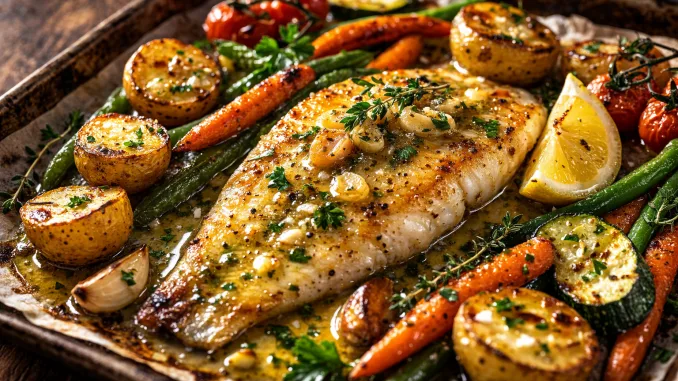
Witch sole isn’t a brand of sorcery from a Michelin kitchen—it refers to a group of flatfish species within Glyptocephalus and Scophthalmus relatives that are known in commercial fisheries and cuisine. In particular, the term “witch” (or “witch sole”) is commonly applied to Glyptocephalus cynoglossus, a cold‑water flatfish found across the North Atlantic and adjacent seas. It is similar in appearance to common sole and other flatfish but distinct in morphology, texture, and culinary niche.
Over the past decades, witch sole has gained attention both as a sustainable alternative to traditional soles (such as Solea solea and Dover sole), and as a versatile cooking fish whose delicate flesh contributes to a range of preparations in European kitchen traditions and contemporary gastronomy. Below is an in‑depth exploration of its biology, how it compares to other soles, and how chefs integrate it into modern cookery.
1. Biological and Fishery Context
Witch sole (Glyptocephalus cynoglossus) is a member of the flatfish order Pleuronectiformes. Like other flatfish, it has a laterally compressed body with both eyes on the same side; it lies on the seafloor and camouflages with sandy or muddy substrates to ambush prey. Its range extends across the North Atlantic—from the coasts of Newfoundland and Greenland, through northern Europe, down toward the Bay of Biscay. It is typically harvested by bottom trawling or gillnet fisheries.
From a morphological standpoint, witch sole is distinguishable from true soles (Soleidae) by having a more elongated body and a slightly firmer muscle texture. The flesh is lean, white, and fine‑flaked, with mild flavour. These characteristics allow it to stand in for more traditional soles in many recipes while often offering a more sustainable and lower‑cost alternative, especially where Dover sole (Solea solea) is prized and expensive.
Because it occupies commercial fisheries in northern waters, witch sole is often landed alongside plaice, haddock, and cod. In some markets it is labeled under general “flatfish” categories rather than marketed by species name, which has historically led to under‑recognition in consumer cuisine even where supply is abundant.
2. Sensory Profile and Nutritional Attributes
Texture: Witch sole has a firm but delicate muscle structure. The flesh flakes easily when cooked, but it holds together well enough to allow gentle pan‑frying or grilling without disintegrating. Compared with Dover sole, its fillets tend to be slightly less dense, yielding a mollified but still satisfying mouthfeel.
Flavour: The taste is mild, clean, and subtly sweet, with a faint marine minerality rather than strong “fishiness.” This makes it highly adaptable to different flavour profiles—ranging from simple beurre blanc sauces to bold spice rubs, Asian broths, and Mediterranean herb finishes.
Nutrition: Like other lean white fish, witch sole is low in fat and calories while providing high‑quality protein and essential nutrients such as vitamin B12, niacin, selenium, and omega‑3 fatty acids, though with generally lower total fats than oily fish like mackerel or salmon.
3. Culinary Use: Techniques and Preparations
Witch sole’s mild flavour and delicate texture invite a spectrum of cooking techniques, from classic European to modern global preparations. Because the fillets are often relatively thin, rapid, gentle cooking methods are preferred to preserve moisture and texture.
A. Classic European Approaches
1. Pan‑Fried with Lemon and Butter
One of the simplest and most traditional ways to prepare witch sole is to pan‑fry the fillets in butter or a mixed butter‑oil base. A light dredge in flour encourages a golden crust while ensuring the flesh underneath remains tender.
-
Technique: Season lightly with salt and pepper. Dust the fillets with flour, shake off excess, then cook over medium heat until just opaque, usually 1–2 minutes per side. Finish with lemon juice, parsley, and a small pat of butter for gloss.
2. Sole Meunière
Borrowed from the classic method applied to Dover sole, meunière treatment—flour, brown butter, lemon—can be adapted for witch sole.
-
Key point: Keep the butter from browning too aggressively; the goal is nutty warmth rather than burnt flavour.
3. Poaching
Witch sole fillets hold their texture well when poached in court bouillon, wine, or light stock. The resulting poached fillet is gentle, moist, and perfect for pairing with emulsified sauces like hollandaise or beurre blanc.
-
Technique: Use aromatics (onion, bay leaf, peppercorn) in the poaching liquid. Maintain sub‑simmering temperature to avoid over‑agitating the delicate flesh.
B. Mediterranean and Grilled Preparations
The clean taste of witch sole pairs well with olive oil, citrus, olives, tomatoes, and herbs such as oregano or thyme.
1. Grilled Whole
Small whole witch soles can be grilled over medium coals with a brush of olive oil and a sprinkle of sea salt. The smoky char balances the delicate flesh.
2. Mediterranean Stew (Fish à la Provençale)
Cut into chunks and braised with tomatoes, garlic, olives, and white wine, witch sole takes on aromatic complexity while retaining a firm flake.
C. Asian‑Inspired Techniques
Due to its neutral flavour, witch sole readily absorbs sauces and spices.
1. Steamed with Ginger and Scallion
A gentle steam allows the natural sweetness of the fish to be front and center, complemented by bright aromatics and a drizzle of hot sesame‑soy oil.
2. Wrapped and Baked in Banana Leaf
Marinating the fillets in light soy, ginger, lemongrass, and kaffir lime, then enclosing them in banana leaves, imparts fragrance while protecting the delicate meat.
4. Comparisons with Related Flatfish
Understanding witch sole in context helps underscore why it is both versatile and underutilized.
Dover Sole (Solea solea)
-
Dover sole is the premium benchmark in many European markets due to its dense, firm texture and refined flavour profile.
-
Witch sole lacks the same density but makes up for it in approachability and cost‑effectiveness.
Common Sole (Solea solea) vs. Witch Sole
-
Both have mild flavour profiles, but the muscle fibre structure of common sole is tighter, yielding a more pronounced chew.
-
Witch sole’s flesh is softer, with quicker cooking times and broader global adaptability.
Flounder and Plaice
-
These species can be similar in texture but often have distinct flavour notes (e.g., plaice has a slightly earthier taste). Witch sole’s neutrality makes it more of a blank canvas for diverse seasonings.
5. Sustainability and Market Considerations
As consumer demand grows for sustainable seafood, witch sole has become more prominent in markets striving to move away from overfished stocks. In the North Atlantic, stock assessments for witch sole are often more stable compared to heavily exploited sole species, though management varies by region and must be monitored seasonally.
Certification schemes (e.g., MSC — Marine Stewardship Council) play a role in market acceptance for sustainable fisheries. Where witch sole is responsibly fished with low bycatch and managed quotas, it offers a credible, lower‑impact choice in fine dining and retail fish counters.
Because it still suffers from uneven labeling and low consumer awareness relative to “sole” in general, part of developing its culinary footprint involves education and promotion—communicating that “witch sole” is not a lesser fish but simply a different species with excellent culinary qualities.
6. Sensory Pairings and Wine
Witch sole’s delicacy calls for pairing choices that support rather than overwhelm:
-
White wines with crisp acidity: Muscadet, Picpoul de Pinet, or unoaked Chardonnay accentuate the fish’s subtle sweetness.
-
Light reds with low tannin (e.g., Pinot Noir) can work if the preparation includes richer sauces.
Citrus herbs (lemon, dill, parsley) and light olive oil finishes enhance the palate without masking the fish.
7. Challenges and Opportunities in Restaurants
Challenges
-
Consumer Recognition: “Witch sole” is less known than Dover or common sole, making it a harder sell on menus without explanation.
-
Morphological Handling: Slightly thinner fillets require precise temperature and timing control to avoid overcooking.
Opportunities
-
Cost Advantage: Lower raw material price makes it attractive for restaurants to offer high‑end preparations without prohibitive cost.
-
Sustainability Narrative: Chefs can position it as an environmentally considered choice.
-
Versatility: Its neutral, delicate flesh complements diverse culinary traditions, from French to Pan‑Asian.
Witch sole is a valuable, often underappreciated flatfish that marries delicate flavour, textural adaptability, and gastronomic versatility. It bridges the gap between classic European seafood tradition and modern global cuisine, supporting preparations wide enough to satisfy both traditionalists and adventurous chefs.
Whether pan‑fried with beurre noisette, poached in aromatic broth, or grilled with Mediterranean herbs, witch sole delivers clean, tender flesh and a blank slate for culinary expression — all while often offering better sustainability credentials and price point advantages over more familiar sole species.
At its best, witch sole demonstrates how a once‑ambiguous fish can find renewed relevance in the hands of informed chefs and curious diners willing to explore beyond the usual seafood repertoire.
To emphasize the culinary value of witch sole, you can try these two recipes for a grill version and an oven-roasted version.
Grilled Witch Sole with Garlic Butter, Market Vegetables, and New Potatoes
This recipe balances the mild, flaky texture of witch sole with the richness of garlic butter and the freshness of seasonal vegetables and tender new potatoes — a classic, elegant plate that works well for home cooking or small dinner parties.
Servings: 2
Total Time: 45 minutes
-
Preparation: 20 minutes
-
Cooking: 25 minutes
Equipment Needed
-
Large saucepan (for boiling potatoes)
-
Steamer basket or medium skillet (for vegetables)
-
Grill pan or outdoor grill
-
Small saucepan (for garlic butter)
-
Sharp chef’s knife and cutting board
-
Fish spatula or tongs
-
Serving plates
Ingredients
For the Fish
-
2 witch sole fillets (approx. 150–200 g each)
-
3 tbsp unsalted butter
-
2 cloves garlic, finely minced
-
1 tbsp fresh lemon juice
-
Salt and freshly ground black pepper
-
1 tsp fresh chopped parsley (for garnish)
For the Market Vegetables
-
1 cup baby carrots
-
1 cup green beans
-
1 cup baby zucchini or zucchini slices
-
1 tsp olive oil
-
Salt and pepper to taste
For the New Potatoes
-
300 g new potatoes, halved if large
-
1 tsp butter
-
Salt to taste
-
Fresh chopped parsley for garnish
Preparation Steps
1. Prepare the New Potatoes (15 minutes)
-
Wash and halve new potatoes.
-
Bring a large saucepan of salted water to a boil.
-
Add potatoes and cook for 12–15 minutes until tender but not falling apart.
-
Drain, add 1 tsp butter, and sprinkle with parsley. Keep warm.
2. Prepare Market Vegetables (10 minutes)
-
Trim green beans and carrots; slice zucchini if using.
-
Steam vegetables in a steamer basket over boiling water for 4–6 minutes until just tender.
-
Alternatively, sauté lightly in a skillet with olive oil for 4–5 minutes.
-
-
Season with salt and pepper. Keep warm.
3. Prepare Garlic Butter (5 minutes)
-
In a small saucepan, melt butter over medium-low heat.
-
Add minced garlic and cook gently for 1–2 minutes until fragrant.
-
Stir in lemon juice and remove from heat. Do not let garlic brown.
Cooking the Fish (10 minutes)
-
Preheat a grill pan over medium-high heat. Brush lightly with olive oil to prevent sticking.
-
Pat the witch sole fillets dry with paper towels and season with salt and pepper.
-
Place the fillets on the hot grill pan skin side down (if fillets have skin) or smooth side down.
-
Grill for 2–3 minutes per side, depending on thickness, until opaque and just cooked through. Use a fish spatula to turn carefully.
-
During the last minute, brush generously with garlic butter to enhance flavour.
Plating and Serving
-
Place the grilled witch sole fillets on warm plates.
-
Arrange new potatoes on the side and scatter the market vegetables.
-
Spoon additional garlic butter over the fish and vegetables.
-
Garnish with chopped parsley and a lemon wedge if desired.
Tips for Best Results
-
Fish thickness: Witch sole fillets are delicate; avoid overcooking. The flesh should flake easily.
-
Garlic butter: Prepare just before cooking to preserve the fresh flavour.
-
Vegetables: Aim for lightly tender vegetables that retain colour and crunch. Overcooking diminishes visual appeal and texture.
-
Optional enhancement: Add a sprinkle of sea salt flakes over the fish just before serving for texture contrast.
Oven-Roasted Witch Sole with Garlic Butter, Market Vegetables, and New Potatoes
Servings: 2
Total Time: 50 minutes
-
Preparation: 20 minutes
-
Cooking: 30 minutes
Equipment Needed
-
Baking tray or roasting pan
-
Parchment paper or lightly oiled tray
-
Small saucepan (for garlic butter)
-
Medium saucepan (for new potatoes)
-
Steamer basket or medium skillet (optional, for vegetables)
-
Sharp knife and cutting board
-
Oven-safe spatula or fish spatula
Ingredients
For the Fish
-
2 witch sole fillets (150–200 g each)
-
3 tbsp unsalted butter
-
2 garlic cloves, minced
-
1 tbsp fresh lemon juice
-
Salt and freshly ground black pepper
-
1 tsp chopped fresh parsley (for garnish)
For the Market Vegetables
-
1 cup baby carrots
-
1 cup green beans
-
1 cup zucchini slices or baby zucchini
-
1 tsp olive oil
-
Salt and pepper to taste
For the New Potatoes
-
300 g new potatoes, halved if large
-
1 tsp butter
-
Salt and parsley for garnish
Preparation Steps
1. Preheat Oven
-
Preheat oven to 200°C (390°F) for roasting.
2. Prepare New Potatoes (15–20 minutes)
-
Wash and halve potatoes.
-
Place in a saucepan of salted water, bring to a boil, and cook 12–15 minutes until tender.
-
Drain, toss with butter and a sprinkle of parsley. Keep warm.
3. Prepare Vegetables (10 minutes)
-
Toss baby carrots, green beans, and zucchini with olive oil, salt, and pepper.
-
Option 1: Steam lightly for 4–5 minutes until just tender, then roast.
-
Option 2: Roast directly with fish for slightly caramelized vegetables.
4. Prepare Garlic Butter (5 minutes)
-
Melt butter in a small saucepan over medium-low heat.
-
Add minced garlic and cook gently 1–2 minutes until fragrant (do not brown).
-
Stir in lemon juice and remove from heat.
Oven Roasting the Fish and Vegetables (15–20 minutes)
-
Line a baking tray with parchment paper or lightly oil it.
-
Arrange seasoned vegetables on the tray.
-
Place the witch sole fillets on top of vegetables. Season fillets with salt and pepper.
-
Brush fillets generously with garlic butter.
-
Roast in preheated oven for 12–15 minutes, depending on fillet thickness:
-
Fish should be opaque, flake easily with a fork.
-
Vegetables should be tender and lightly golden at edges.
-
-
Optional: In the last 2 minutes, brush extra garlic butter over the fish and vegetables for extra flavour.
Plating and Serving
-
Place roasted witch sole fillets on warm plates.
-
Arrange roasted market vegetables and new potatoes alongside.
-
Spoon any remaining garlic butter from the tray over fish and vegetables.
-
Garnish with fresh parsley and serve with lemon wedges if desired.
Tips for Success
-
Even cooking: Make sure fillets are similar thickness to ensure uniform cooking.
-
Vegetable placement: Placing vegetables underneath fish allows juices and garlic butter to flavour them during roasting.
-
Check doneness: Witch sole cooks quickly; fillets over 200 g may need an extra 2–3 minutes.
-
Optional extras: Sprinkle flaky sea salt over the finished dish for texture contrast or add a dash of white wine over vegetables before roasting for extra depth.
This oven-roast method is ideal if you want:
-
Less hands-on time compared to pan-frying or grilling
-
Even cooking for multiple servings
-
Simultaneous cooking of fish and vegetables, absorbing flavour from garlic butter and pan juices
Leave a Reply