Cockscomb mint, also known as Vietnamese lemon balm or by its local name kinh giới, is a vibrant, aromatic herb that plays an important role in Vietnamese cooking. Despite being relatively lesser-known outside Southeast Asia, this herb holds a prominent position in traditional dishes, appreciated for its bright, lemony aroma and slightly spicy finish. While often compared to Western lemon balm, kinh giới has a more complex, intense profile, making it a distinctive component in both traditional Vietnamese fare and increasingly, in fusion and contemporary dishes across global cuisines.
1. Botanical Identity and Flavor Profile
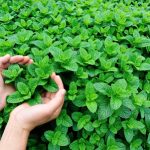
Cockscomb mint belongs to the mint family (Lamiaceae) and is typically grown as an annual or short-lived perennial herb. It grows upright with serrated green leaves that emit a citrusy, mint-like scent when bruised. Small pale purple or white flowers bloom from spikes during warmer seasons. Its taste can be described as a combination of lemon zest, sweet basil, and mint, with a mildly peppery undertone that intensifies when the leaves are freshly picked.
Unlike common lemon balm (Melissa officinalis), which leans heavily into lemon and mint, kinh giới has a slightly more pungent, warming character. This makes it ideal for pairing with strong-flavored dishes and rich sauces, acting as a bright counterbalance.
2. Traditional Uses in Vietnamese Cuisine
In Vietnam, kinh giới is a core component of the nation’s vibrant herb culture. Vietnamese cuisine values contrast—between hot and cold, sweet and salty, fatty and fresh—and kinh giới is often used to achieve balance in dishes that are bold, fermented, or intensely spiced. Here are its most prominent uses:
a. Fresh Herb Garnish
The most common way kinh giới is used is raw. It’s featured in herb platters served alongside popular dishes like bún chả (grilled pork with noodles), bún đậu mắm tôm (tofu and noodles with fermented shrimp paste), and bánh cuốn (steamed rice rolls). Its citrusy notes provide contrast to rich meats and pungent sauces.
b. Noodle Soups and Broths
In Northern Vietnamese noodle soups such as bún riêu cua (crab and tomato noodle soup) or bún bò Huế (spicy beef noodle soup), kinh giới is often shredded and sprinkled over the top just before serving. This introduces brightness to otherwise heavy broths and helps to open up the palate.
c. Salads and Wraps
Vietnamese salads (gỏi) often feature thinly sliced vegetables, meats, and a fresh herb blend, including kinh giới. It’s also common in fresh spring rolls (gỏi cuốn), where it complements cooked shrimp or pork wrapped in rice paper with vermicelli and lettuce.
d. Tea and Infusions
In rural Vietnamese households, fresh or dried kinh giới leaves are sometimes steeped in hot water to make herbal tea. This tea is used not only for its flavor but also for its reputed digestive and medicinal benefits.
3. Regional Differences
While kinh giới is used nationwide, it is particularly prevalent in Northern Vietnamese cuisine. Northern dishes tend to emphasize freshness and are less sweet than those of the South, creating more space for pungent herbs like kinh giới. In contrast, Southern Vietnamese dishes often highlight herbs like rau răm (Vietnamese coriander), Thai basil, or culantro. As a result, kinh giới may be less common on Southern herb plates, though still appreciated for specific dishes.
4. Examples of Traditional Dishes Featuring Kinh Giới
Let’s explore some classic Vietnamese dishes where kinh giới plays an essential role:
Bún Chả
A Hanoi specialty, this dish features grilled pork patties and slices of pork belly served with vermicelli noodles, dipping sauce, and a generous plate of herbs. Kinh giới is one of the key herbs in this mix, helping to balance the savory sweetness of the grilled meat.
Bún Đậu Mắm Tôm
This is a rustic, boldly flavored dish of fried tofu, rice vermicelli, and fermented shrimp paste. The herb plate accompanying it is crucial, and kinh giới stands out for its ability to cut through the richness and pungency of the dish.
Bánh Cuốn
Delicate rice sheets filled with minced pork and wood ear mushrooms, bánh cuốn is served with fried shallots, dipping sauce, and herbs. Here, kinh giới adds brightness and complements the soft textures of the dish.
Bún Riêu Cua
This tomato and crab-based noodle soup is earthy, acidic, and comforting. The addition of kinh giới at the end offers a fragrant, citrusy lift that makes the dish sing.
Gỏi Cuốn (Vietnamese Fresh Spring Rolls)
Typically filled with shrimp, pork, vermicelli, and lettuce, these rolls are made fresh and served cold. A few leaves of kinh giới inside add depth and aroma.
5. Global and Modern Uses
While kinh giới is still relatively rare outside of Southeast Asian markets, it is slowly gaining attention in the world of modern gastronomy and fusion cooking. Chefs and mixologists are beginning to explore it for its aromatic potential in non-traditional contexts.
In Fusion Cuisine
-
Kinh giới is being added to Western-style salads with citrus vinaigrettes or paired with grilled seafood.
-
It’s also used in rice bowls and fusion tacos, lending a distinctive herbal brightness to otherwise conventional fare.
In Drinks and Teas
Its lemon-mint profile makes it a natural addition to iced teas, sparkling waters, or infused cocktails. Bartenders have experimented with muddling it into gin- or vodka-based cocktails to create Southeast Asian–inspired flavor profiles.
In Condiments and Sauces
Minced kinh giới can be stirred into mayonnaise, herb butters, or oil-based dressings to impart a refreshing complexity. In fusion dressings, it works well with lime, ginger, garlic, and chili.
In Desserts
Though not traditional, there’s potential for kinh giới to be used in custards, sorbets, or infused syrups for desserts. Its light spice and citrus aroma could provide an exotic edge to otherwise sweet, creamy dishes.
6. Nutritional and Medicinal Benefits
Aside from its culinary contributions, kinh giới is valued in traditional medicine. It’s often used to treat common ailments such as indigestion, colds, and fevers. Some of the key benefits associated with the herb include:
-
Digestive Aid: It may help relieve bloating and gas.
-
Anti-inflammatory: Often used in poultices or infusions to reduce swelling or fever.
-
Mild Antiseptic: The essential oils may have antimicrobial properties.
-
Soothing Tea: When steeped, it produces a calming tea useful for sore throats or mild infections.
It’s not uncommon for kinh giới to be prescribed in traditional Vietnamese remedies, either as a tea, steam inhalation, or even in baths for skin irritations.
7. Growing and Preserving Kinh Giới
Kinh giới is a relatively easy herb to grow in temperate or tropical climates. It prefers well-drained soil, partial sun, and moderate watering. Gardeners often grow it alongside other herbs like mint, basil, and perilla.
It can be propagated from seed or stem cuttings, and it grows quickly during warm months. To preserve it, you can:
-
Refrigerate fresh leaves for up to 3–4 days
-
Dry the leaves in a dark, cool space for herbal tea
-
Freeze chopped leaves in olive oil or water in ice cube trays for easy use in cooking
The plant is also quite decorative and attractive to pollinators, making it a great addition to herb gardens.
Cockscomb mint or kinh giới is an unsung hero of Vietnamese cuisine. With its lemony, minty, and slightly spicy flavor, it contributes depth and brightness to many classic dishes—from noodle soups and salads to grilled meats and spring rolls. Beyond its culinary use, it’s prized for its medicinal benefits and easy cultivation.
As international chefs and home cooks continue to explore Southeast Asian ingredients, kinh giới is poised for broader discovery. Whether used traditionally in a bowl of bún riêu, or creatively in a citrusy cocktail or herb-laced sorbet, this herb brings complexity, vibrancy, and unmistakable freshness.
In a culinary world increasingly fascinated by the nuances of fresh herbs, kinh giới offers a world of flavor—waiting to be picked, torn, and stirred into your next unforgettable dish.

Leave a Reply