
Yeasts as Postbiotics
Yeast, long celebrated for its roles in baking, brewing, and fermentation, has gained increasing attention in the field of probiotics due to its unique biological […]
Yeast, long celebrated for its roles in baking, brewing, and fermentation, has gained increasing attention in the field of probiotics due to its unique biological […]
Docosahexaenoic acid (DHA; 22:6n-3) is a long-chain omega-3 polyunsaturated fatty acid (PUFA) that plays a critical role in human health. It is a structural component […]
![DNA. Nucleic acid purification. Okazaki fragments. PCR (digital PCR [dPCR], multiplex digital PCR, qPCR), DNA Repair, DNA Replication in Eukaryotes, DNA replication in prokaryotes, DNA barcoding](https://foodwrite.co.uk/wp-content/uploads/2016/11/dna-geralt-pixaby-03539309_640-326x245.jpg)
DNA barcoding is a method used to identify species based on a short, standardized segment of their DNA. Essentially, it’s like using a “barcode” of […]
The glutamine synthetase (GS) expression system is one of the most widely used and industrially proven platforms for the development of Chinese hamster ovary (CHO) […]
3-Hydroxypropionic acid (3-HP; chemical formula C₃H₆O₃) is a three-carbon hydroxycarboxylic acid with a hydroxyl group on C-3 and a terminal carboxyl group. It is a […]
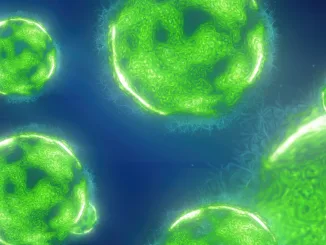
The cell cycle is the fundamental process by which cells grow, duplicate their genetic material, and divide to form two daughter cells. This cycle underpins […]
New genes are created through a variety of molecular mechanisms that introduce genetic novelty into genomes over evolutionary time. Here are the main ways new […]
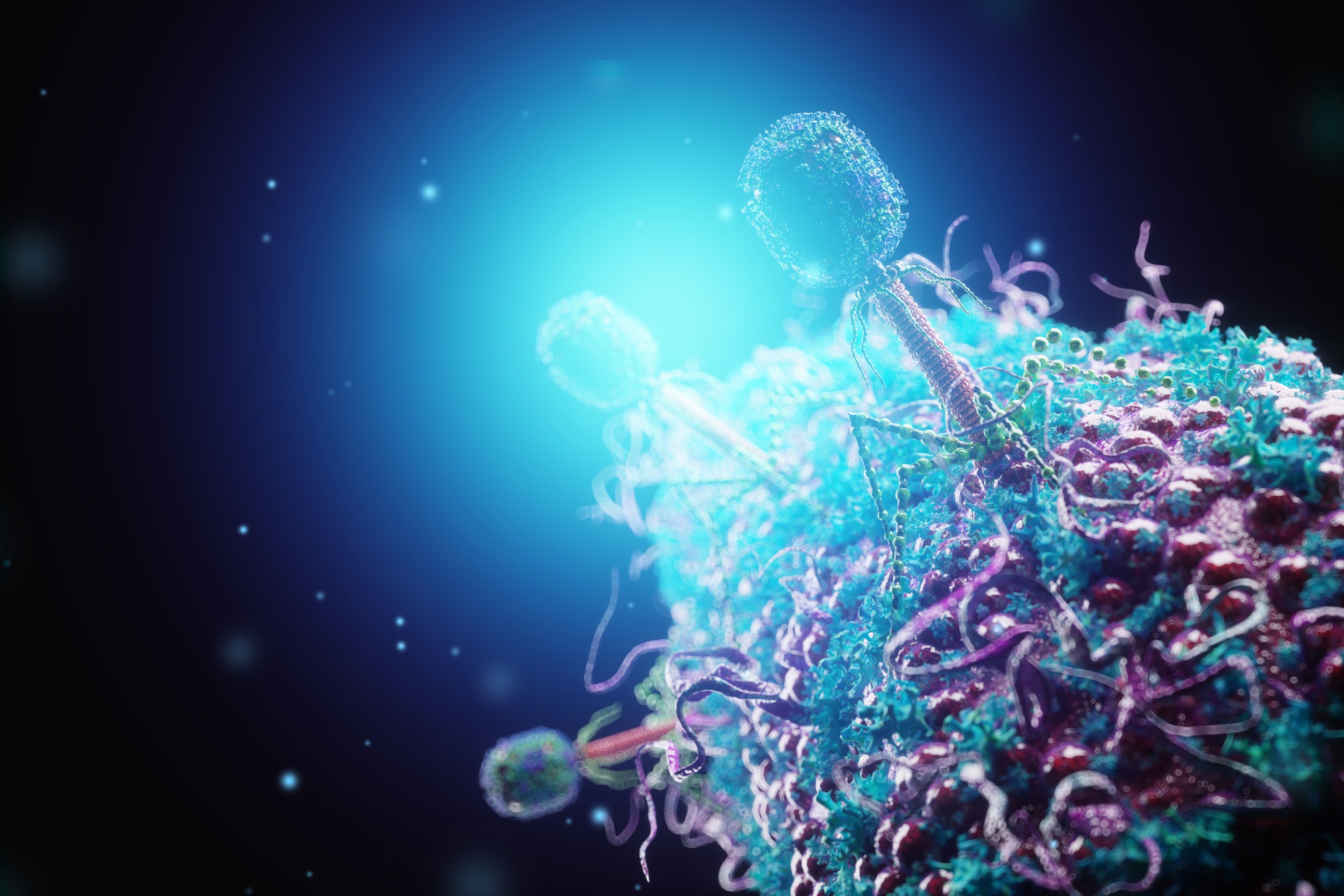
Bacteriophages, viruses that infect bacteria, are among the most abundant biological entities on Earth. Among these, the T4 bacteriophage (commonly referred to as the T4 […]
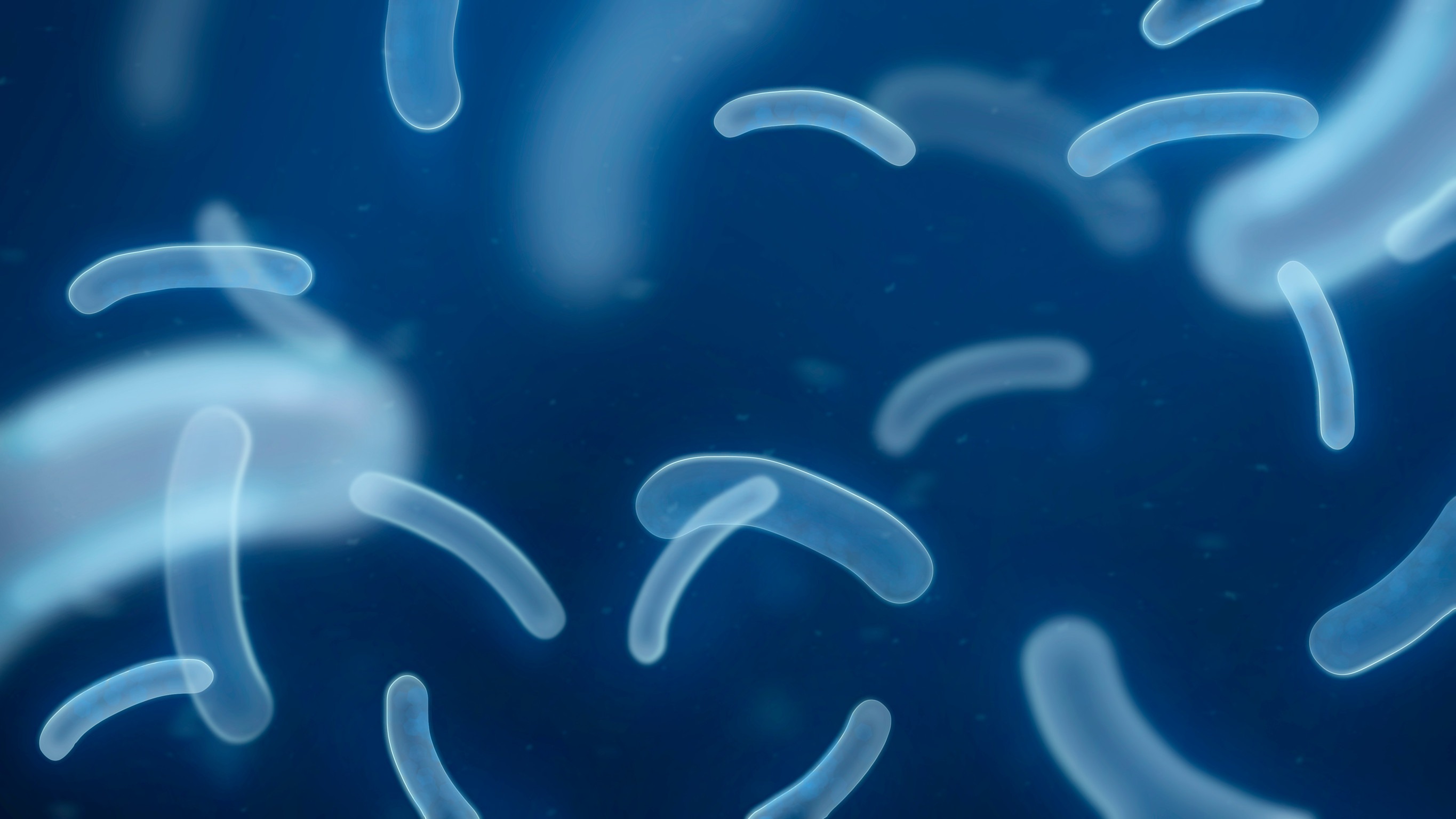
Introduction Halophytic bacteria, also known as halophiles, are microorganisms that thrive in high-salt environments, often exceeding the salinity of seawater. These extremophiles are typically found […]
FoodWrite talked about affinity tags not so long ago well here we talk about fusion tags which include the family of affinity tags. What Are […]
Polyethyleneimine (PEI) is a versatile and widely used polymer in the bioprocess and biotechnology industries, primarily due to its polycationic (positively charged) nature, which allows […]
Lipid nanoparticles (LNPs) are nanoscale delivery vehicles made primarily of lipids that self-assemble into stable particles. They are widely used for delivering nucleic acids like […]
Northern blotting is a fundamental molecular biology technique used to detect and quantify specific RNA molecules within a complex mixture of RNA extracted from cells […]
Recombinant proteins are proteins encoded by recombinant DNA that has been cloned in an expression system allowing gene expression and protein production. These proteins are […]
Artificial intelligence (AI) and machine learning (ML) have become increasingly influential in device control across industrial processes, and fermentation is one of the domains where […]
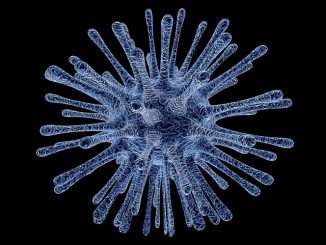
Introduction Lentiviruses are a genus of viruses within the family Retroviridae, characterized by their ability to integrate into the host genome and establish persistent infections. […]
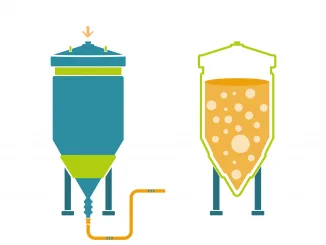
The N-1 perfusion method is a bioprocessing technique used in upstream biomanufacturing, particularly in the production of therapeutic proteins such as monoclonal antibodies (mAbs) in […]
Introduction Cell-free protein synthesis (CFPS) represents a groundbreaking biotechnology platform for producing proteins without the need for living cells. Unlike traditional in vivo protein expression […]
RDEB is a severe, inherited skin disorder caused by loss-of-function mutations in the COL7A1 gene, which encodes type VII collagen, a structural protein that forms […]
Artificial intelligence (AI) and machine learning (ML) have become central tools for deviation detection in modern fermentation processes, particularly as industrial biotechnology has shifted toward […]
Copyright © 2026 | WordPress Theme by MH Themes