
Polyethyleneimine (PEI) and its use in Biotechnology
Polyethyleneimine (PEI) is a versatile and widely used polymer in the bioprocess and biotechnology industries, primarily due to its polycationic (positively charged) nature, which allows […]
Polyethyleneimine (PEI) is a versatile and widely used polymer in the bioprocess and biotechnology industries, primarily due to its polycationic (positively charged) nature, which allows […]
Lipid nanoparticles (LNPs) are nanoscale delivery vehicles made primarily of lipids that self-assemble into stable particles. They are widely used for delivering nucleic acids like […]
Northern blotting is a fundamental molecular biology technique used to detect and quantify specific RNA molecules within a complex mixture of RNA extracted from cells […]
Recombinant proteins are proteins encoded by recombinant DNA that has been cloned in an expression system allowing gene expression and protein production. These proteins are […]
Artificial intelligence (AI) and machine learning (ML) have become increasingly influential in device control across industrial processes, and fermentation is one of the domains where […]
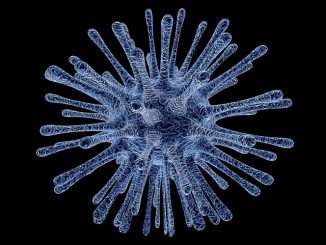
Introduction Lentiviruses are a genus of viruses within the family Retroviridae, characterized by their ability to integrate into the host genome and establish persistent infections. […]
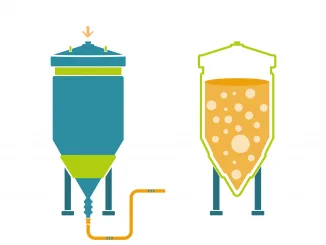
The N-1 perfusion method is a bioprocessing technique used in upstream biomanufacturing, particularly in the production of therapeutic proteins such as monoclonal antibodies (mAbs) in […]
Introduction Cell-free protein synthesis (CFPS) represents a groundbreaking biotechnology platform for producing proteins without the need for living cells. Unlike traditional in vivo protein expression […]
RDEB is a severe, inherited skin disorder caused by loss-of-function mutations in the COL7A1 gene, which encodes type VII collagen, a structural protein that forms […]
Artificial intelligence (AI) and machine learning (ML) have become central tools for deviation detection in modern fermentation processes, particularly as industrial biotechnology has shifted toward […]
Synthetic data and simulations are used in biotechnology to partially compensate for real-world data limitations, not to replace biology. They aim to give AI more […]
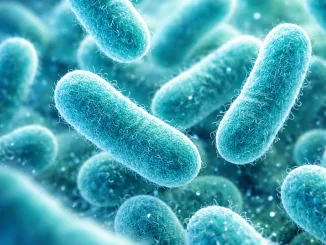
Bacillus clausii is a Gram-positive, rod-shaped, spore-forming bacterium widely recognized for its probiotic properties. Originally isolated from soil, it has gained significant attention in clinical, […]
Bacillus coagulans is a spore-forming, lactic acid-producing bacterium that has gained considerable attention in the fields of microbiology, nutrition, and therapeutics. Though often grouped with […]
To understand the mechanisms of ageing in Saccharomyces cerevisiae (budding yeast), a variety of experimental and computational approaches can be used, targeting the two main […]
Southern blotting is a molecular biology technique developed by Edwin Southern in 1975, designed to detect specific DNA sequences within a complex mixture of DNA. […]

The biotechnology of dealing with microplastics—tiny plastic particles less than 5mm in size—is an emerging and rapidly developing field. It focuses on biological solutions to […]
Neurospora crassa is a filamentous fungus that has been extensively used as a model organism in genetics, molecular biology, and biochemistry. It’s also involved in […]
What is Metabolic Flux? Metabolic flux refers to the rate at which metabolites flow through a metabolic pathway in a cell. It’s typically measured in […]
Kluyveromyces lactis is a yeast species with some pretty awesome biotech uses, especially in the dairy and enzyme production industries. It’s kind of a workhorse […]
Lipase-mediated enantioselective esterification is a cornerstone methodology in modern biocatalysis and asymmetric synthesis, widely applied in the preparation of optically active compounds for pharmaceuticals, agrochemicals, […]
Copyright © 2026 | WordPress Theme by MH Themes