Alginates for Gel Immobilization, Encapsulation and Scaffolds
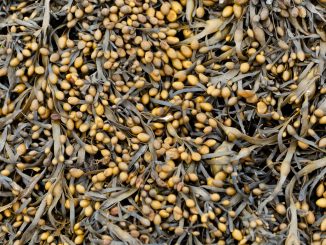
One of the universal carbohydrate polymers used for cell immobilization is calcium alginate. This polyelectrolyte and hydrocolloid is extracted from seaweed. It has become one […]
One of the universal carbohydrate polymers used for cell immobilization is calcium alginate. This polyelectrolyte and hydrocolloid is extracted from seaweed. It has become one […]

Design of Experiments (DOE) is a systematic and efficient methodology used to plan, conduct, analyze, and interpret experiments or tests aimed at optimizing processes, products, […]

ICH Q13 is a guideline that provides principles and approaches for lifecycle management of analytical procedures used in the biotechnology industry. It focuses on improving […]
Expanded bed chromatography is one of the most recent separation techniques to come into vogue with biochemical downstream processors. It is one of a group […]
Corynebacterium glutamicum is a Gram-positive, non-pathogenic bacterium that belongs to the genus Corynebacterium. It is widely used in industrial biotechnology for the production of various […]
The manufacturing of factor VIII, a crucial blood clotting protein, is a complex process involving advanced biotechnological techniques. Factor VIII is primarily produced for therapeutic […]
Microcarriers are an essential tool in the mass cultivation of animal cells for various applications, including biopharmaceutical production, tissue engineering, and cell-based research. These tiny […]
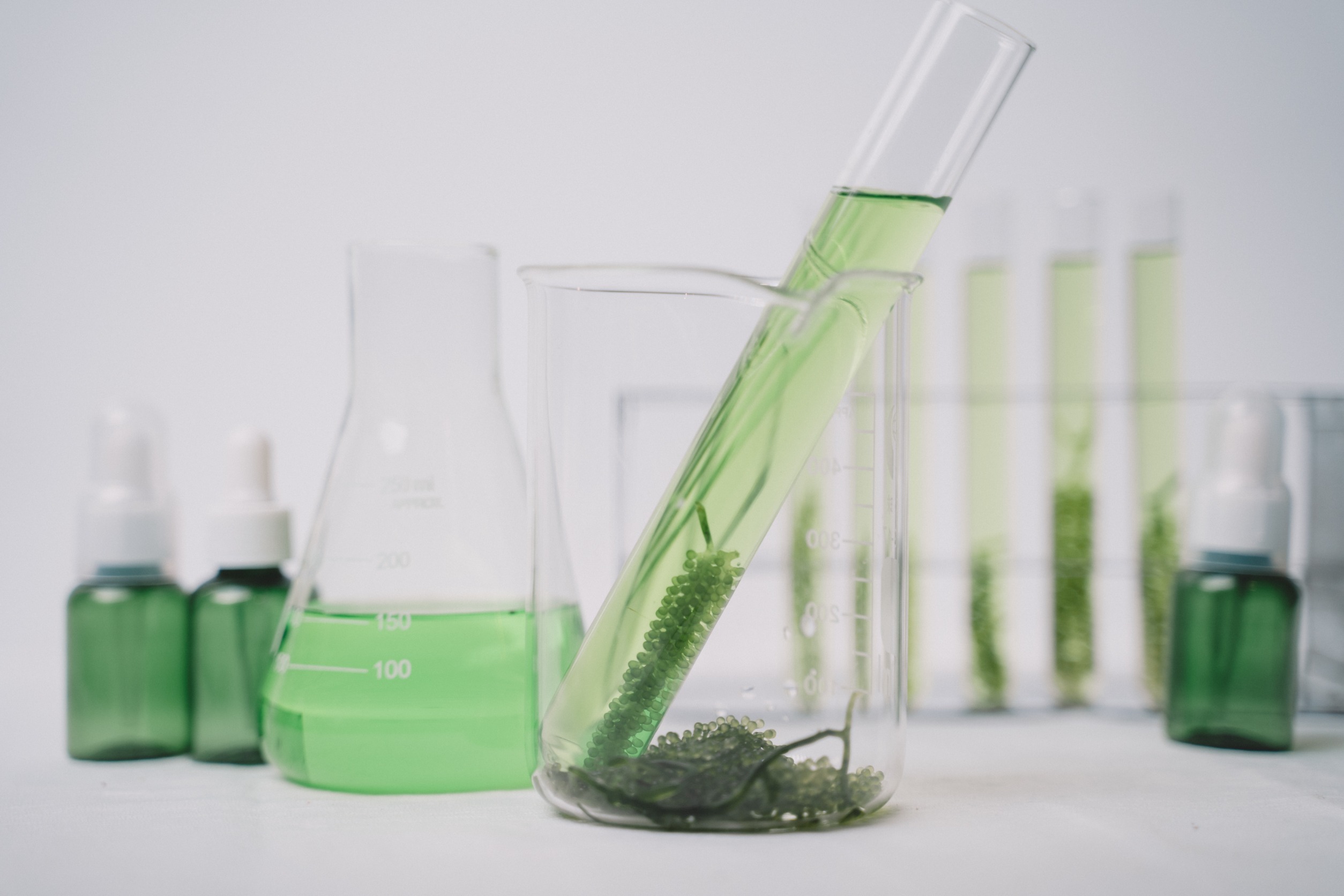
Microalgae, a diverse group of microscopic photosynthetic organisms, offer a wide range of benefits across various fields, from nutrition and sustainable agriculture to environmental conservation […]
Amino-phenylboronate activated supports are a valuable tool in the field of enzyme immobilization, offering a reversible and versatile method for binding enzymes to solid matrices. […]
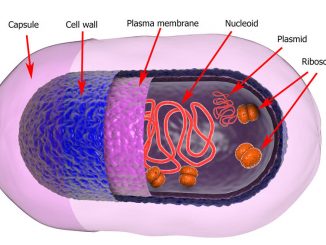
The Ti plasmid, short for “Tumor-inducing plasmid,” is a remarkable genetic element that plays a significant role in the study of plant-microbe interactions, genetic engineering, […]
Exendin-4 is a 39-amino acid peptide originally derived from the saliva of the Gila monster (Heloderma suspectum). It is an incretin mimetic that acts as […]
There are several gene identification tools available in bioinformatics that are designed to predict and annotate genes within DNA or RNA sequences. Here are some […]
Anaerobic digestion of glycerol involves the biological breakdown of glycerol, a byproduct of biodiesel production and a component of triglycerides, in the absence of oxygen. […]
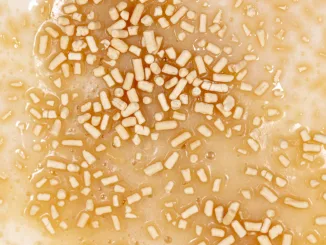
Yeast biomass is widely utilized in the food and beverage industries for its ability to enhance flavours, particularly umami—a savoury taste that is one of […]

Introduction The wet-milling of corn is a carefully controlled process. It relies on breaking corn kernels into their constituent parts which are corn oil, corn […]
The industrial production of lactic acid by fermentation involves the use of microorganisms, typically lactic acid bacteria, to convert carbohydrates into lactic acid. Lactic acid […]
Aspergillus oryzae, also known as Koji mold, is a filamentous fungus belonging to the genus Aspergillus. It is widely used in various traditional and industrial […]
The air-lift fermenter is a type of bioreactor used in the fermentation process to cultivate microorganisms under aerobic conditions. It operates based on the principle […]
Process intensification is a set of strategies and techniques used to improve the efficiency and productivity of bioreactors when scaling up the production of biotechnological […]
Silver nanoparticles (AgNPs) have a wide range of applications due to their unique properties, including their antimicrobial activity, electrical conductivity, optical properties, and catalytic potential. […]
Copyright © 2026 | WordPress Theme by MH Themes