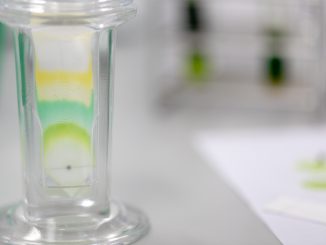
Expanded Bed Chromatography
Expanded bed chromatography is one of the most recent separation techniques to come into vogue with biochemical downstream processors. It is one of a group […]
Expanded bed chromatography is one of the most recent separation techniques to come into vogue with biochemical downstream processors. It is one of a group […]

Corynebacterium glutamicum is a Gram-positive, non-pathogenic bacterium that belongs to the genus Corynebacterium. It is widely used in industrial biotechnology for the production of various […]
The manufacturing of factor VIII, a crucial blood clotting protein, is a complex process involving advanced biotechnological techniques. Factor VIII is primarily produced for therapeutic […]
Microcarriers are an essential tool in the mass cultivation of animal cells for various applications, including biopharmaceutical production, tissue engineering, and cell-based research. These tiny […]

Microalgae, a diverse group of microscopic photosynthetic organisms, offer a wide range of benefits across various fields, from nutrition and sustainable agriculture to environmental conservation […]
Amino-phenylboronate activated supports are a valuable tool in the field of enzyme immobilization, offering a reversible and versatile method for binding enzymes to solid matrices. […]
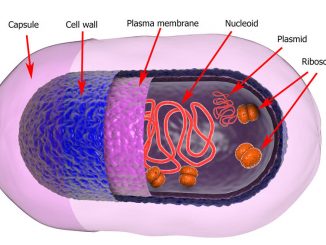
The Ti plasmid, short for “Tumor-inducing plasmid,” is a remarkable genetic element that plays a significant role in the study of plant-microbe interactions, genetic engineering, […]
Exendin-4 is a 39-amino acid peptide originally derived from the saliva of the Gila monster (Heloderma suspectum). It is an incretin mimetic that acts as […]
There are several gene identification tools available in bioinformatics that are designed to predict and annotate genes within DNA or RNA sequences. Here are some […]
Anaerobic digestion of glycerol involves the biological breakdown of glycerol, a byproduct of biodiesel production and a component of triglycerides, in the absence of oxygen. […]
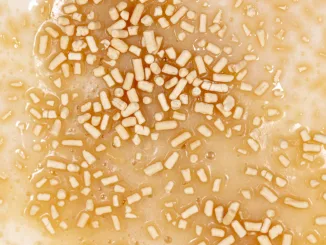
Yeast biomass is widely utilized in the food and beverage industries for its ability to enhance flavours, particularly umami—a savoury taste that is one of […]

Introduction The wet-milling of corn is a carefully controlled process. It relies on breaking corn kernels into their constituent parts which are corn oil, corn […]
The industrial production of lactic acid by fermentation involves the use of microorganisms, typically lactic acid bacteria, to convert carbohydrates into lactic acid. Lactic acid […]
Aspergillus oryzae, also known as Koji mold, is a filamentous fungus belonging to the genus Aspergillus. It is widely used in various traditional and industrial […]
The air-lift fermenter is a type of bioreactor used in the fermentation process to cultivate microorganisms under aerobic conditions. It operates based on the principle […]
Process intensification is a set of strategies and techniques used to improve the efficiency and productivity of bioreactors when scaling up the production of biotechnological […]
Silver nanoparticles (AgNPs) have a wide range of applications due to their unique properties, including their antimicrobial activity, electrical conductivity, optical properties, and catalytic potential. […]
Zinc oxide nanoparticles (ZnO NPs) have gained significant attention in various fields due to their unique properties and potential applications. There are several methods for […]
Nanotechnology has found various applications in the field of smart packaging for foods. Smart packaging refers to the integration of advanced technologies and materials into […]

Cultured meat is one of the latest innovative alternatives hitting the food industry with the primary aim of replacing the slaughtering of animals. Such a […]
Copyright © 2026 | WordPress Theme by MH Themes