
The Yeast: Candida tropicalis
Candida tropicalis is a species of yeast belonging to the Candida genus. It is a common opportunistic pathogen that can cause infections in humans, particularly […]
Candida tropicalis is a species of yeast belonging to the Candida genus. It is a common opportunistic pathogen that can cause infections in humans, particularly […]
Abscisic acid (ABA) is a plant hormone that plays a crucial role in plant growth, development, and response to environmental stress. In plant cell culture, […]
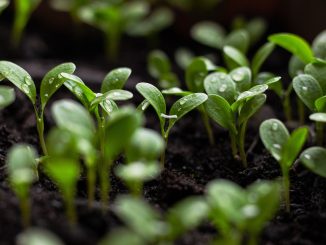
Cytokinins are a class of plant hormones that play a significant role in plant cell culture. They are involved in regulating cell division, growth, and […]
The Pribnow box, also known as the -10 element, is a DNA sequence that plays a crucial role in the initiation of transcription in prokaryotes. […]

If you want to grow mammalian and plant cells on a commercial scale, then businesses must provide the optimal environment for these cell to grow […]
The manufacture of succinic acid using fermentation involves the use of microorganisms, typically bacteria or yeast, to produce succinic acid through a bioconversion process. Succinic […]
The manufacture of tyrosine using fermentation involves the use of genetically engineered microorganisms, typically bacteria or yeast, to produce tyrosine on a commercial scale. Tyrosine […]
The manufacture of valine using fermentation involves the use of genetically engineered microorganisms, such as bacteria or yeast, to produce valine on a commercial scale. […]
Clostridium thermoaceticum is a species of anaerobic, thermophilic bacteria that belongs to the genus Clostridium. It is known for its unique ability to perform acetogenesis, […]
Biotechnological interventions for qualitative and quantitative improvement in yeast and filamentous fungi involve various strategies aimed at enhancing desirable traits, productivity, and yield of these […]
Gibberellins (GAs) are a class of plant hormones that play a crucial role in plant growth and development. In plant cell culture, gibberellins are used […]
Callus culture is a technique used in plant tissue culture to generate undifferentiated masses of cells known as callus. Callus is formed by the unorganized […]

Magnetic immobilisation is an extremely useful technique. Immobilising cells or enzyme in gel materials which contain colloidal ferrites or magnetite allows the use of magnets […]
Spinning cone technology (SCT) is a revolutionary process that has transformed the field of aroma recovery and preservation in the food and beverage industry. It […]
The manufacture of malic acid using fermentation involves the use of microorganisms, typically bacteria or fungi, to convert specific carbon sources into malic acid. Malic […]
The manufacture of threonine using microbial fermentation involves the use of genetically engineered microorganisms, typically bacteria such as Escherichia coli, to produce threonine in large […]
Fermentation is a process that has been used for centuries to produce a wide variety of products. Some of the top products produced by fermentation […]
Streptomyces fradiae is a species of filamentous bacteria that belongs to the genus Streptomyces. It is notable for its ability to produce the antibiotic tylosin, […]
The nucleosome is the basic structural unit of chromatin, which is the complex of DNA and proteins that make up the chromosomes in eukaryotic cells. […]
Shuttle vectors play a crucial role in biotechnology as versatile tools for the transfer of genetic material between different host organisms. These vectors are designed […]
Copyright © 2026 | WordPress Theme by MH Themes