
Why do we take multivitamin and mineral mixes?
People take multivitamin and mineral supplements for a mix of practical, medical, and sometimes psychological reasons. At the most basic level, they are used to […]
People take multivitamin and mineral supplements for a mix of practical, medical, and sometimes psychological reasons. At the most basic level, they are used to […]
Ayurvedic medicine is one of the world’s oldest continuously practiced systems of healing, originating in the Indian subcontinent more than three thousand years ago. The […]
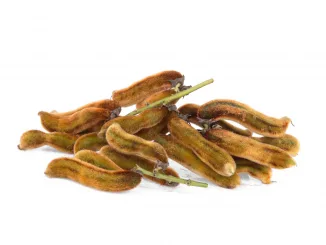
Mucuna seed extract comes from the seeds of Mucuna pruriens, a tropical legume long used in traditional Ayurvedic medicine. It’s best known as a natural […]
Collagen supplements have become one of the most popular products in the global wellness industry, marketed as a near-universal solution for ageing skin, joint pain, […]
Non-invasive administration of pharmaceuticals has become an increasingly important area of research and clinical practice, driven by the need to improve patient compliance, reduce complications, […]
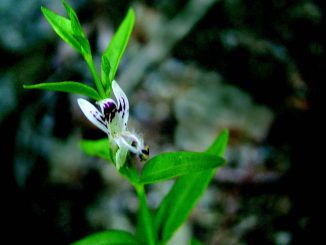
Andrographis paniculata (Burm. f.) Nees (Family: Acanthaceae) or ‘King of Bitters’ produces an extract which has immunostimulant activity and is widely found in Indian (Ayurvedic) […]
Vietnamese Bò Kho (Beef Stew) — Recipe for 2 Bò Kho is a rich, aromatic Vietnamese stew made with beef, carrots, lemongrass, and warm spices. […]
CPG partnerships in the food and biotechnology industries have become a defining feature of modern innovation, blending the scale and distribution power of consumer goods […]
Muromachi period Japan gave rise to a highly formalized culinary tradition known as honzen ryōri, a style of dining that reflects not only the aesthetics […]
Gỏi Hoa Chuối Tôm Thịt (Banana Flower Salad with Pork And Shrimp) is a traditional Vietnamese salad made with banana blossoms, shrimp, and pork. It’s […]
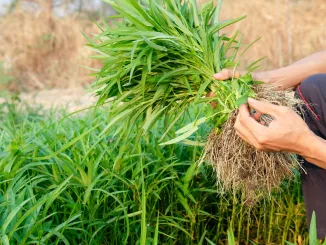
Water spinach, scientifically known as Ipomoea aquatica, is a semi-aquatic leafy vegetable that occupies a distinctive place in global agriculture and cuisine. Often referred to […]
Introducing a new ingredient into the U.S. market—particularly for food, dietary supplements, or pharmaceuticals—requires navigating a structured regulatory framework overseen primarily by the U.S. Food […]
Vietnamese black pepper crab is gloriously unapologetic—messy, aromatic, and deeply savoury with a peppery warmth that lingers rather than shouts. Known in Vietnam as cua […]
Vietnamese noodles are not merely a vehicle for sauces and broths; they are the very backbone of the country’s culinary soul—delicate, resilient, and endlessly adaptable. […]
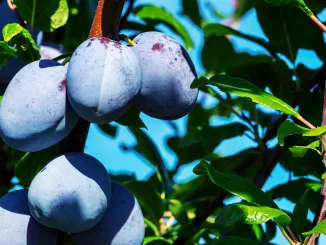
Proanthocyanidins, often referred to as condensed tannins, are a class of polyphenolic compounds widely distributed in the plant kingdom and especially abundant in certain fruits, […]
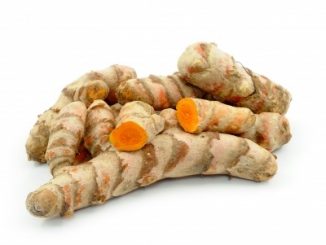
One of the vibrant colours of Indian cooking is partly due to the addition of turmeric, an ochre coloured spice obtained from its rhizomes. Turmeric […]
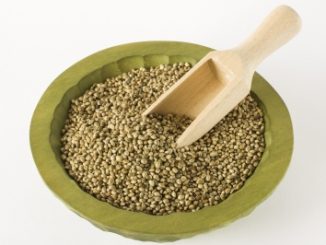
Pumpkin seeds have long been valued as sources of zinc and we continue to enjoy them in various food products like bars, breads, cakes, seed […]
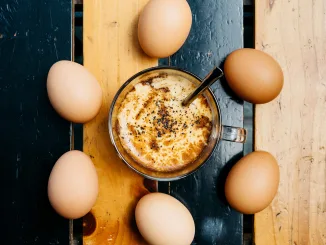
Vietnamese egg coffee—called cà phê trứng—is one of those inventions that sounds unusual but makes perfect sense once you understand its origin and chemistry. Origins: […]
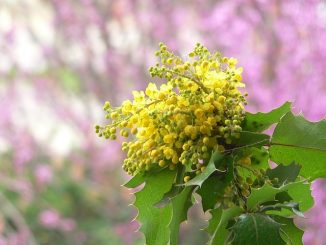
Berberine is proving to be an exciting compound for treating a range of conditions. It is a bioactive alkaloid which was historically reported for pharmacological […]
Biotechnology is increasingly being explored in battery production and battery recycling, mainly to make processes cleaner, cheaper, and less dependent on harsh chemicals or high-energy […]
Copyright © 2026 | WordPress Theme by MH Themes