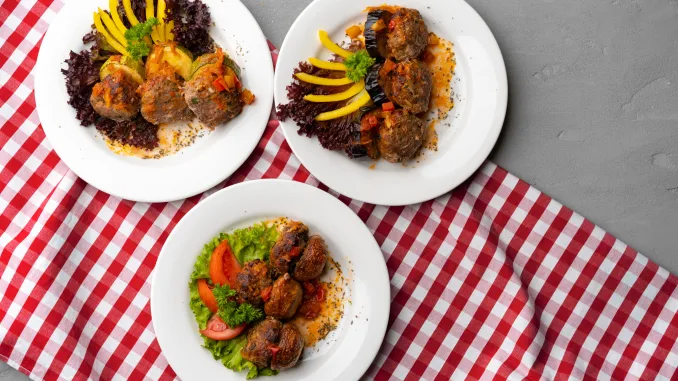
In classical and contemporary gastronomy, garnishes for meat dishes are not decorative afterthoughts. They are structured, intentional components that contribute to flavor architecture, textural contrast, visual balance, and regional identity. In haute cuisine—particularly within the French brigade system—a garnish (garniture) can define the dish as much as the protein itself.
Broadly, meat garnishes fall into the following categories:
-
Vegetable Garnishes
-
Starch-Based Garnishes
-
Herb and Fresh Element Garnishes
-
Sauce-Integrated Garnishes
-
Fruit Garnishes
-
Legume and Pulse Garnishes
-
Pickled and Acidic Garnishes
-
Fat-Based Garnishes
-
Cultural and Regional Garnish Systems
Below is a structured exploration of each type.
1. Vegetable Garnishes
Vegetable garnishes provide contrast, seasonality, and balance. Their selection is often dictated by:
-
Fat content of the meat
-
Cooking method (roasted, braised, grilled)
-
Season
-
Regional cuisine
Subcategories
a. Roasted Vegetables
Used with roast beef, lamb, pork, and poultry. High-heat roasting caramelizes sugars, adding Maillard complexity that complements roasted meats.
Examples:
-
Root vegetables (carrot, parsnip, turnip)
-
Shallots
-
Squash
b. Braised Vegetables
Ideal for slow-cooked meats. The shared cooking medium harmonizes flavours.
Examples:
-
Braised cabbage with pork
-
Red cabbage with duck
-
Fennel with lamb
c. Glazed (Glacé) Vegetables
Classic French technique: vegetables cooked with stock, butter, and sugar until shiny and tender. Traditionally served with tournedos, veal, or poultry.
d. Green Vegetables
Asparagus, green beans, peas, spinach — provide color contrast and freshness against darker meats. These would be the base for the famous Jardiniere which is also served with boiled potatoes
2. Starch-Based Garnishes
Starches absorb sauces and provide satiety. They are structurally essential in many cuisines.
a. Potatoes
The most globally paired starch with meat.
Forms:
-
Mashed (purée)
-
Duchesse
-
Fondant
-
Pommes Anna
-
Roasted
-
Fried
Potatoes are particularly effective with red meats due to their neutral flavor and ability to carry jus and reduction sauces.
b. Grains
-
Risotto with braised beef
-
Barley with lamb
-
Farro with pork
-
Pilaf with poultry
Grains add chew and nutty notes.
c. Pasta
Common in Italian gastronomy. Examples include:
-
Tagliatelle with ragù
-
Pappardelle with wild boar
d. Polenta
A traditional partner for slow-braised meats in northern Italy.
3. Herb and Fresh Element Garnishes
These garnishes cut richness and brighten flavor.
a. Chopped Herb Garnishes
-
Parsley
-
Chives
-
Tarragon
-
Dill
Used for freshness and visual appeal.
b. Herb Condiments
-
Chimichurri (Argentina)
-
Gremolata (Italy)
-
Salsa verde (Mediterranean)
These introduce acid, garlic, and herbaceous complexity.
c. Microgreens and Sprouts
Modern fine dining emphasizes textural delicacy and color contrast.
4. Sauce-Integrated Garnishes
In classical French cuisine, sauces function as both garnish and structural element.
a. Reduction Sauces
-
Red wine reduction
-
Madeira jus
These intensify meat flavors through concentration.
b. Cream-Based Sauces
-
Mushroom cream sauce
-
Mustard cream for pork
-
Peppercorn sauce
c. Brown Sauce Derivatives
Derived from espagnole or demi-glace. Examples include:
-
Bordelaise
-
Chasseur
-
Poivrade
Sauce choice signals culinary tradition and formality.
5. Fruit Garnishes
Fruit adds acidity, sweetness, and aromatic lift.
Classic Pairings
-
Duck with orange
-
Pork with apple
-
Turkey with cranberry
-
Lamb with pomegranate
Fruit garnishes often balance fatty meats through sugar-acid equilibrium.
Forms include:
-
Compotes
-
Chutneys
-
Gastriques
-
Fresh segments
-
Reductions
6. Legume and Pulse Garnishes
Legumes provide earthy depth and protein balance.
Examples:
-
Lentils with duck
-
White beans with pork
-
Chickpeas with lamb
-
Cassoulet-style bean garnishes
They are common in rustic and Mediterranean cuisines.
7. Pickled and Acidic Garnishes
Acidity counteracts richness.
Types
-
Pickled onions
-
Cornichons
-
Capers
-
Mustards
-
Fermented vegetables
These are essential with:
-
Fatty pork
-
Rich beef cuts
-
Charcuterie
Acid provides palate reset and prevents flavor fatigue.
8. Fat-Based Garnishes
Fat amplifies flavor through lipid-soluble aroma compounds.
Examples:
-
Compound butters
-
Bone marrow
-
Bacon lardons
-
Duck fat potatoes
Used strategically to enhance lean cuts or intensify indulgence.
9. Cultural and Regional Garnish Systems
Garnishes reflect culinary identity.
French Classical Garnitures
Named garnitures (e.g., “à la bourguignonne”) prescribe a defined combination of mushrooms, onions, bacon, and wine sauce.
Italian
-
Polenta
-
Gremolata
-
Fresh herbs
British
-
Mint sauce with lamb
-
Yorkshire pudding with roast beef
Middle Eastern
-
Yogurt sauces
-
Pickled vegetables
-
Flatbreads
Latin American
-
Chimichurri
-
Grilled vegetables
-
Beans and rice
East Asian
-
Pickled daikon
-
Fermented condiments
-
Scallions and sesame
Functional Roles of Garnishes
Across categories, the garnish performs a critical gastronomic function:
-
Textural Contrast – Crisp vs. tender
-
Flavor Balance – Fat vs. acid vs. sweet vs. bitter
-
Temperature Contrast – Hot meat, cool herb salad
-
Visual Composition – Height, color, plate balance
-
Cultural Signaling – Communicates cuisine and tradition
-
Economic Extension – Increases perceived abundance
Contemporary Trends
Modern gastronomy emphasizes:
-
Minimalist plating
-
Seasonal micro-garnishes
-
Fermentation and acidity
-
Edible flowers
-
Precision vegetable cuts
-
Reduction in heavy starches
Chefs now approach garnish selection through flavor pairing science and textural mapping rather than rigid classical doctrine.
Garnishes served with meats are fundamental structural elements of a composed dish. They are not mere decoration but strategic culinary components that:
-
Balance fat
-
Introduce acidity
-
Provide contrast
-
Enhance aroma
-
Reflect terroir and tradition
Whether a classical French garniture, a rustic bean accompaniment, a bright herb salad, or a precisely mounted sauce, the garnish completes the gastronomic equation.
In disciplined culinary practice, meat is only one part of the plate; the garnish determines whether the dish achieves harmony, contrast, or indulgent excess.
Leave a Reply