Portugal, a country renowned for its vibrant culture, stunning landscapes, and rich culinary heritage, boasts a long and proud tradition of cheesemaking. Although Portuguese cheeses are less internationally known than their French or Italian counterparts, they are no less diverse or delicious. From the lush pastures of the Serra da Estrela mountains to the sun-drenched Alentejo plains and the verdant islands of the Azores, Portugal offers an impressive array of artisanal and farmhouse cheeses, many of which have been produced for centuries using traditional techniques.
This essay explores the world of Portuguese cheeses: their origins, regional distinctions, types of milk used, production methods, and their role in Portuguese culture and cuisine.
I. Historical and Cultural Context
Cheesemaking in Portugal dates back to at least the Roman period, as archaeological evidence suggests dairy farming and cheese production were common in the Iberian Peninsula. Over the centuries, cheesemaking evolved differently in each region, influenced by geography, climate, livestock, and local customs. Sheep, goats, and cows each play a role in Portuguese cheese production, and some cheeses are made using a blend of their milks.
The importance of cheese in Portuguese culture cannot be overstated. It appears in everything from rustic countryside meals to gourmet restaurant menus. While cheese is not typically used in Portuguese cooking in the same way as in Italian cuisine, it is often served as a standalone item, accompanied by bread, wine, and olives—especially as part of an appetizer or merenda (light snack).
II. Key Regions and Iconic Cheeses
1. Serra da Estrela (Beira Interior)
At the heart of Portugal lies the Serra da Estrela mountain range, home to one of the country’s most iconic and beloved cheeses: Queijo Serra da Estrela. Made from raw sheep’s milk and coagulated with thistle flower (Cynara cardunculus), this cheese has Protected Designation of Origin (PDO) status and represents the pinnacle of Portuguese cheesemaking.
Serra da Estrela cheese is soft, creamy, and slightly tangy. In its younger form, it is spoonable and almost like a thick custard; when aged, it becomes firmer and more pungent. The use of thistle instead of animal rennet gives it a distinctive vegetal bitterness and makes it suitable for vegetarians.
2. Trás-os-Montes and Alto Douro
This northeastern region is known for its rugged terrain and harsh climate, ideal for producing hardy sheep and goats. Cheeses from this area include:
-
Queijo de Cabra Transmontano (PDO): A firm goat’s milk cheese with a pronounced flavour, often aged and with a natural rind.
-
Queijo Terrincho (PDO): Made from sheep’s milk, this semi-soft cheese has a yellowish rind, a nutty flavour, and can be eaten young or aged.
3. Alentejo
The Alentejo, Portugal’s breadbasket, is known for its vast plains, cork forests, and large sheep herds. The cheeses here are typically made from sheep’s milk and are characterized by a smooth, buttery texture.
-
Queijo de Nisa (PDO): Made from raw sheep’s milk and coagulated with thistle, this semi-hard cheese has a slightly acidic, herbaceous flavour.
-
Queijo Serpa (PDO): Another thistle-rennet cheese, Serpa is softer and often aged in cloth, which imparts a unique appearance and aroma.
-
Queijo de Évora (PDO): A small, hard cheese with a salty, slightly peppery taste, often aged for several months.
4. Ribatejo and Estremadura
Closer to Lisbon, the cheeses of Ribatejo and Estremadura include:
-
Queijo de Azeitão (PDO): A small, creamy sheep’s milk cheese with a washed rind and a rich, slightly sour flavour. It resembles a miniature version of Serra da Estrela and is also coagulated with thistle flower.
-
Queijo de São Jorge (PDO): Produced in the Azores, specifically on São Jorge Island, this cheese deserves special mention. It is a firm cow’s milk cheese with a bold, spicy flavour that intensifies with age.
5. The Azores
The lush, green islands of the Azores are ideal for dairy farming, and cow’s milk cheeses dominate here.
-
Queijo São Jorge (mentioned above): A standout product, aged up to 36 months.
-
Queijo Flamengo: A soft, processed cheese similar to Dutch Edam, widely consumed across Portugal and often used in sandwiches and pastries.
-
Queijo da Ilha (Island Cheese): A general term for various firm, cow’s milk cheeses from different Azorean islands, often with strong, tangy notes.
III. Types of Milk and Coagulation
Portuguese cheeses are made using milk from sheep, goats, cows, or a combination thereof. The type of milk used influences the flavour, texture, and aging potential of the cheese:
-
Sheep’s milk is the most traditional and widely used in central and southern Portugal. It provides a rich, fatty base and is ideal for soft, thistle-coagulated cheeses.
-
Goat’s milk is prevalent in the north and mountainous areas, often used to make tangy, firm cheeses.
-
Cow’s milk is common in the north and the Azores, where the cooler, wetter climate supports extensive dairy farming.
Another distinctive feature of Portuguese cheesemaking is the use of vegetable rennet—specifically from the thistle flower. This gives many cheeses a unique flavour profile, often described as slightly bitter or herbal, and it sets them apart from cheeses made with animal rennet.
IV. Production Techniques
Most traditional Portuguese cheeses are still made by hand using time-honored techniques passed down through generations. The process typically involves:
-
Milk Collection – Often from small herds raised on native pastures.
-
Coagulation – Using thistle flower or animal rennet to curdle the milk.
-
Molding and Pressing – The curds are shaped and sometimes wrapped in cloth or placed in molds.
-
Salting – Either dry-salted or brined, which enhances flavour and preservation.
-
Aging – Some cheeses are eaten fresh, while others are aged from a few weeks to over a year, depending on the desired consistency and flavour.
In recent years, there has been a renaissance in artisanal cheesemaking, with young producers innovating while respecting tradition. Many modern cheesemakers are experimenting with raw milk, natural rinds, and aging in wine cellars, further elevating the status of Portuguese cheese.
V. Cheese in Portuguese Cuisine
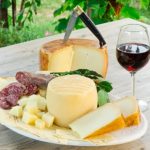
While Portuguese cuisine does not often incorporate cheese into cooked dishes (with exceptions like cheese-stuffed pastries or gratins), cheese is frequently enjoyed on its own or with accompaniments. A typical cheese board in Portugal might include:
-
A wedge of Serra da Estrela or Azeitão
-
Hard slices of São Jorge or Nisa
-
Rustic country bread (pão alentejano or broa)
-
Olives, cured meats, and fig or pumpkin jam
Cheese is also often served with port wine, especially strong cheeses like São Jorge or aged Terrincho. White or red wines from the same region as the cheese are also popular pairings.
VI. PDO and Protection of Heritage
Portugal has actively sought to preserve its cheesemaking traditions through the European Union’s Protected Designation of Origin (PDO) and Protected Geographical Indication (PGI) systems. These designations ensure that cheeses are produced in specific regions using traditional methods and local ingredients. Currently, more than a dozen Portuguese cheeses have PDO status.
This system not only preserves the authenticity of these cheeses but also supports rural economies by encouraging local production and tourism.
Portuguese cheeses represent a rich tapestry of regional identity, artisanal tradition, and culinary heritage. Though often overshadowed on the international stage, they offer a unique and rewarding experience for any cheese lover. Whether it is the luxurious creaminess of Serra da Estrela, the bold tang of São Jorge, or the rustic charm of Nisa and Serpa, each cheese tells a story about the land and the people who make it.
As global interest in artisanal and traditional foods continues to grow, Portuguese cheeses are poised to gain the recognition they so richly deserve. In every bite, they offer a glimpse into the heart of Portugal—a land of passion, tradition, and exceptional flavour.
Leave a Reply