Iran, historically known as Persia, is a country with an ancient culinary heritage shaped by millennia of agriculture, trade, and rich cultural exchange. While Iranian cuisine is globally admired for its saffron rice, stews, herbs, and spices, one of its more subtle yet deeply rooted components is cheese. Iranian cheeses—locally referred to as panir—have been produced for thousands of years, often using traditional methods that vary across regions. These cheeses, integral to daily life and ceremonial meals alike, reflect Iran’s unique geography, pastoral traditions, and reverence for simplicity and flavor.
Historical and Cultural Significance
The history of cheese-making in Iran dates back to ancient times, possibly even preceding the Achaemenid Empire (550–330 BCE). Nomadic and pastoralist tribes, such as the Bakhtiari and Qashqai, developed techniques to preserve milk from sheep and goats in the mountainous and arid regions where refrigeration was non-existent.
Cheese in Iran is not typically a centerpiece like it might be in France or Italy; instead, it serves as a staple side dish, particularly for breakfast or light meals. A typical Iranian breakfast might consist of panir, walnuts, herbs (sabzi khordan), flatbread (naan sangak or lavash), and tea. This simple yet nourishing meal reflects the Persian ideal of balance and moderation.
Traditional Cheese-Making in Iran
The majority of traditional Iranian cheeses are fresh or brined, made from sheep, goat, or cow’s milk, depending on the region and availability. The cheese-making process remains largely artisan and domestic, particularly in rural areas. Many families continue to produce cheese at home, using centuries-old methods handed down through generations.
The basic process involves curdling milk with rennet or an acid (like yogurt or vinegar), cutting the curd, pressing it, and aging it either in brine or in clay containers. Herbs, spices, or seeds such as black cumin may be added for flavor.
Key Varieties of Iranian Cheese
Despite a shared national palate for fresh, tangy, and salty flavors, Iran’s cheeses differ widely by region, climate, and cultural tradition. Some of the most notable include:
Panir-e Tabrizi (Tabriz Cheese)
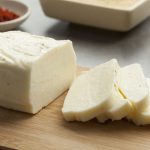
Originating from the northwestern city of Tabriz, this cheese is one of the most widely consumed and commercially produced in Iran. It is a semi-hard, salty white cheese, traditionally made from cow or sheep’s milk. It is aged in brine, giving it a crumbly yet creamy texture and a clean, tangy flavor.
Tabrizi cheese is commonly used for breakfast, cubed or crumbled onto bread and herbs, and is appreciated for its long shelf life and versatility.
Lighvan Cheese
Hailing from the village of Lighvan in East Azerbaijan Province, this cheese is often considered Iran’s most iconic artisan cheese. Made from raw sheep’s milk in traditional wooden or clay containers, it is aged in brine and allowed to ferment naturally. Lighvan cheese has a strong, pungent aroma and a crumbly, slightly elastic texture.
It is often compared to Greek feta but is generally firmer, saltier, and more intensely flavored. Lighvan cheese is prized for its depth of flavor and is a popular item in local bazaars and markets across the country.
Panir-e Kermanshahi (Kermanshah Cheese)
From the western province of Kermanshah, this cheese is made mostly by Kurdish communities using goat or sheep milk. It is traditionally pressed and aged, often with added salt and sometimes flavored with herbs. The region is also famous for its Kermanshahi butter, and the same rich milk contributes to the quality of this cheese.
Panir-e Kermanshahi is less common outside the region but remains a delicacy among locals who appreciate its sharp, earthy taste.
Panir-e Shirazi (Shiraz Cheese)
In southern Iran, Shiraz produces a variety of soft white cheese made from cow’s milk. This cheese is less salty than northern varieties and is often consumed fresh. It is delicate in flavor and frequently paired with herbs and vegetables.
Panir-e Khiki (Clay-Pot Cheese)
A more traditional and rarer style, this cheese is aged and stored in clay pots, a method that imparts a unique earthy aroma and microbial complexity. Typically made from sheep’s milk and aged underground or in cool, shaded areas, this cheese was once more common among nomadic groups but is now being revived by artisanal producers.
Modernization and Industrial Production
In recent decades, Iran has seen a growth in industrial cheese production, with companies offering mass-produced cheeses in uniform packaging and milder flavors suited to broader urban tastes. These include processed cheeses, cream cheeses, and even versions of European styles like Gouda and mozzarella, primarily for use in pizza and sandwiches.
However, the preference for traditional white cheeses remains strong, and efforts are being made to support small-scale dairy farms and promote protected origin labeling for artisanal varieties like Lighvan.
Cheese in Iranian Cuisine
Iranian cuisine does not traditionally incorporate cheese into cooked dishes, unlike Mediterranean or European cuisines. Instead, cheese serves more as an accompaniment. Common culinary pairings include:
-
Panir o sabzi: Cheese with fresh herbs, walnuts, and radishes, eaten with flatbread.
-
Naan panir gerdoo: Flatbread with cheese and walnuts, a popular lunch or snack.
-
Cheese and watermelon: A favorite summer dish that balances salt and sweetness.
-
Cheese and dates: Often served during Ramadan for energy and nourishment.
Such combinations illustrate the harmonious Persian aesthetic of pairing contrasting elements—soft with crunchy, sweet with salty, creamy with herbal.
Challenges and Preservation of Heritage
Iranian cheese-making, like many traditional crafts, faces challenges. Industrial production, urbanization, loss of pastureland, and changing consumer habits have threatened some of the more localized varieties. In addition, international sanctions and limited access to modern dairy technologies restrict growth opportunities for small producers.
However, interest in slow food, artisanal production, and culinary tourism is growing within Iran. Domestic food festivals, academic research, and television programs are helping raise awareness of the value and diversity of Iranian cheese culture.
Iran’s cheeses—though less internationally known than their European counterparts—represent a deep and enduring tradition of craftsmanship, regional identity, and culinary harmony. From the sharp tang of Lighvan cheese in the northwest to the soft delicacy of Shirazi cheese in the south, Iranian cheeses offer a spectrum of flavors and stories. As interest in preserving traditional foodways grows, these cheeses may yet find a larger place on the global culinary stage, inviting the world to taste a slice of Persian heritage.

Leave a Reply