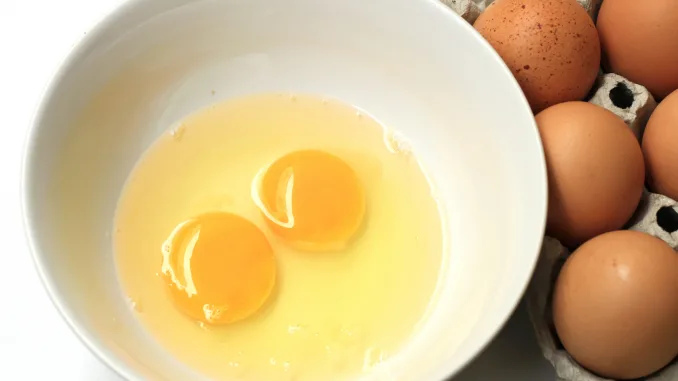
Egg yolk is used in sauces primarily as a natural emulsifier and thickening agent, and it also contributes to flavor, color, and mouthfeel. Its unique composition makes it invaluable in both traditional and modern sauce formulations.
Why Egg Yolk Is Used in Sauces
| Function | Explanation |
|---|---|
| Emulsification | Egg yolk contains lecithin, a powerful natural emulsifier that stabilizes oil-in-water mixtures like mayonnaise or hollandaise. |
| Thickening | When gently heated or blended, egg yolk proteins denature and coagulate, thickening the sauce. |
| Mouthfeel & Creaminess | Fat and protein in yolk give sauces a rich, velvety texture. |
| Color | Gives sauces a warm, yellow hue—a visual cue for richness. |
| Flavor | Adds subtle savory, fatty notes that enhance the overall taste. |
How Egg Yolk Works in Emulsions
-
Lecithin and phospholipids in yolk are amphiphilic: they bind both oil and water.
-
In a sauce like mayonnaise, yolk allows you to disperse fine droplets of oil into water, creating a stable emulsion.
-
A small amount of egg yolk (5–10%) can stabilize large amounts of oil (60–80%).
Key Sauce Examples Using Egg Yolk
| Sauce | Role of Egg Yolk | Cooking Notes |
|---|---|---|
| Mayonnaise | Cold emulsion base | Yolk stabilizes oil + vinegar/lemon juice |
| Hollandaise | Emulsion + gentle thickening | Yolk is gently heated with butter and acid |
| Béarnaise | Similar to hollandaise, with herbs | Yolk thickens and emulsifies clarified butter |
| Aioli | Traditional Mediterranean emulsion | Egg yolk (or sometimes none) binds olive oil + garlic |
| Custard sauces (e.g. crème anglaise) | Thickener when heated | Egg yolk proteins coagulate to thicken sweet milk base |
Best Practices When Using Egg Yolk in Sauces
-
Temperature control is key: yolks coagulate around 65–70°C (149–158°F).
-
Overheating causes curdling or scrambling.
-
Acids (like lemon or vinegar) help stabilize emulsions and reduce coagulation temperature.
Clean Label & Substitutes
For plant-based or allergen-free products, common clean label alternatives include:
-
Citrus fiber or oat fiber (thickening, emulsifying)
-
Aquafaba (chickpea water, for emulsions)
-
Mustard (natural emulsifier)
-
Pea or soy protein (emulsion stabilization)
The Applications of Enzyme-Modified Egg Yolk
Enzyme-Modified Egg Yolk (EMEY) is egg yolk that has been treated with specific enzymes (typically lipases, phospholipases, or proteases) to enhance its functional properties, especially for use in emulsified foods like sauces, dressings, and mayonnaise.
How It’s Made:
-
Fresh or dried egg yolk is mixed with water.
-
Specific enzymes are added to target the yolk’s components:
-
Phospholipases modify lecithin (phospholipids) to improve emulsifying power.
-
Lipases act on triglycerides to release free fatty acids.
-
Proteases can hydrolyze egg proteins, improving solubility or flavor.
-
-
The reaction is carefully controlled (time, temperature, pH).
-
The mixture is then pasteurized and spray-dried or used as-is.
Functional Improvements:
| Property | Benefit |
|---|---|
| Emulsifying ability | Stronger, more stable emulsions at lower yolk levels |
| Heat stability | Better resistance to breaking under thermal processing |
| Creaminess/mouthfeel | Enhanced texture in low-fat or reduced-egg applications |
| Flavor development | (if protease-treated) can enhance umami/savory notes |
Applications in Food Products:
-
Mayonnaise & dressings (more stable emulsions, reduced fat)
-
Sauces and spreads (enhanced mouthfeel and heat stability)
-
Bakery fillings or custards (better thermal resistance)
-
Processed cheese or soups (emulsifying and flavor roles)
Labeling Considerations:
-
May appear on ingredient lists as:
-
Enzyme-modified egg yolk
-
Modified egg yolk
-
Egg yolk (enzyme treated)
-
-
It’s still an egg-derived ingredient, so allergenic labeling is required.
Is It Clean Label?
-
Gray area: It’s not chemically modified, but some consumers may be wary of “enzyme-modified” terminology.
-
Enzymes are considered processing aids in many regions and may not require listing, depending on jurisdiction.
-
In clean label reformulations, producers may opt for natural emulsifiers like citrus fiber, mustard, or aquafaba instead.

Leave a Reply