Vacuum frying is an innovative technique that allows food to be fried at lower temperatures and pressures than traditional atmospheric frying. This method offers several advantages, including improved product quality, reduced oil absorption, and the preservation of natural colours and flavours. The exposure to oxygen is also reduced in this technology (Garayo & Moreira, 2002). It is particularly beneficial for heat-sensitive foods that might otherwise be compromised by the high temperatures of conventional frying (Da Silva & Moreira, 2008; Moreira, 2014). For further knowledge and wisdom on deep-fat frying seek out the 1999 review by Moreira et al..
Vacuum frying and conventional atmospheric frying differ primarily in the frying environment, which affects the frying temperature, oil absorption, product quality, and energy efficiency (Belkova et al., 2018).
1. Frying Environment
- Vacuum Frying:
- Takes place in a sealed chamber under reduced pressure (vacuum).
- The lower pressure reduces the boiling point of water (e.g., at 50–70 kPa, water boils around 50–70°C).
- This allows frying at significantly lower temperatures (80–120°C, 176–248°F) compared to atmospheric frying.
- Conventional Frying:
- Occurs at normal atmospheric pressure (1 atm).
- The boiling point of water is around 100°C (212°F), so frying typically requires higher temperatures (160–190°C, 320–375°F).
2. Oil Temperature
- Vacuum Frying:
- Uses lower oil temperatures, which minimizes thermal degradation of both the food and the oil (Shyu et al., 1998).
- This results in healthier products with reduced oil oxidation and fewer harmful compounds like acrylamide.
- Conventional Frying:
- Relies on higher oil temperatures to evaporate water from the food.
- Prolonged high temperatures can degrade oil quality and increase the formation of undesirable compounds.
3. Water Evaporation
- Vacuum Frying:
- Water in the food evaporates at a lower temperature due to reduced pressure.
- This gentle evaporation minimizes structural damage to the food, preserving its natural shape, colour, and texture.
- Conventional Frying:
- Water evaporates at higher temperatures, which can cause rapid boiling and puffing, producing a more porous structure and greater oil absorption.
4. Oil Absorption
- Vacuum Frying:
- Results in lower oil absorption because the lower frying temperature reduces the breakdown of the food’s surface, limiting oil uptake.
- The vacuum environment also reduces oil absorption during cooling.
- Conventional Frying:
- Often leads to higher oil absorption as the food’s surface becomes more porous and oil penetrates during cooling when atmospheric pressure is restored.
5. Product Quality
- Vacuum Frying:
- Retains natural colours, flavours, and nutrients due to the reduced frying temperature and minimized exposure to oxygen.
- Ideal for delicate products like fruits and vegetables, where colour and flavour preservation are critical.
- The levels of acrylamide are reduced considerably and is one of the main reasons for using this type of frying. Acrylamide naturally originates via Maillard reactions in starchy rich foods such as potato chips and crisps with low moisture content when heated above 120 °C. Occurs especially in foods containing asparagine and reducing sugars.
- Conventional Frying:
- May cause browning, flavour changes, and nutrient loss due to higher temperatures and oxidation.
- The intense frying environment can result in darker colours and stronger flavours.
6. Energy Efficiency
- Vacuum Frying:
- Energy consumption can be higher initially due to the need for vacuum pumps and additional cooling systems.
- However, lower frying temperatures may lead to energy savings in the long run.
- Conventional Frying:
- Requires less specialized equipment and is generally more energy-efficient for high-temperature frying.
7. Shelf Life
- Vacuum Frying:
- Produces snacks with lower oil content and better resistance to rancidity, extending shelf life.
- Products are less likely to become greasy or stale quickly.
- Conventional Frying:
- Higher oil content and greater thermal degradation can reduce the shelf life of the product, as oils degrade faster.
8. Applications
- Vacuum Frying:
- Commonly used for premium products like fruit and vegetable chips (e.g., apple, banana, sweet potato, and jackfruit chips).
- Also used for heat-sensitive products where maintaining original colour and flavour is important.
- Conventional Frying:
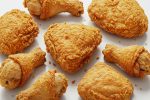
- Predominantly used for mass-market fried foods like French fries, potato chips, fried chicken, and other fast-food items.
9. Cost
Economics of Vacuum Frying vs. Conventional Frying
While vacuum frying offers superior product quality, it does come with higher initial investment costs compared to conventional frying methods. The specialized equipment required for vacuum frying is more expensive, which can be a barrier for small-scale producers. However, the long-term benefits, such as lower oil consumption due to extended oil life and the production of higher-value, health-conscious products, can offset the initial costs. Additionally, vacuum frying can result in energy savings, as the process operates efficiently at lower temperatures.
- Vacuum Frying:
- Higher initial equipment and operational costs due to the vacuum system and additional components.
- Long-term savings can result from extended oil life, reduced energy for oil heating, and higher product value.
- Conventional Frying:
- Lower equipment and operational costs, making it more accessible for large-scale and budget-conscious operations.
Key Advantages of Vacuum Frying
- Retains natural colour and flavour of food.
- Reduces oil absorption for healthier products.
- Minimizes nutrient loss and formation of harmful compounds.
- Extends the shelf life of fried products.
Key Advantages of Conventional Frying
- Faster frying times due to higher temperatures.
- Lower initial investment and simpler technology.
- Suitable for mass production of less heat-sensitive foods.
Examples of Vacuum-Fried Foods
Vacuum frying has been successfully applied to a variety of foods, especially fruits and vegetables. Notable examples include:
- Fruits: Apples, bananas, jackfruit, kiwifruit, and apricots have been vacuum-fried to produce crispy, flavourful snacks that retain much of their original colour and taste.
- Vegetables: Potatoes, sweet potatoes, carrots, mushrooms, and shallots are commonly vacuum-fried, resulting in products with reduced oil content and enhanced texture.
Industrial Vacuum Frying Systems
Industrial vacuum frying systems typically consist of three main components:
Vacuum Frying Chamber: A hermetically sealed vessel equipped with an oil heater and a frying basket. The product is placed in the basket and submerged in hot oil under reduced pressure.
- Description:
- The heart of the vacuum frying system is the sealed chamber where the frying takes place. It must be airtight to maintain low pressure.
- Food is loaded into perforated baskets inside the chamber, which are submerged in heated oil for frying.
- Key Features:
- Constructed from materials like stainless steel to withstand pressure changes and ensure food safety.
- Equipped with automated systems for basket loading and unloading in larger setups.
- Advanced Options:
- Integrated centrifugation systems to remove excess oil from fried products.
Oil Heating System
- Description:
- Provides consistent and precise heating of the frying oil to lower temperatures (80–120°C or 176–248°F).
- Key Features:
- Uses heat exchangers or immersion heaters to warm the oil.
- Temperature control systems to prevent overheating and ensure uniform frying.
- May include an oil filtration system to remove food particles and extend oil life.
Refrigerated Condenser: This component traps and condenses steam released during frying, maintaining the vacuum and preventing moisture from affecting the oil quality.
- Description:
- Traps and condenses steam generated during frying to maintain the vacuum and protect oil quality.
- Key Features:
- Uses refrigerated coils or cooling towers to condense water vapor into liquid form.
- Prevents steam from entering and degrading the frying oil.
- Benefits:
- Improves energy efficiency by recycling water and maintaining stable vacuum pressure.
Vacuum Pump: Essential for creating and maintaining the low-pressure environment necessary for vacuum frying.
- Description:
- Creates and maintains the vacuum environment by removing air and other gases from the chamber.
- Key Features:
- Typically a rotary vane, liquid ring, or dry screw pump.
- Includes pressure gauges and controllers to monitor and regulate the vacuum level.
- Considerations:
- The pump must handle moisture efficiently, as steam is released during frying.
- Requires maintenance to ensure consistent performance.
Centrifugal De-oiling System (Optional)
- Description:
- Removes excess oil from fried products immediately after frying, enhancing texture and reducing oil content.
- Key Features:
- Integrated or separate unit located within the vacuum chamber.
- Operates under vacuum to prevent re-absorption of oil.
- Advantages:
- Produces a crispier product with lower oil content.
- Reduces oil waste and enhances product appeal.
Some systems also include centrifugation capabilities within the frying chamber to remove excess oil from the finished product, enhancing texture and reducing oil content.
Cooling and Packaging Units
- Description:
- Fried products are cooled immediately after frying to stabilize texture and prepare them for packaging.
- Key Features:
- Cooling tunnels or conveyor systems with air or water cooling.
- Automated packaging systems for vacuum-sealed or nitrogen-flushed bags to extend shelf life.
- Considerations:
- Integration with the frying system ensures smooth production flow.
Suppliers of Industrial Vacuum Frying Equipment
Several companies specialize in manufacturing industrial vacuum frying equipment. Notable suppliers include:
- GD Process Design:
- Offers vacuum frying systems designed to produce high-quality snacks with reduced oil content. Their equipment emphasizes energy efficiency and product quality.
- Normit
- A European manufacturer that provides small- to medium-scale vacuum frying and drying equipment tailored for various production scales. Normit’s systems are designed to maintain natural product characteristics while ensuring efficient processing.
- NICHIMO
- Based in Japan, NICHIMO offers advanced vacuum frying systems for fruit and vegetable chips, known for their reliability and efficiency.
- Shandong Bayi Food Industry Equipment
- A Chinese supplier providing cost-effective vacuum frying systems for small- to large-scale operations.
- Heat and Control
- A global company offering high-quality vacuum frying systems with integrated oil filtration and centrifugation options.
- KD Food Equipment
- Provides modular vacuum frying systems for various capacities, focusing on ease of operation and maintenance.
- TNA Solutions
- Offers customizable vacuum frying systems as part of their snack production lines, suitable for high-capacity operations.
Key Considerations When Choosing Equipment
When selecting vacuum frying equipment, consider the following factors:
- Capacity Needs:
- Equipment is available in small batch systems for R&D and large-scale systems for commercial production.
- Type of Products:
- Ensure compatibility with the specific food products you intend to fry, such as fruits, vegetables, or snacks.
- Energy Efficiency:
- Look for systems with energy-saving features like heat recovery and efficient cooling.
- Ease of Cleaning and Maintenance:
- Systems should comply with hygiene standards and be easy to clean, especially in food processing.
- Automation Level:
- Choose systems with automation if consistent quality and reduced labor are priorities.
- Cost and ROI:
- While vacuum frying systems require higher initial investment, evaluate the long-term savings from reduced oil usage and premium product pricing.
When considering the adoption of vacuum frying technology, it’s essential to evaluate factors such as production capacity, product types, and specific processing requirements to select the most suitable equipment. Engaging with reputable suppliers can provide valuable insights into the best solutions for integrating vacuum frying into your operations.
In summary, vacuum frying presents a compelling alternative to conventional frying methods, offering the potential for healthier, higher-quality fried products. While the initial investment is higher, the long-term benefits, including reduced oil usage and the ability to meet consumer demand for healthier snacks, make it a worthwhile consideration for food manufacturers aiming to innovate and improve their product offerings.
References
Belkova, B., Hradecky, J., Hurkova, K., Forstova, V., Vaclavik, L., & Hajslova, J. (2018). Impact of vacuum frying on quality of potato crisps and frying oil. Food Chemistry, 241, pp. 51-59.
Da Silva, P. F., & Moreira, R. G. (2008). Vacuum frying of high-quality fruit and vegetable-based snacks. LWT-Food Science and Technology, 41(10), pp. 1758-1767.
Diamante, L. M., Shi, S., Hellmann, A., & Busch, J. (2015). Vacuum frying foods: products, process and optimization. International Food Research Journal, 22(1), pp. 15.
Garayo, J., & Moreira, R. (2002). Vacuum frying of potato chips. Journal of Food
Engineering, 55, pp. 181–191. .
Islam, M., Zhang, M., & Fan, D. (2019). Ultrasonically enhanced low-temperature microwave-assisted vacuum frying of edamame: Effects on dehydration kinetics and improved quality attributes. Drying Technology.
Moreira, R. G. (2014). Vacuum frying versus conventional frying–An overview. European Journal of Lipid Science and Technology, 116(6), pp. 723-734
Moreira, R., Castell-Perez, M. E., & Barrufet, M. A. (1999). Deep-fat frying: Fundamentals and applications. Gaithersburg, MD: Aspen Publishers Inc..
Pal, P., Rudra, S. G., Joshi, A., Bhardwaj, R., & Sagar, V. R. (2024). Vacuum frying: a promising technique to deliver nutritive snack foods. Brazilian Archives of Biology and Technology, 67, e24230477.
Patra, A., Prasath, V. A., Sutar, P. P., Pandian, N. K. S., & Pandiselvam, R. (2022). Evaluation of effect of vacuum frying on textural properties of food products. Food Research International, 162, 112074.
Shyu, S., Hau, L., & Hwang, L. (1998). Effect of vacuum frying on the oxidative stability of oils. Journal of the American Oils Chemical Society, 75(10), pp. 1393–1398 .
Sosa-Morales, M. E., Solares-Alvarado, A. P., Aguilera-Bocanegra, S. P., Muñoz-Roa, J. F., & Cardoso-Ugarte, G. A. (2022). Reviewing the effects of vacuum frying on frying medium and fried foods properties. International Journal of Food Science and Technology, 57(6), pp. 3278-3291
Leave a Reply