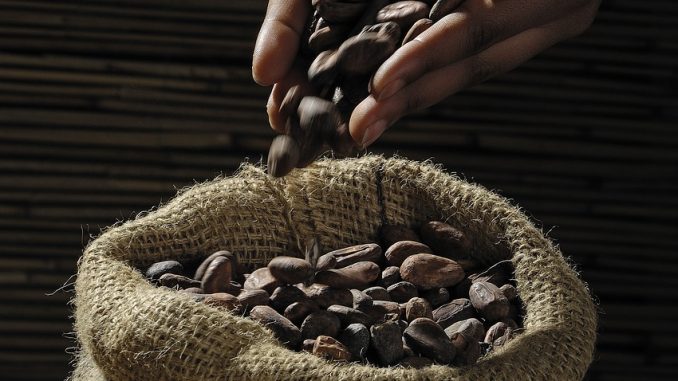
Chocolate has become noticeably more expensive in recent years, and this is not the result of a single factor but rather the convergence of agricultural, economic, environmental, and structural pressures across the global cocoa industry. At its core, chocolate is an agricultural product dependent on a fragile supply chain that begins with smallholder farmers, many of whom operate at the margins of profitability. When stress accumulates at multiple points in that chain, higher prices at the consumer level become almost inevitable.
The most fundamental driver of chocolate’s cost is cocoa itself. Cocoa trees grow only in a narrow equatorial band, with West Africa producing roughly two thirds of the world’s supply. This geographic concentration creates inherent vulnerability. Weather conditions in cocoa-growing regions have become increasingly unpredictable due to climate change, with extended droughts, unseasonal rainfall, and higher temperatures all reducing yields. Cocoa trees are particularly sensitive to these shifts; they require specific moisture and temperature ranges, and even small deviations can reduce pod production or quality. When harvests fall short, global supply tightens quickly, pushing prices upward.
Compounding climate stress is the prevalence of plant disease. Cocoa trees are susceptible to viruses and fungal infections such as cocoa swollen shoot virus and black pod disease. These diseases can devastate farms, sometimes forcing farmers to abandon entire plots for years. Efforts to replant with disease-resistant trees are slow and expensive, and cocoa trees take several years to mature before producing viable harvests. As a result, supply disruptions are not easily or quickly corrected, reinforcing long-term upward pressure on prices.
Labour dynamics also play a critical role. Cocoa farming is labor-intensive and historically underpaid. In many producing countries, younger generations are increasingly unwilling to work on cocoa farms due to low income prospects and physically demanding conditions. This leads to labor shortages or rising wage costs, both of which increase production expenses. At the same time, governments and international organizations are under growing pressure to address child labour and poor working conditions in the cocoa sector. While these reforms are ethically necessary, they raise costs in the short to medium term, especially when enforcement requires better pay, schooling, and oversight.
Economic policies in cocoa-producing countries further influence prices. In nations like Ghana and Côte d’Ivoire, governments regulate cocoa prices paid to farmers through marketing boards. These systems are designed to stabilize farmer income, but when global cocoa prices rise sharply, governments often increase guaranteed prices to prevent farmers from smuggling beans across borders or abandoning cocoa altogether. While this improves farmer livelihoods, it also raises the baseline cost of cocoa for buyers worldwide.
Beyond the farm, processing and manufacturing costs have risen significantly. Cocoa must be fermented, dried, transported, processed into cocoa butter and cocoa powder, and then manufactured into finished chocolate products. Each stage relies heavily on energy, packaging, and transportation. In recent years, energy prices have increased globally, particularly in Europe, where much of the world’s chocolate processing takes place. Higher electricity and fuel costs directly raise the price of grinding cocoa beans and running factories.
Transportation and logistics have also become more expensive and less reliable. Disruptions from the COVID-19 pandemic, followed by geopolitical tensions and shipping bottlenecks, have increased freight costs and extended delivery timelines. Cocoa is shipped across continents, often multiple times, before becoming a chocolate bar on a store shelf. Even modest increases in shipping costs can significantly affect final prices due to the volume and weight of cocoa shipments.
Inflation plays an additional role, both directly and indirectly. General inflation raises the cost of labor, rent, packaging materials, marketing, and retail operations. Even if cocoa prices were stable, chocolate would still become more expensive as manufacturers pass these broader cost increases along the value chain. In reality, inflation has coincided with cocoa supply shortages, amplifying the effect.
Market structure also contributes to higher prices. The chocolate industry is dominated by a relatively small number of large multinational companies. While these firms benefit from economies of scale, they also operate in a system that prioritizes shareholder returns and brand positioning. Premiumization has become a major trend, with companies emphasizing higher cocoa content, ethical sourcing, artisanal processes, and distinctive flavors. These features justify higher prices and gradually shift consumer expectations upward, even for mass-market products.
Speculation in commodity markets adds another layer of complexity. Cocoa is traded on futures markets, where prices are influenced not only by current supply and demand but also by expectations of future conditions. When traders anticipate poor harvests or continued instability, prices can rise sharply in advance, increasing costs for manufacturers even before physical shortages fully materialize. This financial volatility introduces uncertainty and risk premiums that ultimately flow through to consumers.
Consumer demand itself has not declined. Chocolate remains a globally popular indulgence, and demand has grown in emerging markets as incomes rise. At the same time, consumers in wealthier markets increasingly favor dark chocolate and specialty products that require higher cocoa content, further straining supply. When demand remains strong while production faces structural constraints, higher prices become the market’s balancing mechanism.
Finally, there is a moral and strategic reckoning underway in the chocolate industry. For decades, cocoa has been underpriced relative to the true cost of sustainable production. Farmers often earned too little to invest in their land, replant trees, or improve resilience to climate change. The current rise in prices can be seen, in part, as a delayed correction. If chocolate is to be produced ethically, sustainably, and reliably in the future, it must cost more than it did in an era of environmental degradation and exploited labor.
In sum, chocolate is expensive because it sits at the intersection of climate vulnerability, agricultural fragility, rising input costs, global inflation, and long-standing structural imbalances in how value is distributed along the supply chain. These forces reinforce one another rather than operating in isolation. Unless there are major technological breakthroughs in cocoa cultivation or a fundamental shift in global consumption patterns, chocolate is likely to remain a relatively costly pleasure, reflecting the real economic and environmental costs embedded in every bar.
Leave a Reply