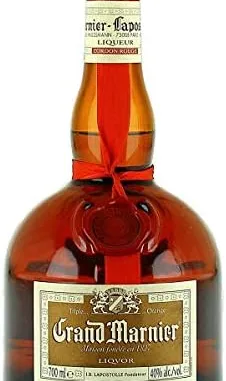
Grand Marnier is an iconic French liqueur, revered for its distinct orange flavor, luxurious mouthfeel, and versatility in both classic and contemporary cocktails. Its origin dates back to the late 19th century, and it has sustained its status as a symbol of refinement and innovation in the world of spirits through careful craftsmanship, brand positioning, and a distinctive balance of flavors that blend citrus, sugar, and cognac.
The creation of Grand Marnier is attributed to Alexandre Marnier-Lapostolle, who in 1880 developed the recipe that would later define the brand. Marnier-Lapostolle combined bitter orange essence from the Caribbean with fine French cognac, resulting in a liqueur that was neither too sweet nor too dry, but rather harmoniously balanced with layers of complexity. This blend of cognac and orange liqueur offered an alternative to the simpler curaçao or triple sec liqueurs of the time. The liqueur was named “Grand Marnier” to convey both the quality of the ingredients and the grandeur of the drinking experience. From its earliest days, Grand Marnier positioned itself as a premium product, marketed to consumers who desired refinement and sophistication in their spirits.
Grand Marnier distinguished itself not only through its recipe but also through its packaging. The distinctive bulbous bottle with a red wax seal conveys heritage and quality, while its iconic labels emphasize French elegance and craftsmanship. This design, combined with a consistent flavor profile, reinforced the liqueur’s identity in the luxury market. Over the decades, Grand Marnier expanded its range, introducing variations such as the Cordon Rouge, Cordon Jaune, and the rare Cuvée du Centenaire and Cuvée Louis-Alexandre, each demonstrating subtle differences in cognac base and aging to cater to different occasions and price points. The flagship Cordon Rouge, a blend of cognac and bitter orange essence, became synonymous with the brand, while Cuvée du Centenaire, created in 1876 to celebrate the centennial of Marnier-Lapostolle’s distillery, offers a more aged and refined experience with greater depth, complexity, and subtlety.
The flavor of Grand Marnier is central to its identity. It is characterized by a rich, velvety mouthfeel, pronounced but balanced bitter orange notes, and a subtle warmth from the cognac base. The taste is layered: initial citrus sweetness gives way to hints of vanilla, oak, and spice from the cognac, followed by a long, smooth finish. Unlike some orange liqueurs, which can be overly sweet or syrupy, Grand Marnier maintains a refined balance that makes it suitable for sipping neat, over ice, or in culinary applications. The harmony of flavors also allows it to pair well with a wide variety of ingredients, from fresh citrus and berries to rich chocolates and desserts.
In addition to its classic liqueur, Grand Marnier has inspired a spectrum of derivative products and variations, each maintaining the core identity while appealing to different consumer preferences. Cordon Jaune, for example, uses neutral spirits rather than cognac, resulting in a lighter, more neutral base suitable for mixing in cocktails where the orange flavor is desired without the depth of cognac. Limited-edition releases like Cuvée du Centenaire and Cuvée Louis-Alexandre highlight Grand Marnier’s heritage and craftsmanship, often aged in oak barrels to enhance the complexity, and are presented in collectible bottles, appealing to connoisseurs and collectors.
Grand Marnier’s role in mixology is extensive. Its nuanced flavor allows it to enhance a range of cocktails, both classic and modern. In traditional recipes, Grand Marnier is often used as a substitute for triple sec or curaçao, but it offers greater depth and elegance. The Margarita, for example, gains a more sophisticated dimension when Grand Marnier replaces standard triple sec, producing the Grand Margarita with richer notes of cognac and citrus. The Sidecar, a classic blend of cognac, lemon juice, and orange liqueur, is elevated when Grand Marnier is used, intensifying the cognac base while providing a smoother integration of orange notes. Similarly, the Grand Marnier Sour, combining the liqueur with fresh lemon juice and sugar, showcases the balance between sweetness, bitterness, and citrus that defines the brand.
Grand Marnier’s culinary versatility also contributed to its iconic status. Beyond cocktails, it is used in baking, sauces, and flambé dishes. The classic Crêpes Suzette, for instance, incorporates Grand Marnier in a buttery orange sauce, ignited tableside to produce a dramatic and aromatic presentation. Chocolate desserts, fruit tarts, and glazes often benefit from a splash of Grand Marnier, which adds sophistication and a hint of warmth that complements both sweet and bitter flavors. The liqueur’s ability to integrate into diverse culinary contexts without overpowering the base ingredients further cements its reputation as a refined and adaptable product.
Grand Marnier also benefited from strategic marketing and brand cultivation. The company consistently positioned the product as a luxury liqueur with heritage, crafting an image of French elegance that resonated with affluent consumers globally. Grand Marnier became associated not just with consumption but with lifestyle, elegance, and celebration. High-profile endorsements, placements in luxury hotels and restaurants, and association with classic French culinary traditions reinforced this positioning. The brand’s ability to maintain a premium image while remaining accessible for both cocktail enthusiasts and casual consumers is part of its enduring appeal.
Within the broader category of orange liqueurs, Grand Marnier distinguishes itself from other leading brands through its cognac base and flavor complexity. Competing brands such as Cointreau, a triple sec produced in France, emphasize high purity and a bright, crisp orange flavor. While Cointreau is generally more neutral and slightly more bitter than Grand Marnier, it lacks the cognac warmth that gives Grand Marnier its luxurious depth. Similarly, other orange liqueurs like Curacao and generic triple secs provide sweetness and citrus notes, but they often have simpler flavor profiles that make them suitable for mixing but less distinctive when consumed neat. Grand Marnier occupies a niche between sipping liqueur and cocktail ingredient, offering versatility that few competitors can match.
In terms of mixology trends, Grand Marnier has adapted to contemporary tastes by inspiring new cocktail recipes that merge classic sophistication with modern creativity. Bartenders use it in tiki-style drinks, sparkling cocktails, and even in spirit-forward concoctions that highlight its cognac undertones. The liqueur’s ability to complement spirits such as bourbon, rum, and tequila, as well as non-alcoholic mixers like citrus juices and syrups, has ensured its relevance in evolving cocktail culture. Signature cocktails such as the B-52, which layers coffee liqueur, Irish cream, and Grand Marnier, demonstrate how its flavor can serve as both a component and a centerpiece.
Grand Marnier’s international expansion further solidified its status as an iconic product. In the United States, it has become a symbol of celebration and sophistication, while in Europe, it enjoys both a heritage reputation and daily culinary use. Marketing strategies have emphasized its French origin, artisanal quality, and pairing potential with both beverages and dishes, which reinforces consumer perception of authenticity and luxury. Limited editions, vintage releases, and collaborations with chefs and mixologists have enhanced the brand’s aspirational qualities, appealing to both traditionalists and trend-conscious consumers.
The production of Grand Marnier also underscores the brand’s commitment to quality. The bitter orange essence is derived from select oranges grown in the Caribbean, particularly on the islands of Haiti, Guadeloupe, and Dominica, where the zest is carefully extracted and distilled. The cognac base is sourced from the Cognac region of France, following strict regulations and aging practices that contribute to its refined flavor. This dedication to ingredient quality and precise blending ensures that each bottle of Grand Marnier delivers a consistent and elevated tasting experience, reinforcing its position as a benchmark in the orange liqueur category.
Ultimately, Grand Marnier became iconic not merely because of its flavor but because it represents a synthesis of history, craftsmanship, versatility, and branding excellence. Its blend of bitter orange and cognac, refined yet accessible packaging, and cultural associations with French elegance have ensured its place in both cocktail bars and kitchens around the world. Competing brands like Cointreau, Combier, and Bols each offer distinct alternatives, but none replicate the signature richness and luxurious character that Grand Marnier embodies. Its adaptability, whether in classic cocktails like the Margarita and Sidecar, in flambéed desserts, or in modern mixology experiments, ensures its continued relevance and prestige.
Grand Marnier remains a benchmark for orange liqueurs, demonstrating how a combination of historical legacy, meticulous craftsmanship, flavor sophistication, and strategic marketing can elevate a single product into a global icon. It has become more than a liqueur; it is a symbol of elegance, creativity, and the art of refined enjoyment, inspiring both professional mixologists and home enthusiasts to explore the intersection of spirit, flavor, and culinary artistry. Through continued innovation, careful stewardship of its brand heritage, and a commitment to flavor excellence, Grand Marnier’s legacy is likely to endure as one of the most celebrated liqueurs in the world. Its story exemplifies the power of combining tradition with modern versatility, ensuring that each sip carries both history and contemporary relevance.
Purchase Grand Marnier Products Through This Link


Leave a Reply