Diet drinks, especially diet colas, are among the most widely consumed beverages in the world. Since their introduction in the mid-20th century, they have become a mainstay for consumers seeking the familiar taste of soda but without the calories of sugar. Whether in response to rising concerns about obesity, diabetes, or general health consciousness, diet colas represent not only a product of consumer demand but also a symbol of broader nutritional, social, and cultural changes.
This essay explores why we need diet drinks like diet colas. It examines their origins, the health motivations behind their consumption, their role in weight management and disease prevention, their psychological and social functions, and their relevance in a world struggling with lifestyle-related diseases. While diet sodas are not without controversy, their continued presence illustrates their importance as an alternative to sugar-sweetened beverages.
1. The Problem with Sugary Drinks
Before understanding why diet drinks are needed, it is necessary to consider the problems posed by traditional sugary sodas.
1.1 Caloric Load and Obesity
Regular colas are high in sugar, typically containing 30–40 grams per can. This equates to about 120–150 calories, almost all from simple carbohydrates. Because liquid calories are less satiating than solid food, people can consume them in large quantities without feeling full, leading to overconsumption. Over time, this contributes significantly to weight gain and the global obesity epidemic.
1.2 Diabetes and Metabolic Syndrome
Excessive intake of sugar-sweetened beverages is strongly linked to type 2 diabetes and metabolic syndrome. The rapid spike in blood glucose and insulin following soda consumption places stress on the body’s regulatory systems. Diet colas provide an option to avoid this metabolic burden.
1.3 Dental Health
High sugar content and acidity make regular sodas a major contributor to tooth decay and enamel erosion. While diet drinks remain acidic, the absence of sugar reduces the risk of cavities significantly.
2. The Emergence of Diet Colas
Diet sodas emerged in the 1950s when manufacturers sought alternatives for diabetic patients and calorie-conscious consumers. The introduction of artificial sweeteners such as saccharin, aspartame, sucralose, and acesulfame potassium enabled beverages with a sweet taste but negligible calories. Coca-Cola and PepsiCo capitalized on this trend with Diet Coke (1982) and Diet Pepsi (1964), respectively, which became staples for millions worldwide.
Most Important Diet Cola Brands
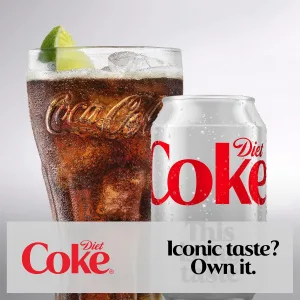
1. Diet Coke (Coca-Cola Light)
-
Overview: Introduced in 1982, Diet Coke quickly became the leading diet soda in the U.S., overtaking Coca-Cola’s earlier diet offering, Tab. Massive by all accounts in terms of penetration and global sales!
-
Significance: Iconic and enduring, this brand remains a cultural mainstay and top seller globally.
Usually available in cans (12 oz or 330ml) or recyclable PET bottles (16.9 oz.). To purchase just click on the link for the 24 can set.
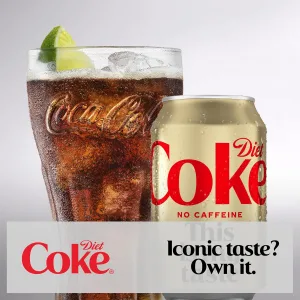
There is now a version of Diet Coke that has zero caffeine content. That’s significant because not many brands get shot of one of their leading ingredient! To purchase Diet Coke No Caffeine (8 * 330ml) 8 can set.
2. Coca-Cola Zero Sugar (Coke Zero)
-
Overview: Launched in 2005 and reformulated multiple times (2017, 2021), Coke Zero Sugar aims to emulate the taste of classic Coke with zero calories
-
Market Impact: It’s one of the fastest-growing diet sodas in terms of market share in the U.S., appealing to those desiring a more authentic cola flavour.
Usually available in cans (12 oz or 330ml) or recyclable PET bottles (16.9 oz.). To purchase just click on the link for the 24 can set.

3. Diet Pepsi
-
Overview: First nationally distributed in 1964 (initially branded as Patio), Diet Pepsi was the U.S.’s first diet cola
-
Market Position: Holds a significant share in the diet cola segment, especially in Pepsi’s strongest markets. Has a slightly sweeter flavour than coca-cola and Pepsi drinkers can tell the difference. I suspect it’s the stevia sweetener used!
Usually available in cans (12 oz or 330ml) or recyclable PET bottles (16.9 oz.). To purchase just click on the link for the 24 can set.
4. Pepsi Zero Sugar (Pepsi Max)
-
Overview: Known as Diet Pepsi Max at launch, rebranded later as Pepsi Max and, in the U.S., Pepsi Zero Sugar
-
Features: Marketed for bold flavor and higher caffeine (initially), it’s popular across Europe, Asia, and Australasia
5. Diet Dr Pepper
-
Overview: Offers the distinctive 23-flavor blend of regular Dr Pepper, with sugar-free formulations.
-
Appeal: Popular among loyal fans in specific U.S. regions and among those seeking something distinct from mainstream colas
6. Zevia
-
Overview: A relatively new, naturally sweetened (stevia, monk fruit, erythritol) zero-calorie soda launched in 2007
-
Growth: Quickly became a best-seller within natural-food channels, showing strong growth in North American health-oriented markets
Summary Table: Leading Diet Cola Brands
| Brand | Introduced | Key Appeal | Global Presence |
|---|---|---|---|
| Diet Coke | 1982 | Iconic, distinctive flavor | Very strong worldwide |
| Coca-Cola Zero Sugar | 2005 | Zero-calorie with original cola taste | Rapidly growing |
| Diet Pepsi | 1964 | First major diet cola in U.S. | Significant global presence |
| Pepsi Zero Sugar (Max) | 1993/2007 | Bold taste, zero sugar | Strong outside U.S. |
| Diet Dr Pepper | — | Unique flavor profile | Regionally iconic |
| Zevia | 2007 | Naturally sweetened, zero-calorie | Popular in health markets |
Why These Brands Matter
-
Historical Legacy: Brands like Diet Coke and Diet Pepsi shaped the diet soda category and remain benchmarks of success.
-
Flavor & Innovation: Coke Zero and Pepsi Zero Sugar target consumers wanting a sugar-free soda that tastes like the full-sugar version.
-
Market Diversification: Diet Dr Pepper and Zevia cater to niches—whether fans of unique flavors or health-conscious individuals avoiding artificial sweeteners.
-
Consumer Choice: A competitive range of diet cola options allows appeal across different preferences and regulatory landscapes.
3. Health Motivations for Diet Drinks
3.1 Weight Management
The most direct reason we need diet colas is for weight management. For people who enjoy the taste and ritual of soda, switching from regular cola to diet versions reduces caloric intake without requiring a complete change in habit. Research shows that even modest reductions in daily caloric intake can prevent gradual weight gain over years. For example, replacing one can of regular cola with diet cola saves about 140 calories per day, which equates to roughly 14 pounds of body fat per year if other factors remain constant.
3.2 Diabetes Prevention and Management
For individuals with diabetes, avoiding sugar intake is crucial for maintaining blood glucose control. Diet colas allow them to enjoy soft drinks without dangerously spiking blood sugar. For at-risk populations, they serve as a preventive measure against the development of insulin resistance.
3.3 Reducing Sugar Addiction
Many people struggle with sugar cravings. Diet colas can serve as a transitional tool, providing sweetness without the associated glucose surge. While they do not eliminate cravings altogether, they can ease the process of reducing sugar consumption.
4. Regulatory and Nutritional Perspectives
4.1 Calorie-Free Alternatives
Public health agencies worldwide recommend reducing added sugar intake. Diet drinks fit into these guidelines by offering calorie-free hydration with flavor. While water is the healthiest beverage, not everyone finds it appealing. Diet colas provide a practical alternative that aligns with nutritional goals.
4.2 Government and Industry Initiatives
In response to obesity crises, many governments have imposed taxes on sugary drinks. These measures incentivize consumers to switch to diet beverages. The beverage industry itself has promoted diet versions to meet demand for healthier options. Without diet sodas, consumers might feel deprived, reducing compliance with dietary guidelines.
5. Psychological and Social Dimensions
5.1 The Pleasure of Sweetness Without Guilt
Humans have an innate preference for sweetness, a trait rooted in evolution where sweet flavors signaled safe, calorie-dense foods. Diet colas satisfy this preference without the caloric burden, allowing consumers to indulge without guilt.
5.2 Identity and Lifestyle Choices
Choosing a diet drink is often tied to self-image and lifestyle. People use them as symbols of being health-conscious or “watching their figure.” In social settings where soda is expected, diet versions allow individuals to participate without compromising health goals.
5.3 Behavior and Habit Substitution
Habits, such as drinking a soda with lunch, are hard to break. Substituting a diet cola allows people to maintain routines while making healthier choices. Behavioral science suggests substitution is often more effective than outright elimination.
6. Controversies and Limitations
While diet colas provide clear benefits, they are not without debate. Critics raise several concerns:
-
Artificial Sweeteners: Some argue that artificial sweeteners may disrupt gut microbiota or appetite regulation. However, regulatory agencies such as the FDA, EFSA, and WHO have repeatedly confirmed their safety within established limits.
-
Psychological Compensation: A phenomenon where people consuming diet drinks may unconsciously eat more calories elsewhere, offsetting the benefits.
-
Incomplete Solution: Diet sodas address sugar but not other unhealthy aspects of soda culture, such as acidity, caffeine, and displacement of healthier beverages like water.
Despite these concerns, most evidence supports that diet sodas are substantially better than sugary sodas for metabolic and caloric health.
7. The Broader Role in Public Health
7.1 Combating Obesity Epidemics
Global obesity rates have tripled since 1975. Diet sodas are not a cure, but they are a practical step toward reducing caloric intake at a population level. By replacing sugar-sweetened beverages, diet colas can help curb weight gain trends.
7.2 Supporting Health Equity
In many regions, soda consumption is higher in lower-income populations, contributing to health disparities. Offering affordable diet sodas gives consumers healthier options without requiring radical lifestyle changes.
7.3 Stepping-Stone to Better Habits
While diet colas are not perfect, they can act as a stepping-stone toward healthier beverage choices. For someone heavily dependent on regular soda, switching to diet versions can eventually lead to greater acceptance of alternatives like flavored water or unsweetened tea.
We need diet drinks like diet colas because they address the real and urgent health challenges posed by excessive sugar consumption. By offering the sweetness and cultural familiarity of soda without the caloric and metabolic consequences, diet colas provide a viable compromise between indulgence and health. They play an important role in weight management, diabetes prevention, dental health, and adherence to dietary guidelines.
Although controversies remain, the balance of evidence suggests that diet sodas are significantly healthier than their sugar-sweetened counterparts. They fulfill psychological, social, and cultural needs while reducing health risks. In a world facing rising rates of obesity and lifestyle-related diseases, diet colas are not just a convenience—they are a necessity in the broader toolkit of public health strategies and individual self-care.


I have always enjoyed Pepsi diet cola. Has a slightly sweeter taste than Coke. My other favorite is Dr Pepper but I think they have messed around with the formula lately.