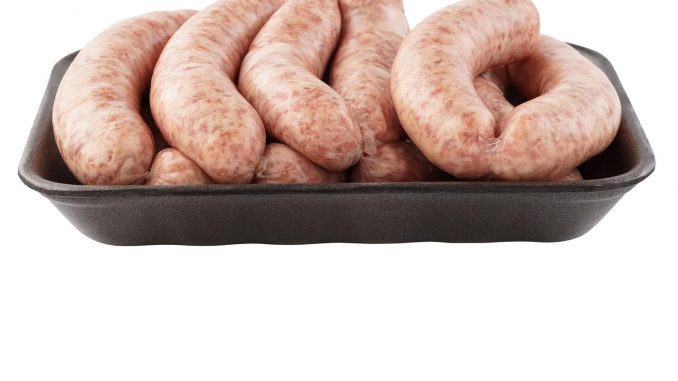
The Cumberland sausage is one of Britain’s most iconic regional foods, a product that represents both a distinct geographical identity and a centuries-old tradition of pork curing and spicing in the north of England. Known for its characteristic coil shape, coarse texture, and peppery seasoning, it stands apart from many other British sausages. Its history reflects patterns of trade, local agriculture, and evolving tastes, while its protected status today signals its enduring cultural value.
Geographical and Cultural Roots
The Cumberland sausage originates from Cumbria, a county in the far northwest of England, historically known as Cumberland before the 1974 reorganization of local government. The region’s agricultural base has long relied on hardy livestock breeds suited to its rugged, hilly landscape. Pigs were traditionally kept on smallholdings and fed on surplus farm produce, orchard windfalls, and household scraps — creating a ready supply of pork for local households.
The sausage’s very name ties it directly to its region of origin, and in many ways, it has become a culinary shorthand for Cumbrian identity. In local markets, fairs, and butcher shops, its presence is both a practical staple and a symbol of continuity with the past.
Early History
Although pork sausages have been produced in England for centuries, the specific Cumberland style appears to date back to at least the 17th or 18th century. Early mentions in trade records and cookery writings suggest a product that was already distinct in two ways: its coarsely chopped meat and its highly seasoned flavour.
The seasoning may have been influenced by the spice trade routes into the Cumbrian ports of Whitehaven and Maryport during the 18th century. Whitehaven, in particular, was a busy harbor importing pepper, nutmeg, mace, and other spices from the West Indies and Asia. Such access to exotic flavorings, unusual for a rural British region, could explain the sausage’s more assertive spicing compared to the relatively mild sausages of other counties.
Defining Characteristics
The Cumberland sausage is distinguished by three main features:
-
Coarse Cut Meat – Unlike most modern British sausages, which often use finely ground meat, the Cumberland uses coarsely chopped pork. This gives it a chunkier texture, with visible pieces of meat and fat, producing a more substantial bite.
-
Spicing – The traditional seasoning mix includes black and white pepper in generous quantities, along with salt. Some recipes include nutmeg, mace, or cayenne pepper, reflecting historic spice trade influences. The seasoning is bolder than that of many other English sausages.
-
Coiled Presentation – Instead of being divided into short links, the Cumberland sausage is typically made as a single continuous length of casing, then wound into a spiral or coil for display and cooking. Historically, coils could be several feet long, cut to length at the customer’s request.
From Home-Made to Commercial Production
For much of its history, the Cumberland sausage was made at home or by local butchers. The process was straightforward: pork shoulder and belly were chopped, mixed with seasoning and rusk (or bread to absorb juices), then stuffed into natural casings. Because refrigeration was unavailable, sausages were usually made in cool weather, consumed within days, or preserved by light smoking.
By the late 19th and early 20th centuries, small commercial producers began selling the sausage in urban markets outside Cumbria, though it remained strongly associated with its home county. Butchers often guarded their seasoning blends closely, and even today, no single “official” recipe defines the sausage — rather, it is recognized by style and character.
Changing Tastes and the Fight for Authenticity
Post–World War II Britain saw significant changes in food production. Mechanized meat processing and supermarket distribution led to mass-produced sausages with finer textures, more fillers, and milder flavors. The Cumberland sausage was not immune to these trends; by the late 20th century, many products labeled “Cumberland” bore little resemblance to the traditional version — often sold in short links, with finely minced meat and minimal seasoning.
This dilution sparked a local and national effort to protect the sausage’s identity. Cumbrian butchers and food advocates campaigned for recognition of the traditional recipe and presentation, arguing that without protection, the name risked becoming meaningless.
Protected Geographical Indication (PGI) Status
In 2011, the European Union granted Protected Geographical Indication (PGI) status to “Traditional Cumberland Sausage.” Under these rules, only sausages made in Cumbria that met specific criteria — including a coarse cut of meat (minimum 20% fat), a strong seasoning, and a continuous coil at least 20 mm in diameter — could be sold under that name.
The PGI status was a milestone for local producers, as it preserved the heritage product against mass-market imitations. However, it also sparked debate: some argued that recipes and styles vary within Cumbria itself, so no single specification could truly define the tradition.
Culinary Uses
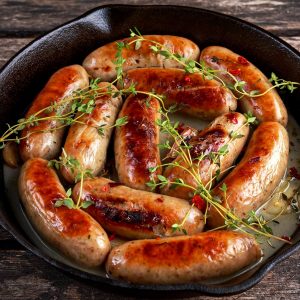
The Cumberland sausage is most often pan-fried, grilled, or baked as a whole coil, sometimes skewered to keep its shape. It is commonly served with mashed potatoes and onion gravy — the archetypal “bangers and mash” — but it also appears in casseroles, toad-in-the-hole, and breakfast platters.
Because of its coarser texture and spicing, it holds up well in slow-cooked dishes. Its robustness makes it suitable for hearty winter meals, often paired with root vegetables and ale-based gravies.
The typical ingredient list for a Cumberland sausage is:
Symbol of Regional Identity
For many Cumbrians, the sausage is more than food: it’s a marker of home. Local festivals and food fairs often feature sausage-making demonstrations, and many small towns host competitions for the best Cumberland sausage, judged on seasoning balance, texture, and authenticity.
In this way, the sausage functions like other regional specialty foods — Parma ham in Italy, Andouille in France — as a point of pride and an expression of place.
Contemporary Challenges and Adaptations
Today’s Cumberland sausage exists in both artisanal and industrial forms. Small Cumbrian butchers still produce it according to traditional methods, but supermarkets across the UK sell “Cumberland-style” sausages that may not meet PGI standards, sometimes omitting the coil or using finer ground meat.
There’s also been experimentation with flavors and dietary adaptations. Some producers make versions with added herbs, cider, or even vegetarian alternatives — evidence of the sausage’s adaptability while retaining its core identity.
However, purists often stress that the essential qualities — coarse cut, peppery punch, and Cumbrian origin — must be preserved for it to remain a true Cumberland sausage.
The Cumberland sausage stands as a testament to the enduring power of regional food traditions in shaping identity and taste. Its survival in recognizably authentic form, despite centuries of change in agriculture, trade, and food production, owes much to the pride of Cumbrian butchers and the distinctiveness of its style.
From its likely origins in the spice-infused ports of the 18th century to its modern PGI-protected form, it embodies both historical circumstance and the stubborn persistence of local culinary character. Whether enjoyed at a farmhouse table in Cumbria or served in a London gastropub, the Cumberland sausage carries with it the story of a region and its people — coiled, peppered, and proudly uncompromising.
[Please note we are an affiliate marketing partner and will make a sales commission if you purchase any items through our affiliate links. Please read our affiliate disclosure]
Leave a Reply