Caraway seed and caraway oil occupy a distinctive position at the intersection of traditional cookery, ethnobotany, and functional nutrition. Valued for centuries across Europe, the Middle East, and parts of Asia, caraway (Carum carvi) contributes both a highly recognizable flavour and a range of physiologically active compounds. From a culinary and health perspective, the seed and its expressed essential oil are related but not interchangeable ingredients; each has specific applications, intensities, and implications for digestion, metabolism, and overall wellness.
Botanical and Chemical Overview
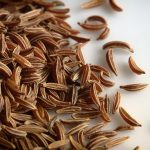
Caraway is a biennial plant in the Apiaceae family, closely related to cumin, fennel, dill, and anise. The “seed” used in cooking is technically a dried fruit (schizocarp), containing aromatic oils concentrated in oil ducts within the seed coat.
Caraway seeds typically contain 3–7% essential oil by weight. The primary volatile compounds are carvone (50–65%) and limonene (20–30%), with smaller contributions from carveol, dihydrocarvone, and pinene. These compounds are responsible for caraway’s characteristic aroma—warm, slightly sweet, peppery, and faintly anise-like, yet earthier and sharper than fennel or anise.
Caraway oil is produced by steam distillation of the seeds and represents a highly concentrated form of these compounds. One drop of caraway oil can correspond to the flavour intensity of a teaspoon or more of ground seeds.
Culinary Perspective: Caraway Seed
Flavour Profile and Function
Culinarily, caraway seed is prized for its ability to cut richness, enhance savory depth, and aid digestibility in heavy or fatty foods. Its flavour is assertive but not overpowering when used judiciously, making it a staple in cuisines that emphasize fermented, baked, or slow-cooked dishes.
Traditional Culinary Uses
Caraway seeds are strongly associated with:
-
Central and Eastern European cuisine (German, Austrian, Hungarian, Czech, Polish)
-
Scandinavian cooking
-
Ashkenazi Jewish food traditions
-
Middle Eastern and North African spice blends
Common applications include:
-
Rye bread, soda bread, and dark grain loaves
-
Sauerkraut, fermented cabbage, and pickles
-
Pork dishes, sausages, and cured meats
-
Potato dishes, stews, and root vegetables
-
Cheese (notably Havarti, Tilsit, and certain Dutch cheeses)
-
Liqueurs such as aquavit and kümmel
In baking, caraway pairs particularly well with rye because both share earthy, slightly bitter notes that reinforce one another. In savory cooking, it complements cabbage, onions, lamb, pork, and duck by balancing fat and sulfurous flavours.
Culinary Technique
Caraway seeds may be used whole or ground:
-
Whole seeds provide bursts of aroma and are ideal for breads, pickles, and long cooking.
-
Toasted seeds deepen flavour and reduce sharpness.
-
Ground seeds distribute flavour evenly but lose aromatic intensity more quickly.
Fat is an effective carrier for caraway’s volatile oils; blooming the seeds gently in butter or oil enhances aroma and flavour release.
Culinary Perspective: Caraway Oil
Caraway essential oil is rarely used directly in home cooking due to its potency but plays a role in:
-
flavouring commercial baked goods and confections
-
Aromatizing spirits (aquavit, kümmel)
-
Controlled use in professional kitchens and food manufacturing
When used in food, caraway oil must be food-grade and carefully diluted. It delivers a cleaner, more focused flavour than seeds, lacking the fibrous and slightly bitter notes of the whole spice. Because of its concentration, culinary use is typically measured in drops, not teaspoons.
In gastronomy, caraway oil is sometimes used in emulsions, sauces, or aromatic accents where precision and clarity of flavour are desired.
Health Perspective: Digestive Benefits
Caraway has a long history in traditional medicine as a carminative, meaning it helps relieve gas, bloating, and intestinal discomfort. This effect is supported by modern research attributing the action primarily to carvone and limonene.
Digestive Actions
-
Stimulates gastric and bile secretion
-
Relaxes smooth muscle in the gastrointestinal tract
-
Reduces fermentation-related gas formation
-
Supports appetite and digestion after heavy meals
Caraway seed is commonly used in herbal teas, digestive bitters, and combination remedies with fennel, anise, or chamomile. In many European cultures, caraway tea is given to infants and nursing mothers to ease colic (in appropriate, very mild preparations).
Metabolic and Antimicrobial Properties
Antimicrobial Activity
Caraway oil exhibits antibacterial and antifungal properties in laboratory studies. These effects have implications for:
-
Food preservation and shelf-life extension
-
Oral health products
-
Traditional remedies for mild infections
The antimicrobial action is attributed mainly to carvone, which disrupts microbial cell membranes.
Metabolic and Glycemic Effects
Emerging research suggests caraway may support metabolic health by:
-
Improving insulin sensitivity
-
Modulating lipid metabolism
-
Supporting weight management when combined with dietary changes
While promising, these effects are modest and should be viewed as supportive, not therapeutic.
Anti-Inflammatory and Antioxidant Effects
Caraway seeds contain phenolic compounds and flavonoids that contribute antioxidant activity. These compounds help neutralize free radicals and may support:
-
Reduced oxidative stress
-
Cardiovascular health
-
Cellular protection over time
Caraway oil also demonstrates anti-inflammatory effects in vitro and in animal models, although human clinical evidence remains limited.
Safety and Usage Considerations
Caraway Seed
-
Safe for regular culinary use
-
Generally well tolerated
-
Rare allergic reactions may occur in individuals sensitive to Apiaceae plants
Caraway Oil
-
Highly concentrated and must be used with care
-
Not suitable for direct consumption in undiluted form
-
Should only be ingested under professional guidance
-
May cause irritation if misused or overdosed
Pregnant or breastfeeding individuals should avoid medicinal doses of caraway oil unless advised by a healthcare professional.
Nutritional Contribution
Caraway seeds contribute small but meaningful amounts of:
-
Dietary fiber
-
Iron
-
Calcium
-
Magnesium
-
Plant-based antioxidants
Although typically used in small quantities, their cumulative effect supports digestive and micronutrient intake.
Culinary–Health Synergy
One of caraway’s most compelling qualities is how culinary tradition aligns with physiological benefit. Its frequent pairing with fatty meats, fermented foods, and dense breads is not incidental; caraway improves digestibility, reduces post-meal discomfort, and enhances flavour complexity simultaneously. This synergy exemplifies how traditional cuisines often integrate functional nutrition intuitively.
Caraway seed and caraway oil represent two expressions of the same plant with distinct culinary and health applications. The seed is a versatile, robust spice that enhances savory cooking while supporting digestion and metabolic comfort. The oil, by contrast, is a potent extract suited to controlled culinary, aromatic, and therapeutic contexts.
From rye bread and sauerkraut to digestive teas and aromatized spirits, caraway continues to demonstrate why it has endured across centuries of culinary practice and traditional medicine. Its enduring relevance lies not in novelty, but in its proven ability to unite flavour, function, and well-being in a single, unassuming spice.
Leave a Reply