Attenuation in Genetic Control of Gene Transcription
Attenuation is a regulatory mechanism in prokaryotes that controls gene expression at the level of transcription elongation, rather than initiation (Fincham, 1983). It is a […]
Copy number in genetics refers to the number of copies of a particular DNA sequence—most commonly a gene or genomic region—present in a cell’s genome. […]
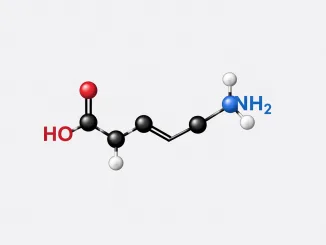
5-Aminolevulinic acid (5-ALA, often abbreviated simply as ALA) occupies a distinctive position at the intersection of fundamental biochemistry and applied biotechnology. It is a small, […]
Proteins are the primary functional molecules of the cell, carrying out structural, catalytic, regulatory, and signaling roles. While the amino acid sequence encoded by DNA […]
Lean manufacturing can be highly effective in biotechnology, but it must be adapted to the unique constraints of biological systems, strict regulatory oversight, and complex […]
Global transcriptional regulators are high-level regulatory proteins (usually transcription factors) that control the expression of large sets of genes across multiple pathways. Instead of regulating […]
Chromatography is one of the most important analytical and preparative techniques in chemistry, biotechnology, and materials science. Traditionally, chromatographic separations rely on packed beds of […]
The glutamine synthetase (GS) expression system is one of the most widely used and industrially proven platforms for the development of Chinese hamster ovary (CHO) […]
Cancer has long been understood as a disease of dysregulated cell growth, survival, and proliferation. While multiple paradigms exist to explain the complex processes that […]
The manufacture and purification of lactoferrin (LF), a multifunctional iron-binding glycoprotein primarily found in milk, involves several carefully controlled steps to ensure purity, bioactivity, and […]
Bacillus clausii is a Gram-positive, rod-shaped, spore-forming bacterium widely recognized for its probiotic properties. Originally isolated from soil, it has gained significant attention in clinical, […]
Combinatorial gene control refers to the regulation of gene expression by the coordinated action of multiple gene regulatory proteins, such as transcription factors and co-regulators, […]
Deep learning is a subset of machine learning that uses neural networks with multiple layers i.e. deep neural networks, to learn complex patterns from large […]
Nanobubbles offer tremendous variety, novelty and functional benefits in the delivery of nutraceuticals. They are already showing promise with drug delivery especially in the pharmaceutical […]
Spider silk proteins are truly fascinating, and they represent a cutting-edge development in biomaterials and sustainability. Here’s everything you need to know about them: What […]
Gene duplication is a significant evolutionary event where a segment of DNA, including one or more genes, is copied and inserted into the genome. This […]
What Counts as a Medical Device A medical device is broadly defined as any instrument, apparatus, implant, software, material, or other article intended by the […]
Baculoviruses, a family of large DNA viruses primarily infecting insects, have emerged as valuable tools in biotechnology with diverse applications. Among these, the Autographa californica […]
Digital twins in biotechnology refer to virtual replicas or models of biological entities, systems, or processes that are created using digital technologies. They are a […]
Plasmids are one of the most important factors in the success of biotechnology. The word plasmid was introduced by Joshua Lederberg in 1952 as the […]
Copyright © 2026 | WordPress Theme by MH Themes