
The Zinc Finger
A zinc finger is a small, independently folded protein structural motif that stabilizes its shape by coordinating one or more zinc ions (Zn²⁺). Zinc fingers […]
A zinc finger is a small, independently folded protein structural motif that stabilizes its shape by coordinating one or more zinc ions (Zn²⁺). Zinc fingers […]
Protein secretion in Escherichia coli is a fundamental cellular process that enables proteins to reach their correct cellular or extracellular destinations. As a Gram-negative bacterium, […]
Attenuation is a regulatory mechanism in prokaryotes that controls gene expression at the level of transcription elongation, rather than initiation (Fincham, 1983). It is a […]
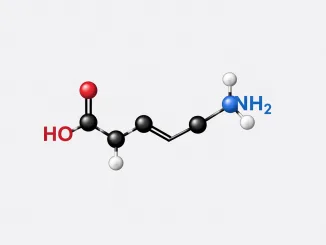
5-Aminolevulinic acid (5-ALA, often abbreviated simply as ALA) occupies a distinctive position at the intersection of fundamental biochemistry and applied biotechnology. It is a small, […]

Cancer has long been understood as a disease of dysregulated cell growth, survival, and proliferation. While multiple paradigms exist to explain the complex processes that […]
A secretagogue receptor is a receptor that binds to a secretagogue—a substance that stimulates the secretion of another substance (often a hormone, enzyme, or other […]
Human β-defensins are a prominent family of small, cationic peptides that play a central role in innate immunity, particularly at epithelial surfaces. They are part […]
The proteasome is a crucial protein complex in cells that breaks down and recycles damaged or unneeded proteins. It’s a core part of the ubiquitin-proteasome […]
Protein disulphide isomerase (PDI) plays a crucial role in post-translational modification (PTMs) of proteins, particularly those involving disulphide bonds. Disulphide bonds are covalent bonds formed […]
Copyright © 2026 | WordPress Theme by MH Themes